
Easy Homemade Tahini Recipe | How to Make Tahini Paste
This post may contain affiliate links.
Add a deliciously nutty (but naturally nut-free!) pop of flavor to countless dishes with this easy Homemade Tahini recipe, a creamy sesame seed paste made in minutes. Here I show how to make 3 different varieties of this fantastically versatile seed paste, all using just one simple ingredient: sesame seeds!
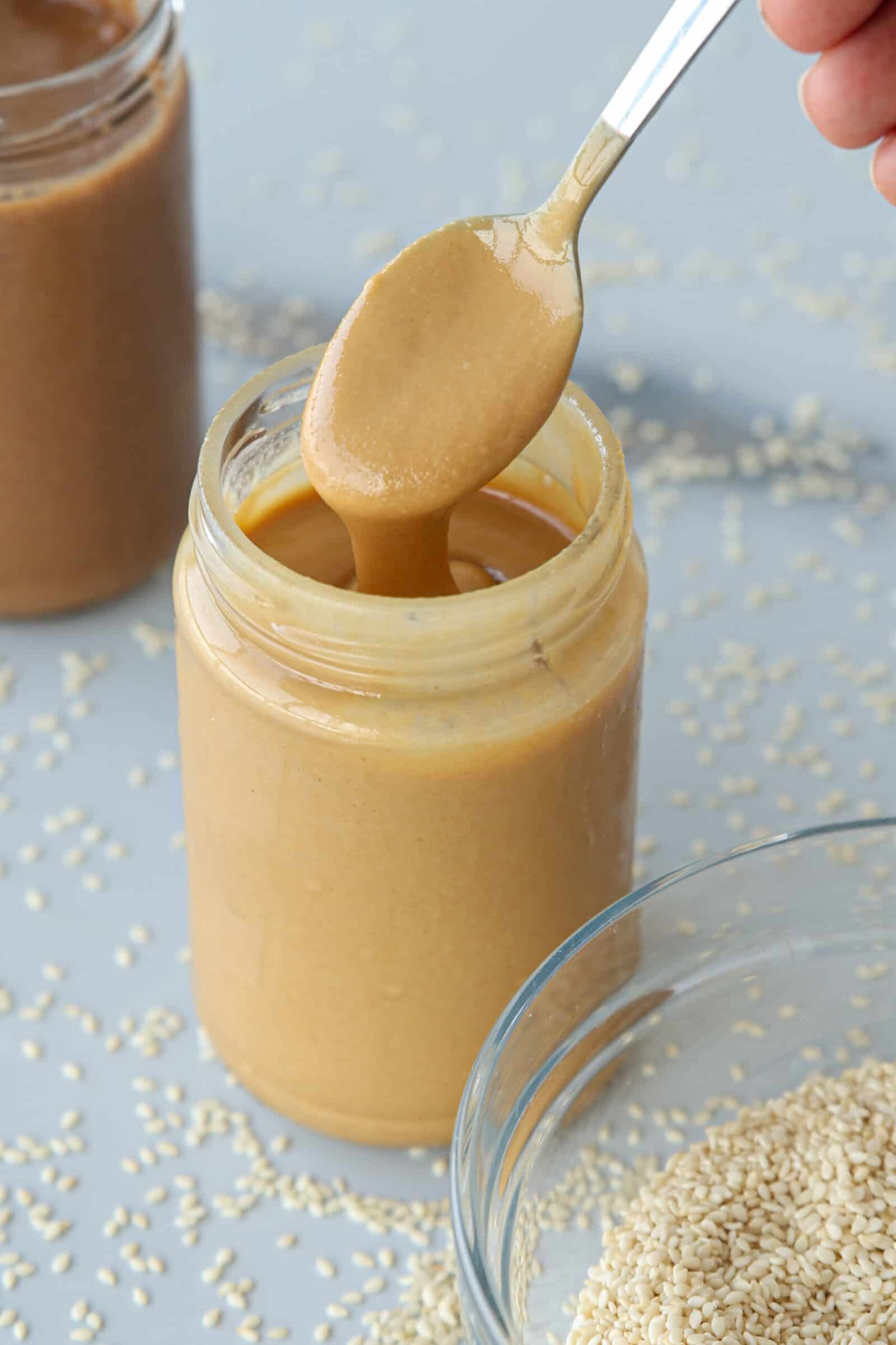
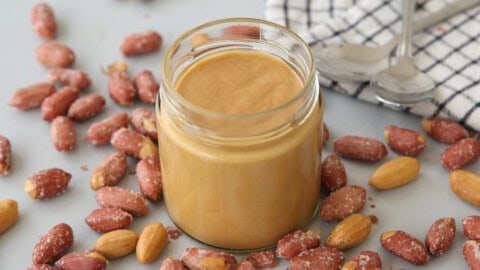
After growing up in Israel where it is a staple ingredient in every kitchen, I have prepared homemade tahini hundreds or of times. Consider it the Middle Eastern version of homemade peanut butter, it’s just as ubiquitous and can be used in both sweet and savory applications.
From baba ganoush to buddha bowls, tahini cookies to tahini coffee, this creamy sesame seed paste (or raw tahini) is among the most all-purpose kitchen heroes I can think of. With endless ways to put this yummy, drizzleable condiment to use, learning how to make it from scratch is a skill any Cooking Foodie should learn!
Not only is homemade tahini more budget-friendly than store-bought, it’s also far more customizable. Below is a deep-dive into this beloved ingredient. You’ll learn the difference between tahini made with hulled and unhulled sesame seeds, the many different types of sesame seeds you can use, plus tips and tricks, serving suggestions, and storage smarts.
Tahini Paste Ingredients
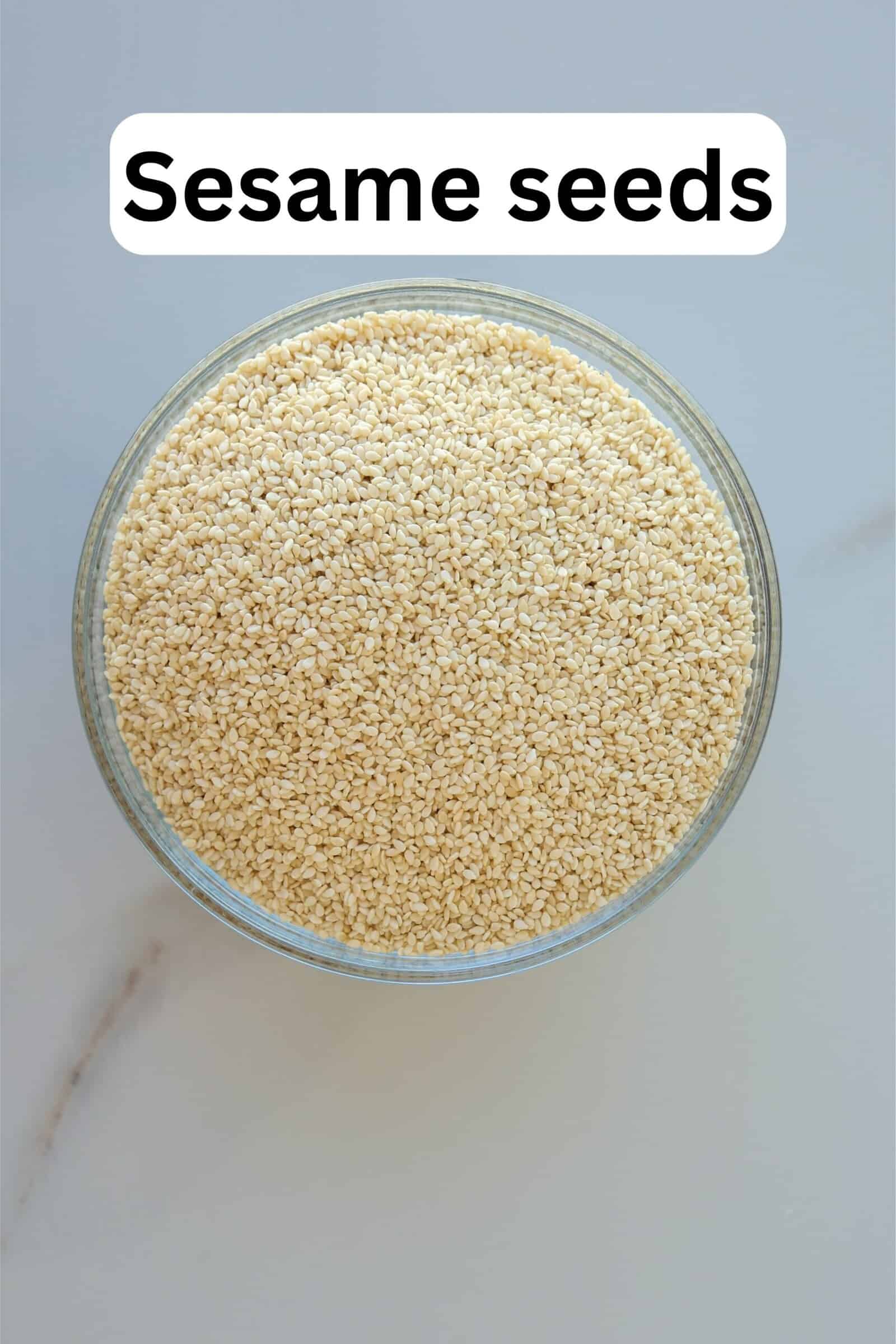
- Sesame Seeds – Traditionally, authentic tahini is made with just one ingredient: sesame seeds. That said, there’s a lot of nuance to explore. Hop down a section for more information.
- Oil (Optional) – If your blender is powerful enough, I recommend you go oil-free for the purest flavor. But if the mixture feels too dense and thick after 10 minutes of blending, it’s perfectly fine to add a few tablespoons of oil to help it blend smoothly. I recommend using neutral oil (like canola or avocado oil), or regular or toasted sesame oil for the least intrusive taste.
This is just a short review of the ingredients; for the complete recipe, including quantities, scroll down to the recipe card 👇
Choosing the Right Sesame Seeds for Tahini
Tahini has been around for thousands of years. The word tahini comes from the Arabic t’hina, whose root word is tahan, meaning “to grind.” This is a nod to how sesame seeds were traditionally ground slowly between millstones to create a smooth, pourable paste.
Because tahini is made from just one main ingredient, the type of sesame seeds you use has a major impact on the flavor, aroma, color, and texture of your final result.
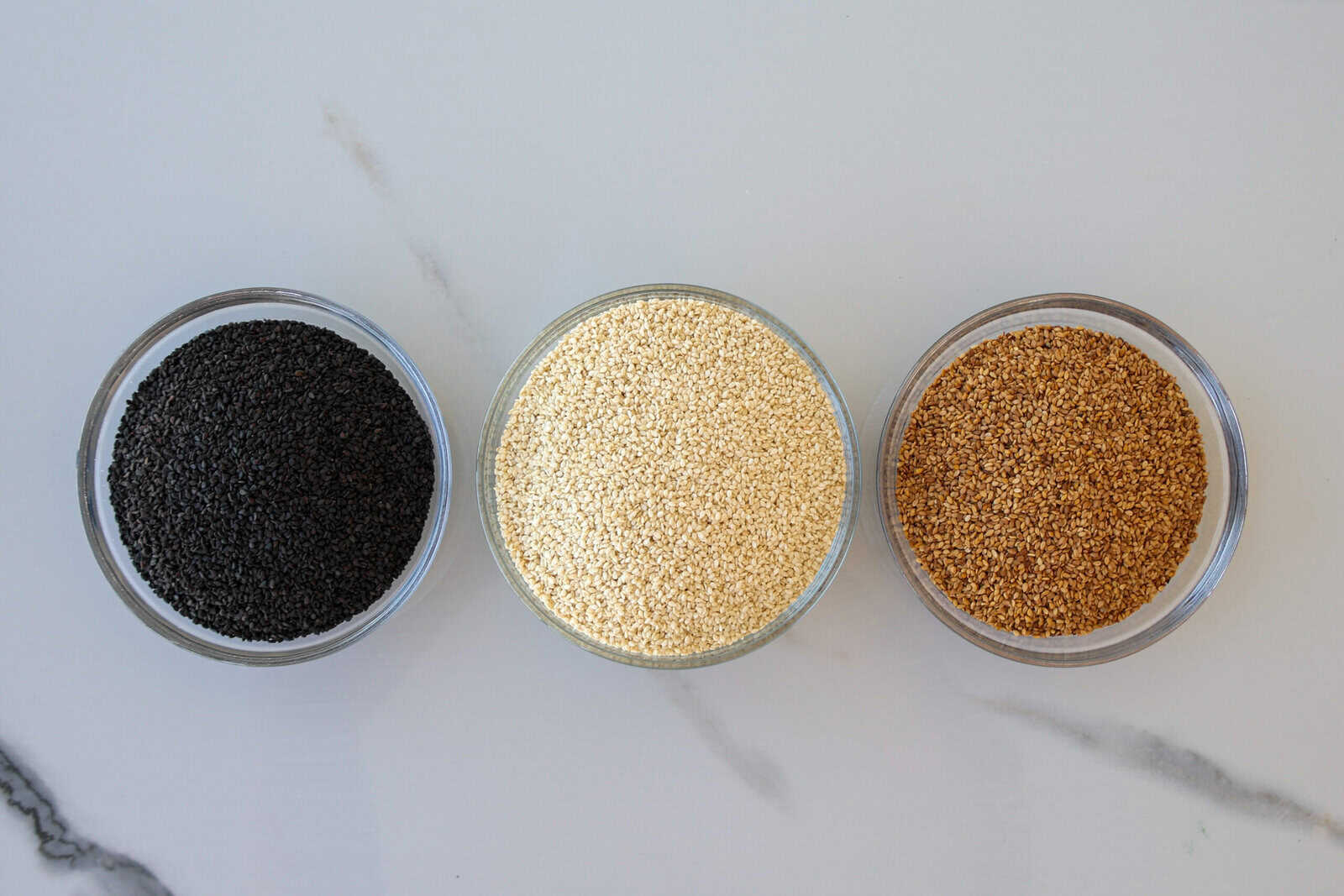
Hulled vs. Whole vs. Black Sesame Seeds
Each type of seed brings its own character to the jar:
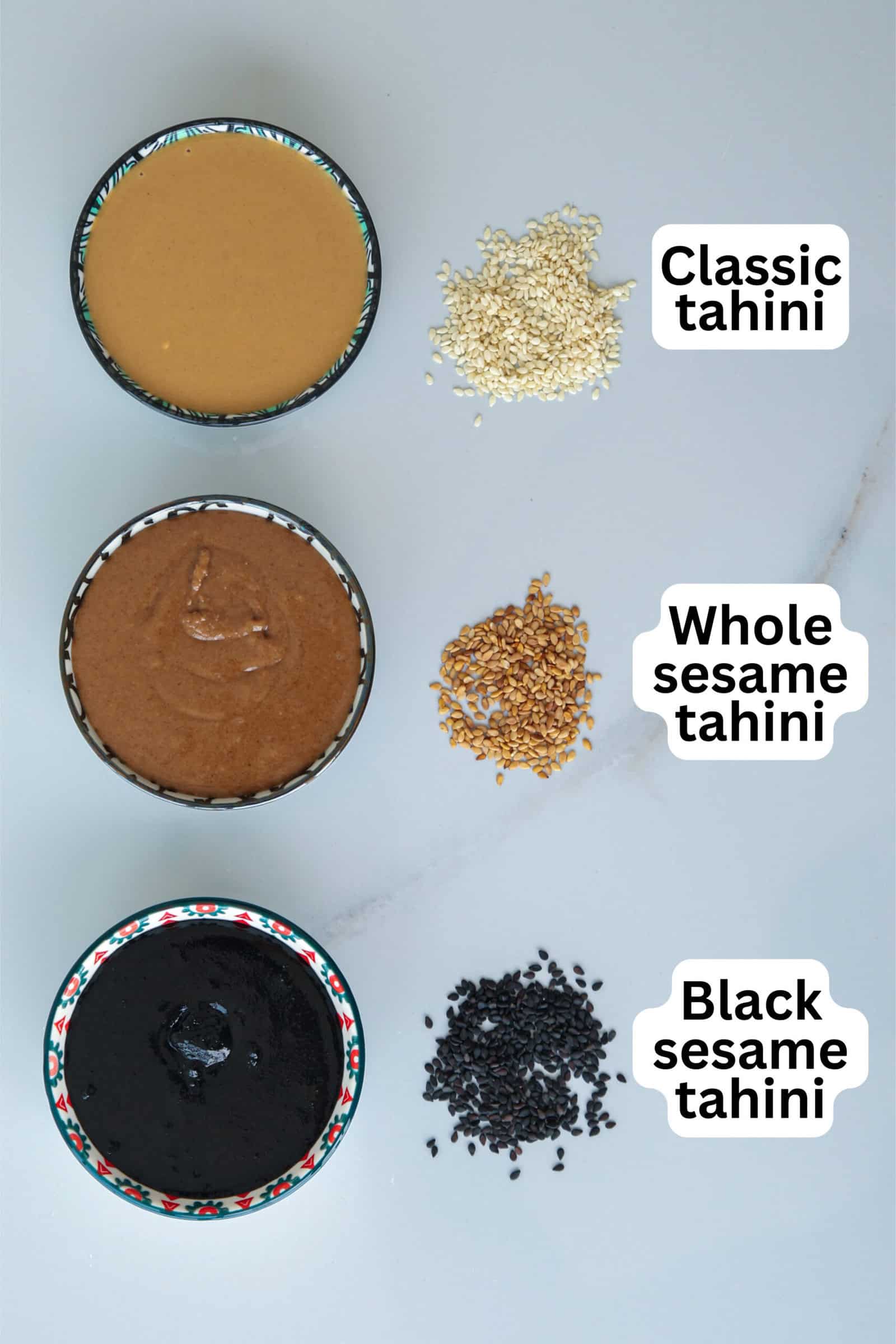
- Hulled Sesame Seeds – These seeds have their outer hull removed, which makes them lighter in color and flavor. They produce smooth, thin, and mild tahini, likely the variety you’ve encountered in the past. This variety is perfect for hummus, salad dressings, dips, and sauces where you want creaminess without overwhelming richness. If you prefer a more neutral, silky tahini, hulled seeds are the best choice.
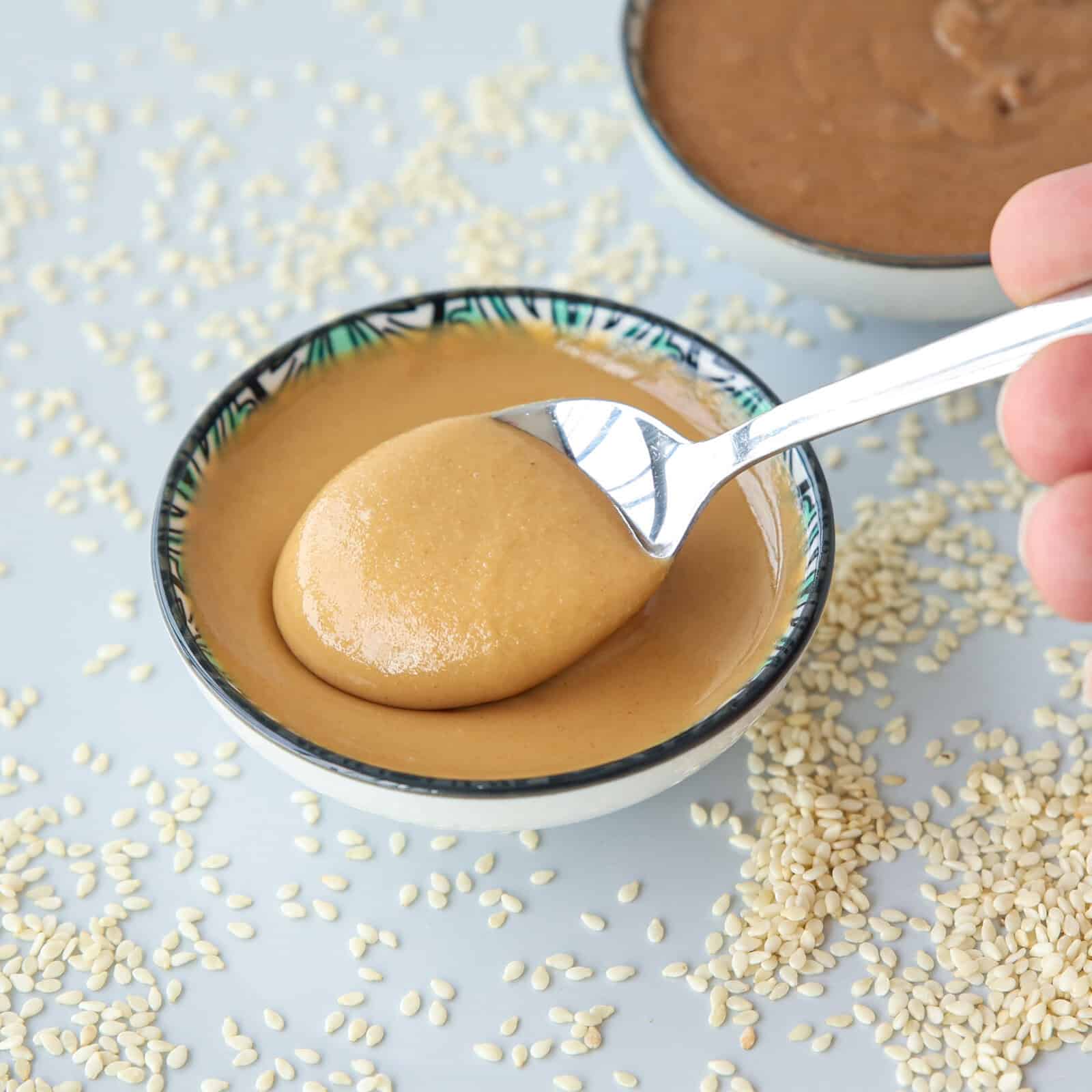
- Whole (Unhulled) Sesame Seeds – Whole seeds still contain their bran layer, so they’re higher in fiber, calcium, and nutrients. They yield a thicker, darker, and deeper-flavored tahini, sometimes called whole sesame tahini, with a pleasantly earthy, slightly bitter edge, and a similar texture to natural peanut butter. This style shines in savory dishes, like roasted vegetable sauces, dressings, or anywhere you want more assertive flavor and depth.
- Black Sesame Seeds – Bold, earthy, and visually stunning, black sesame tahini makes a dramatic dark gray to charcoal-colored paste. It has a rich, toasted flavor and a softer bitterness. This version works beautifully in desserts, smoothie bowls, ice cream, baked goods, and finishing sauces, where you want both visual contrast and nuanced flavor.
Sesame Seed Varieties Around the World
Just like olives, cocoa, and coffee, sesame has terroir, which means the local climate and soil affect flavor. Some well-known varieties include:
- Ethiopian Humera Sesame – Widely considered the gold standard, known for its rich, naturally nutty flavor and balanced aroma. Many premium tahini brands use exclusively Humera sesame.
- Indian Sesame – Often has a deeper, slightly more bitter profile, making it excellent for whole-seed tahini or recipes where a more assertive sesame flavor is desired.
- Middle Eastern Varieties (Lebanese, Israeli, Turkish) – Mild, balanced, and gently nutty, these are the classic choice for traditional tahini sauces, hummus, and mezze spreads.
- East Asian Sesame (Japan & China) – Typically lighter in flavor with a clean, toasty aroma, often used in Japanese sesame dressings, dips, and noodle salads.
How Seed Choice Affects Your Tahini
The sesame seeds you choose will directly affect your tahini’s color, flavor, and texture. With options ranging from pale ivory to deep caramel or even dramatic charcoal; from mild and nutty to toasty and deeply earthy; and from silky-smooth and pourable to thick and more peanut butter-like, there are tons of ways to tahini!
Choosing sesame seeds is less about “right vs. wrong” and more about matching the tahini to how you plan to use it:
- For silky hummus and creamy dressings, hulled seeds are ideal.
- For rich, savory sauces or roasted vegetables, whole seeds offer deeper flavor.
- If you’re looking for a striking, bold tahini that doubles as a visual centerpiece (especially for desserts and smoothie bowls), black sesame is the way to go.
How to Make Tahini
Watch the full video recipe to learn how to make the BEST raw Tahini paste recipe.
Prefer the written recipe? Scroll down to the recipe box for the full written recipe! 👇
Expert Tips & Tricks
- Start with enough sesame seeds. Use at least 2 cups of seeds since most food processors and blenders need this amount to catch and blend properly. Smaller batches often turn out gritty.
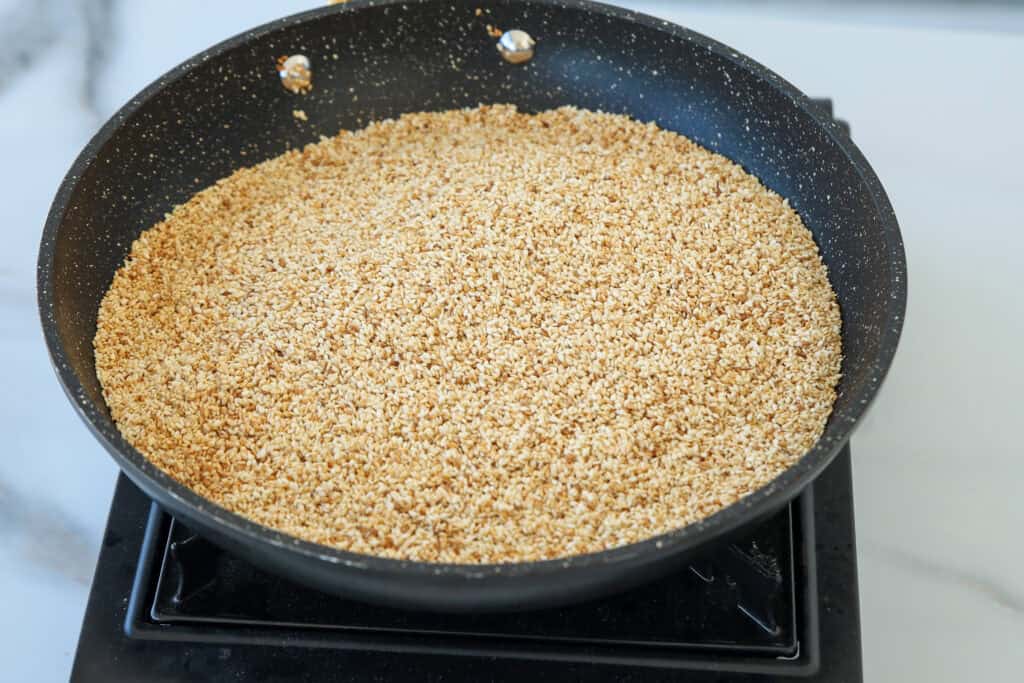
- Toast for deeper flavor. Toasting is optional, but it enhances the nutty aroma and helps the seeds release their oils more easily. Toast over medium-low heat just until fragrant. Just don’t let them brown too much, or the tahini may turn bitter.
- Blend in intervals. After the first 1-2 minutes, stop to scrape down the sides of the processor. This prevents overheating and ensures the paste becomes fully smooth. Then continue blending for 5-10 minutes more.
- Control the temperature. As you blend, the mixture naturally heats up. Try to keep it below 50-55°C (122-131°F) to protect flavor and nutrients. If it gets too warm, stop and let it cool for a minute before continuing. You can also pop it in the fridge if needed!
- Use the tamper (if you have one). If your blender has a tamper stick, use it to help move the mixture toward the blades. This speeds up blending and prevents overheating and a grainy texture.
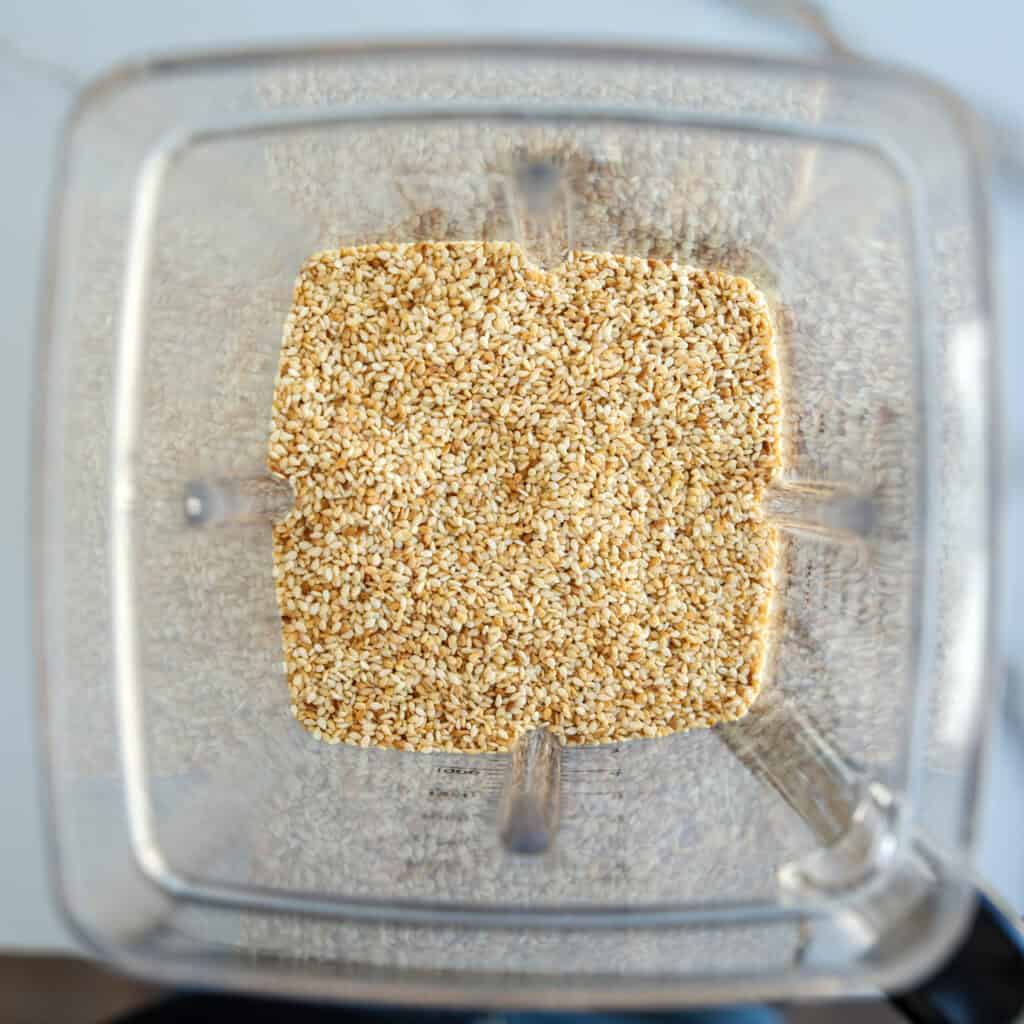
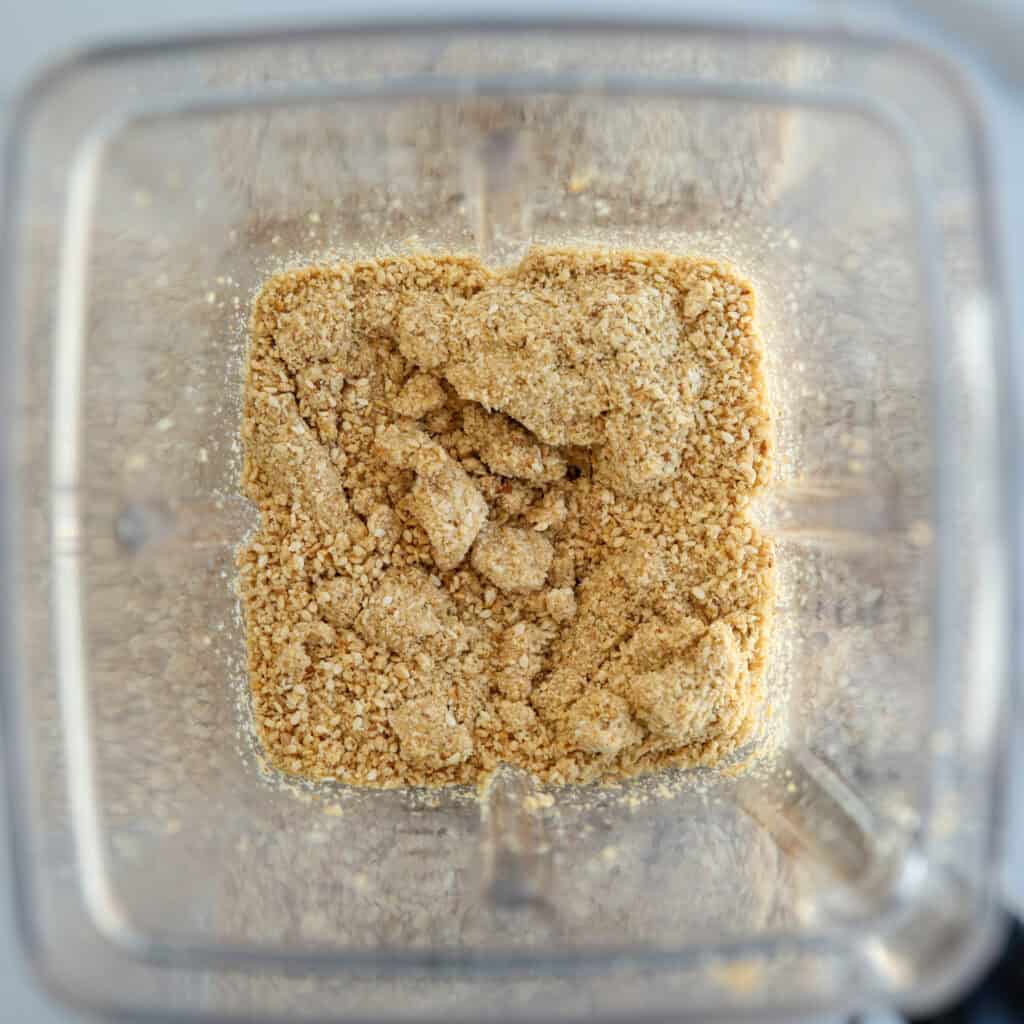
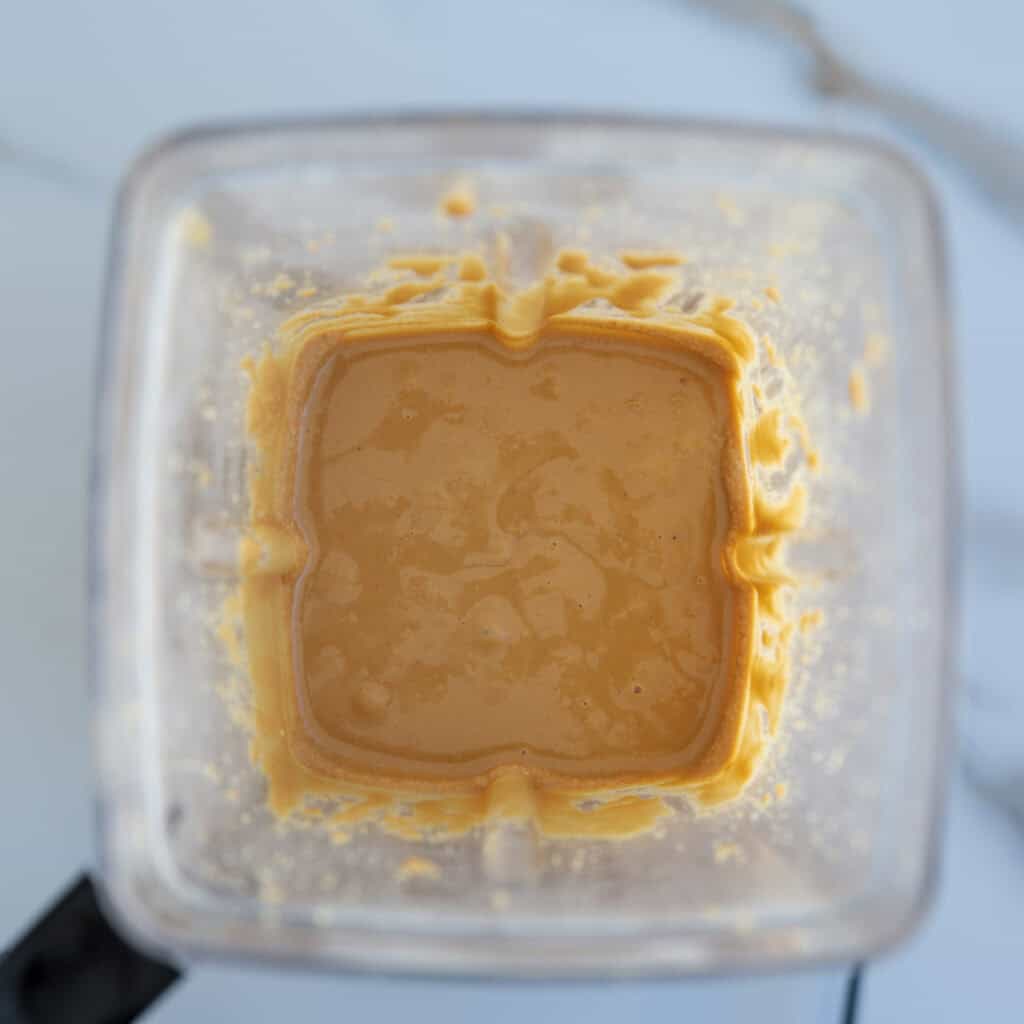
- Keep going past the chunky stage. Tahini will look dry and thick before it becomes smooth. This is normal! The magic happens after that point. Keep blending until the mixture looks shiny, fluid, and pourable. (Check out the video for a visual of how it changes.)
- Tip for toasting black sesame seeds. Because black seeds are dark, it’s harder to tell when they’re toasted. Add 2-3 tablespoons of white sesame seeds to the pan, then toast until the white seeds turn golden. Or simply toast black sesame for 3-4 minutes over medium-low heat until aromatic.
How to Use Tahini
Tahini is incredibly versatile. I can almost guarantee that once you have a jar on hand, you’ll start finding ways to add it to just about everything. Here are just a few ideas to get you started:
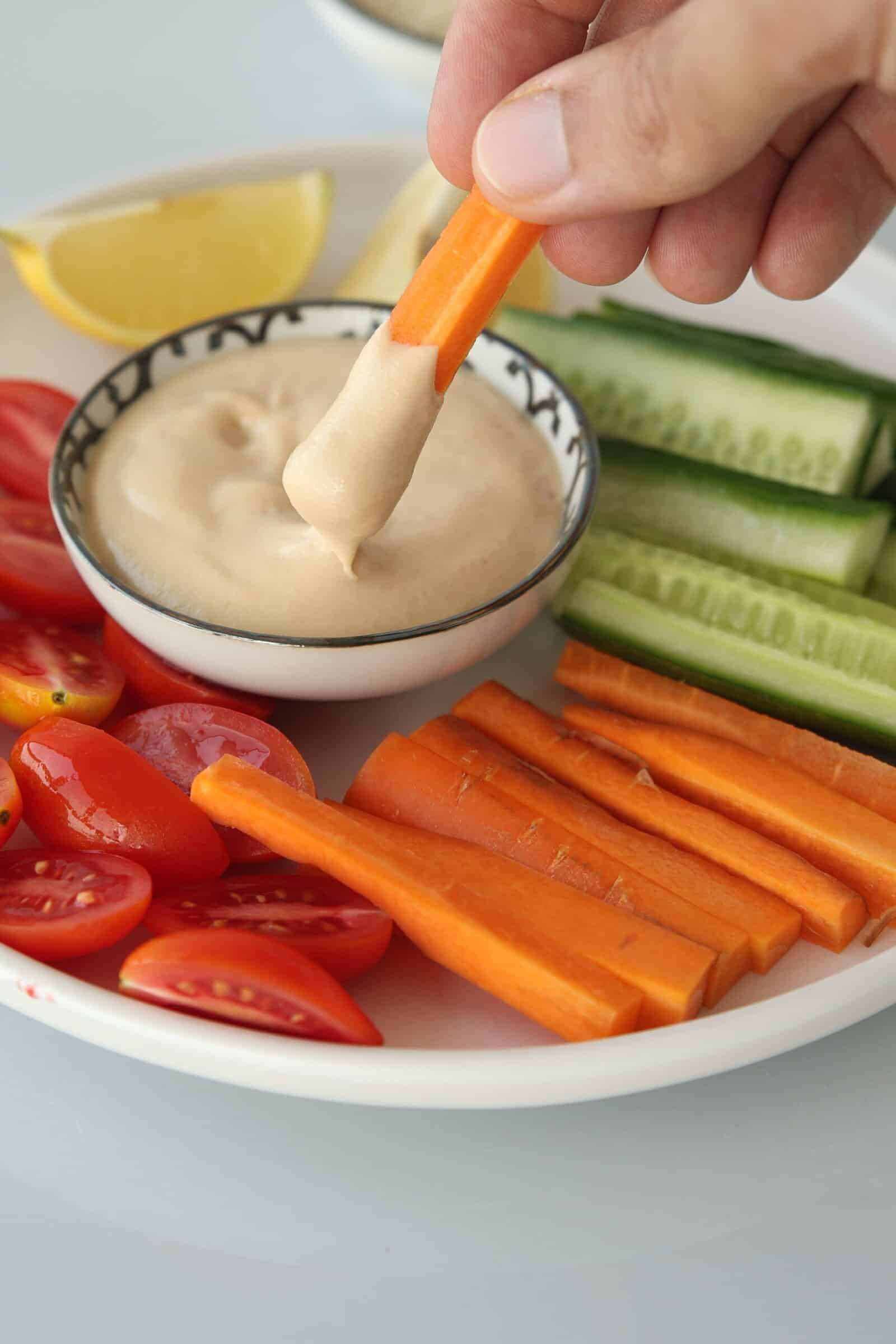
- The most classic use is tahini sauce, made by whisking tahini with lemon juice, garlic, water, and salt until creamy and smooth.
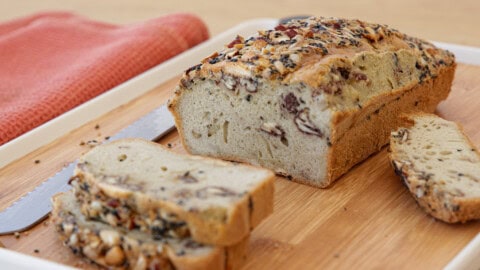
- Want to make keto bread? Tahini is the answer!
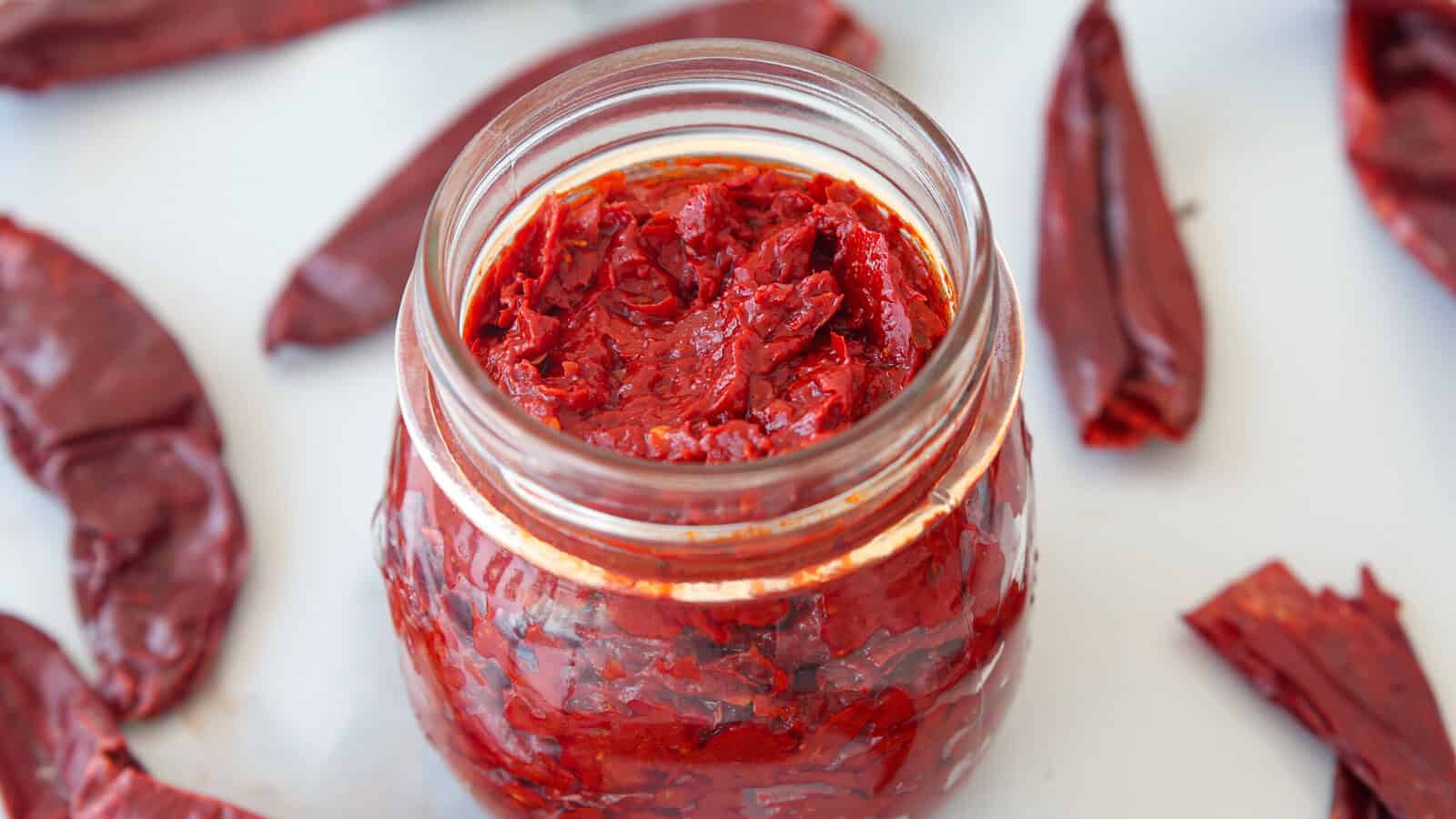
- It’s essential in Middle Eastern favorites like hummus, harissa hummus, baba ganoush, siniya, labneh, and mutabbal.
- It also makes a fantastic finishing drizzle. Spoon it over shawarma, homemade falafel, grilled vegetables, roasted cauliflower, grain bowls, or Buddha bowls to add richness and balance.
- For an Asian-inspired sauce, mix tahini with soy sauce, honey, and lemon for a creamy dressing that works beautifully on salads or cold noodle bowls.
- Tahini can also stand in as a 1:1 substitute for nut butter in smoothies, energy balls, granola bars, oatmeal, toast toppings, and more, which makes it especially helpful for those avoiding nuts.
- Don’t forget about desserts! Tahini pairs naturally with chocolate, dates, honey, and maple syrup, adding a subtle toastiness that keeps sweets from tasting too sweet. Here are just a few of my favorite ways to add it to treats:
How to Store Tahini Pate
- Room Temperature: Store in an airtight jar at room temperature for up to 1 month.
- Long-Term Storage: Refrigerate for up to 3 months to keep it fresh longer.
- Stir Before Using: Natural oil separation is normal. Just stir well to recombine.
- Texture Tip: Chilled tahini may thicken; let it sit at room temp for a few minutes to soften.
More Nut & Seed Butter Recipes (or DIY Ingredients)
Easy Homemade Tahini Recipe | How to Make Tahini Paste
Equipment
Ingredients
- 2 cups (300 g) Sesame seeds *read notes
Optional:
- Neutral oil
Instructions
- Toast the sesame seeds (optional): For raw tahini, you can skip this step. But if you prefer a slightly nuttier flavor, lightly toast the sesame seeds in a dry skillet over low heat for 3–5 minutes, stirring constantly until fragrant. Do not let them brown. Let cool completely before blending.
- Blend the sesame seeds: Add the sesame seeds to a high-speed blender or food processor. Start blending on medium speed. At first, the seeds will look crumbly and dry, keep going! After a few minutes, they’ll form a thick paste. Stop occasionally to scrape down the sides and bottom to make sure everything blends evenly.
- Add oil if needed: If the mixture seems too thick or dry, add 1–2 tablespoons of natural oil to help the blending process. Continue blending until smooth, creamy, and pourable. This can take 5–10 minutes, depending on your blender’s power.
- Adjust flavor: Taste your tahini. Remember, this is raw tahini paste, not a sauce, so the flavor will be intense, slightly bitter, and earthy, as it’s meant to be the base for other recipes like tahini sauce or hummus. You can add a small pinch of salt if you’d like to soften the edge. But I usually don't add salt at this stage.
- Store: Transfer your homemade tahini to a clean, airtight jar. Store in a cool, dark place or in the refrigerator.
Video
Notes
- Minimum Quantity: Use at least 2 cups of sesame seeds. Most blenders and food processors need this volume to blend smoothly.
- Temperature: When blending, avoid overheating the mixture. Try to stay below 50–55°C (122–131°F) to preserve nutrients and prevent bitterness.
- Type of Sesame Seeds: You can use hulled, whole, or even black sesame seeds. Each type will produce a slightly different color and flavor. Hulled seeds make smoother, lighter tahini, while whole seeds create a darker, earthier paste.
- Sesame Seed Varieties: Different sesame varieties grown around the world have distinct flavors and aromas:
- Ethiopian Humera sesame is prized for its rich, nutty taste and used in many premium tahinis.
- Indian sesame tends to have a deeper, slightly more bitter profile.
- Middle Eastern varieties are mild and balanced, often used in classic Lebanese or Israeli tahini.
- East Asian sesame (especially from Japan or China) has a lighter, toasty aroma.
- Oil: Traditionally, authentic tahini is made with only one ingredient — sesame seeds. If your blender is powerful enough, go oil-free for the purest flavor. But if the mixture feels too dense, it’s perfectly fine to add a few tablespoons of neutral or sesame oil to help it blend smoothly.
- Storage: Store in an airtight jar at room temperature for up to 1 month, or refrigerate for up to 3 months. Stir before using, as natural separation may occur.
- Make Tahini Sauce: To turn raw tahini into a creamy dressing, find the full recipe here: how to make creamy tahini sauce.
Nutrition
FAQs
Traditional tahini is made with just sesame seeds!
Yes! Homemade tahini is often fresher, more flavorful, and more affordable than store-bought, and you can customize the toast level and texture. Plus, it’s just one ingredient and a blender away.
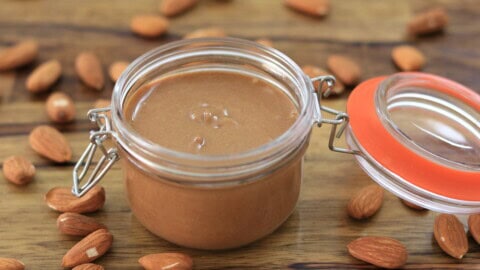
A good substitute for tahini is a smooth, unsweetened nut or seed butter, such as homemade almond butter, cashew butter, or sunflower seed butter. They offer a similar creamy texture and mild nuttiness, just be sure to choose versions without added sugar or flavorings for the closest match.
Homemade tahini can last up to 1 month at room temperature or 3–4 months in the refrigerator if stored in an airtight jar. Make sure to keep it away from direct sunlight and always use a clean, dry spoon to prevent spoilage.
If your tahini feels too thick, add 1–2 tablespoons of neutral oil (like grapeseed or light olive oil) and blend again until smooth. The consistency depends on the sesame seeds and blender power, so adjust as needed.
Absolutely! tahini is packed with healthy fats, calcium, magnesium, and plant-based protein. It’s naturally vegan, gluten-free, and suitable for most diets, including keto and Mediterranean.

Where are all the unpronounceable chemical names that are in the store bought versions? Don’t we need to add those for a more disgusting industrial flavour? I guess I’ll try home made using the instructions above. Who knows? It might taste better and be healthier without all that nasty stuff in it.
Update: It’s a whole lot better! I’ll never buy it again.
Hi David,
thank you very much for your detailled description for making Tahini at home.
With your expanations, I managed to create a smooth paste. I might go for the almond butter next. I look forward to explore more of your articles.
Greetings from Berlin, Germany
Looking forward to giving is a try. Thank you 😊
Thank you for this tahini recipe! I love how detailed your video is and how you suggest so many versions and tips.
I don’t have a blender or a food processor at the moment. Is there any way to make it without one?
Thank you!
Thank you so much! I’m really glad you enjoyed the video.
Unfortunately, it’s quite hard to make tahini without a blender or food processor since the sesame seeds need to be ground into a smooth paste. You could try using a mortar and pestle, but it’ll take some patience (and muscle 😅).
Or, if you happen to have an old-fashioned millstone lying around, that would work too! 😂
Once you get a blender or food processor, it’ll be super easy to make!