
Easy Homemade Hazelnut Butter Recipe (+9 Flavors!)
This post may contain affiliate links.
My fantastically simple Homemade Hazelnut Butter recipe is here to give your morning toast a delightful upgrade. It’s everything you adore about hazelnuts turned into a silky, spreadable dream: naturally sweet, deeply toasty, and unbelievably versatile. And the best part? You only need one ingredient and a few minutes to make it!
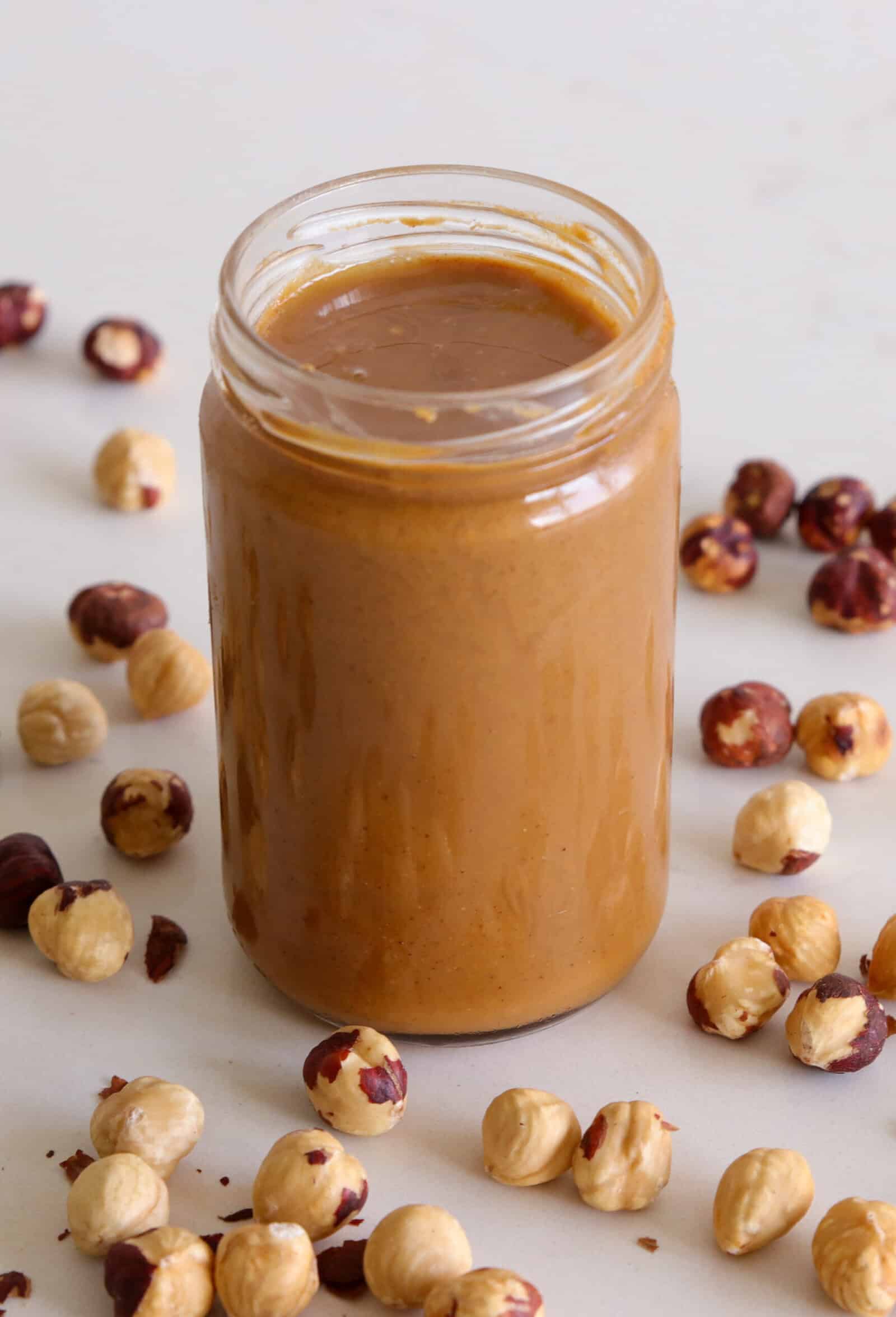
I originally published this recipe in 2023 and have since updated it with new photos, improved instructions, and extra success tips.
As much as I love Justin’s hazelnut butter, I’m not a fan of the huge price tag. (Seriously, $17+ for 16 ounces?!? And it’s not even pure hazelnut butter, it’s hazelnut almond butter!!) That’s why I love making homemade nut butter. It’s so easy, way cheaper, tastes fresher (because it is fresher), and is free from any artificial additives.
Ingredients & Substitutions
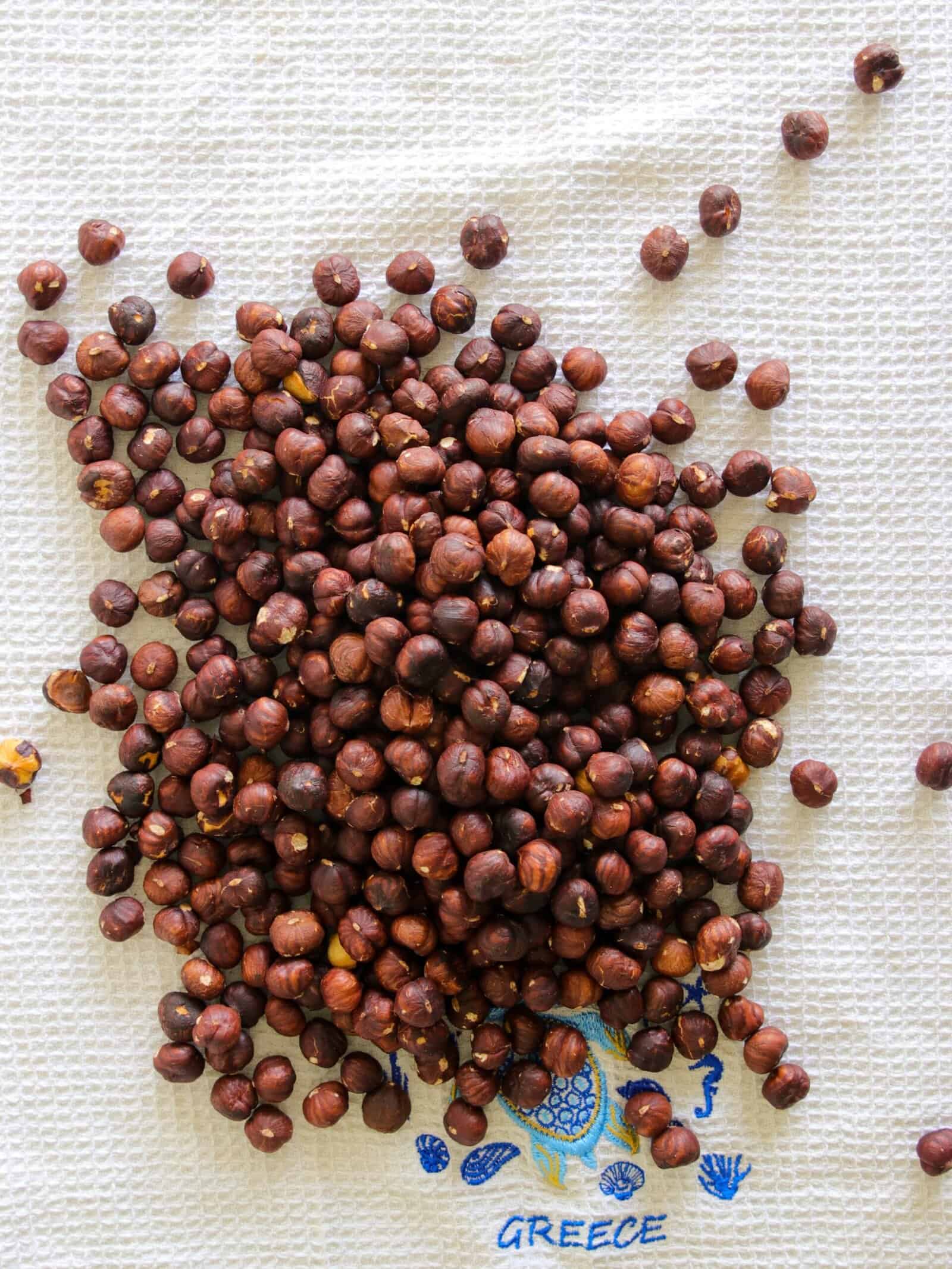
- Raw Hazelnuts – Starting with raw hazelnuts and toasting them yourself ensures the best flavor, plus it helps release the oils for easier blending.
What is the difference between Hazelnut Butter & Nutella?
While they both start with hazelnuts, hazelnut butter and Nutella are two very different products both in terms of flavor and ingredients.
Hazelnut butter is made from 100% pure hazelnuts (plus an optional pinch of salt). It has a naturally sweet, toasty flavor and a rich, creamy texture with no added oils, sugars, or fillers. It’s nutrient-dense, minimally processed, and packed with healthy fats, fiber, and vitamins, all without added sugar or oils. Think of it as the hazelnut equivalent of almond or peanut butter.
Nutella, on the other hand, is a chocolate-hazelnut spread also known as gianduja, not a nut butter. While it does contain hazelnuts, they aren’t the main ingredient. The primary ingredients are sugar and palm oil, followed by cocoa powder, milk powder, and flavorings. (My homemade Nutella is palm-free, opting for melted milk chocolate instead. Yum!)
This gives Nutella its iconic chocolate-forward flavor and dessert-like sweetness, but it also means it’s much higher in sugar and lower in actual hazelnut content. For a good middle ground, check out my healthier Nutella recipe which is lightly sweetened and is much closer to a classic nut butter.
How to Make Hazelnut Butter at Home
Watch the full video recipe to learn how to make the BEST Homemade Hazelnut Butter.
Prefer the written recipe? Scroll down to the recipe box 👇
Optional Variations & Dietary Adaptations
- Salted Hazelnut Butter – Add a pinch (⅛ – ¼ teaspoon) of fine sea salt to bring out the roasted flavor and balance the natural sweetness of the nuts.
- Vanilla Hazelnut Butter – Stir in ½ teaspoon vanilla extract or vanilla bean paste for a warm, mellow flavor that tastes like a hazelnut cookie.
- Honey or Maple Hazelnut Butter – Add 1-2 tablespoons of honey or maple syrup for a naturally sweet variation. Stir it in at the end, adding liquid too early can cause the mixture to seize.
- Crunchy Hazelnut Butter – Fold in a small handful of coarsely chopped roasted hazelnuts for a nutty, textured version that’s perfect for topping yogurt, oatmeal, or smoothie bowls.
- Spiced Hazelnut Butter – Add a pinch of cinnamon, cardamom, or nutmeg for a cozy, aromatic twist that’s perfect for holiday gifting.
- Coconut Hazelnut Butter – Blend in 1 tablespoon coconut oil and 1-2 tablespoons shredded coconut to add richness and a subtle tropical note.
- Coffee Hazelnut Butter – Mix in ½ teaspoon instant espresso powder for a mocha-like flavor that pairs perfectly with chocolate desserts or morning toast.
- Hazelnut Almond Butter – Use half almonds and half hazelnuts to cut down on the cost and add a more rustic texture.

Expert Tips & Tricks
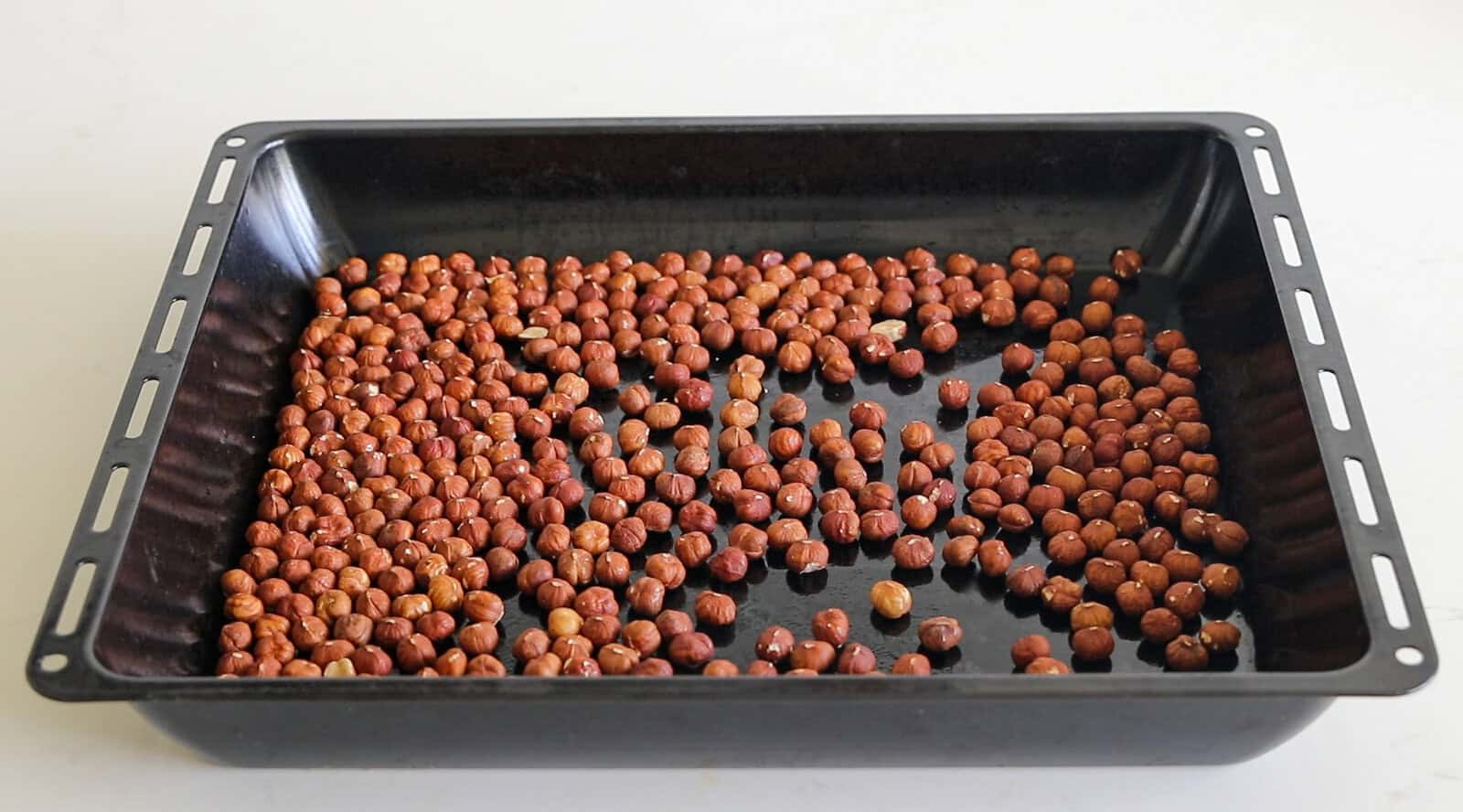
- Roast the hazelnuts well for maximum flavor. Proper roasting is the secret to smooth, ultra-flavorful hazelnut butter (also known as hazelnut paste). Roast at 350°F (175°C) for 10-12 minutes, or until the nuts smell deeply fragrant. Warm nuts release their oils faster, blend more easily, and create a far richer flavor.
- Remove as much skin as possible. Hazelnut skins are bitter and can make your butter taste slightly harsh. After roasting, rub the nuts in a clean kitchen towel to loosen the skins. Don’t stress if a few bits remain, we’re just aiming to get most of them off.
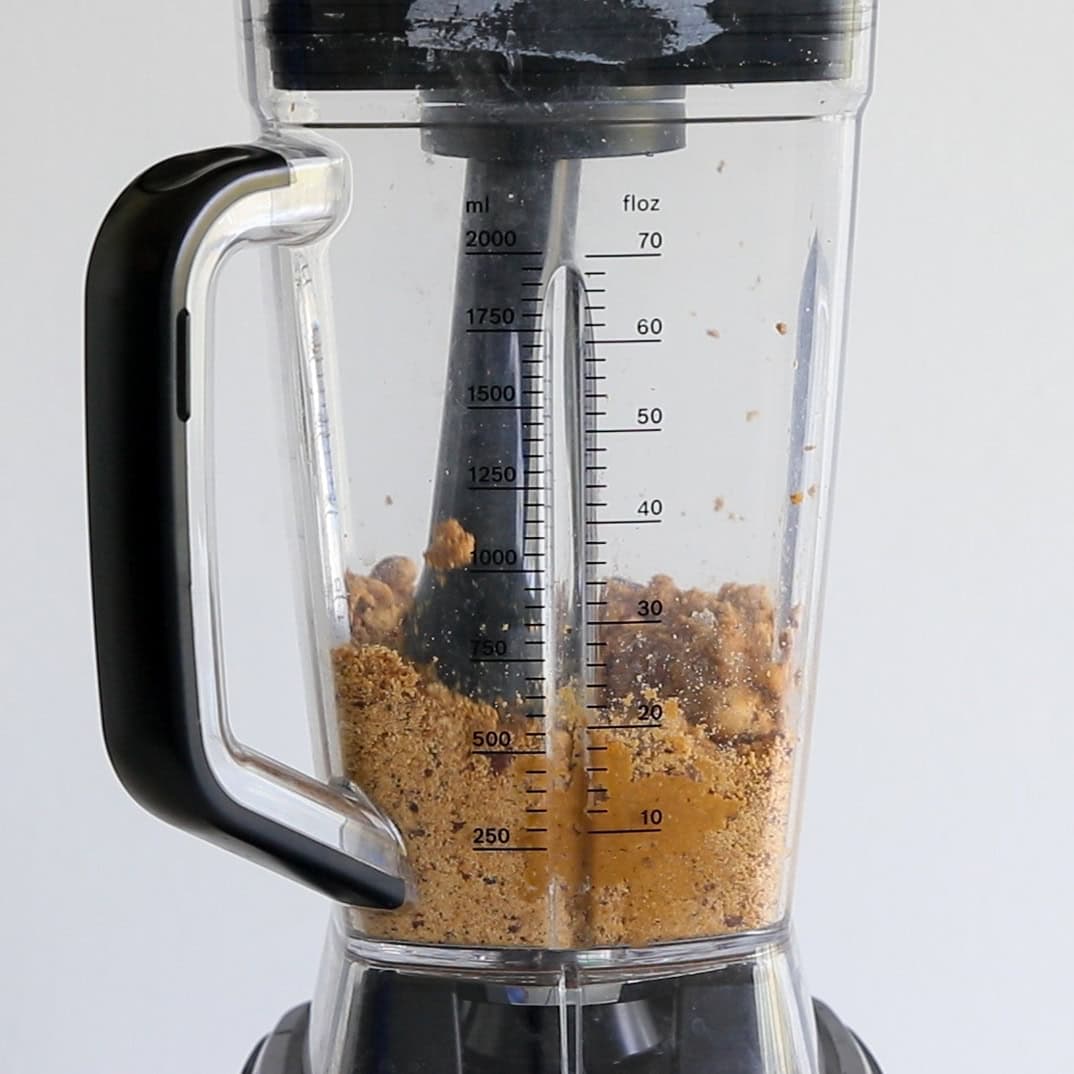
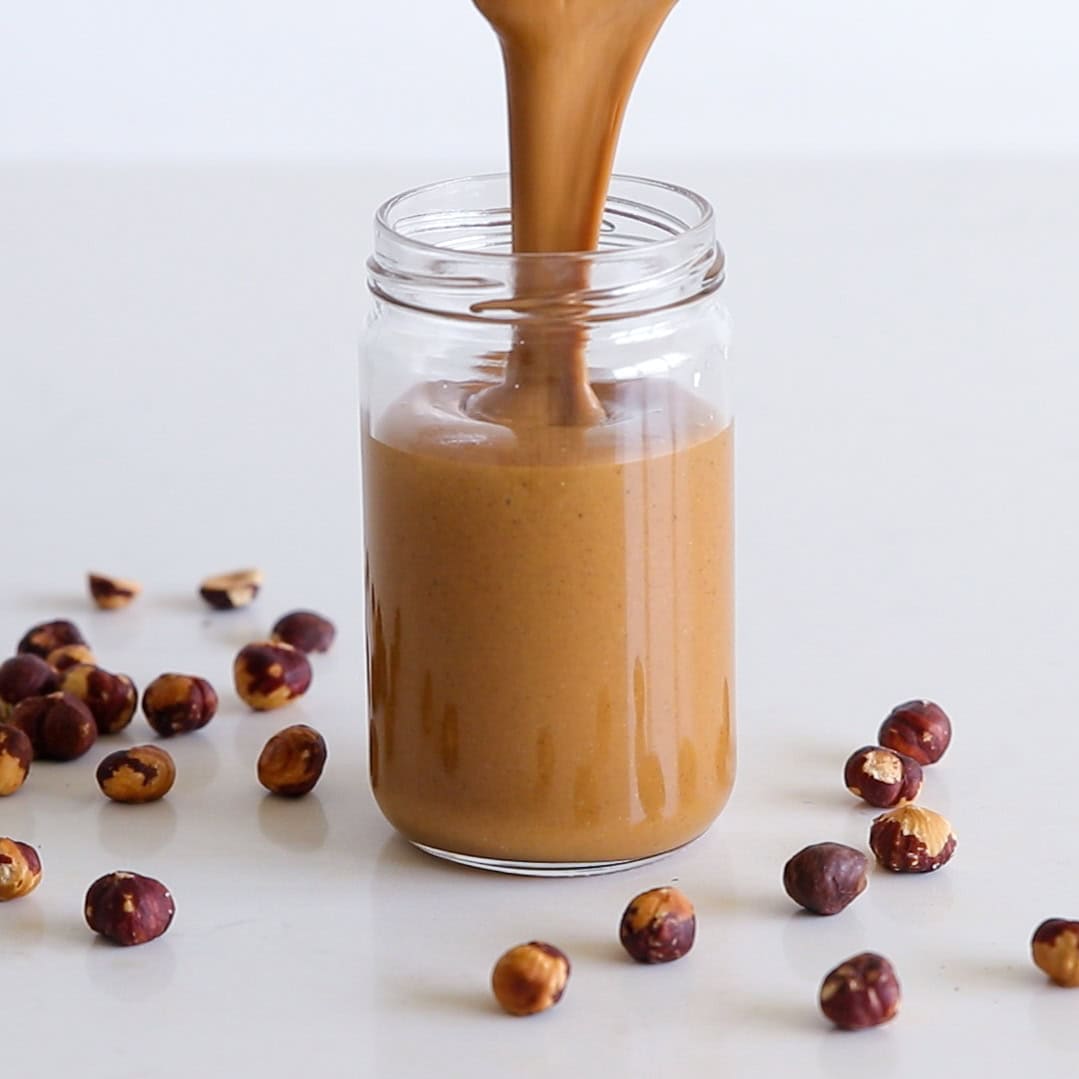
- Be patient—the butter will go through several stages. At first it will look crumbly… then sandy… then like thick cookie dough… and eventually it turns into gorgeously smooth, glossy, spreadable hazelnut butter. This can take 5-12 minutes depending on your food processor. Keep going and scrape the bowl often.
- Use a powerful food processor or blender. Hazelnuts are slightly drier than peanuts or almonds, so they need strong blades. If your machine gets warm, stop and let it cool; overheating can shorten appliance life.
- Don’t add liquid too early. Sweeteners (like honey or maple syrup) and extracts should be added after the hazelnuts have fully turned into butter. Adding liquids too soon can cause the mixture to seize and become grainy.
- Adjust the texture to your liking. For thick, spreadable hazelnut butter, stop blending early. For silky, drippy butter, keep processing until the natural oils fully emulsify. You can add ½ – 1 teaspoon neutral oil only if absolutely needed.
- Start with unsalted nuts for best control. Unsalted hazelnuts let you adjust sweetness and salt levels precisely. If your nuts are already salted, taste before adding more.
Hazelnut Butter Uses & Recipe Ideas
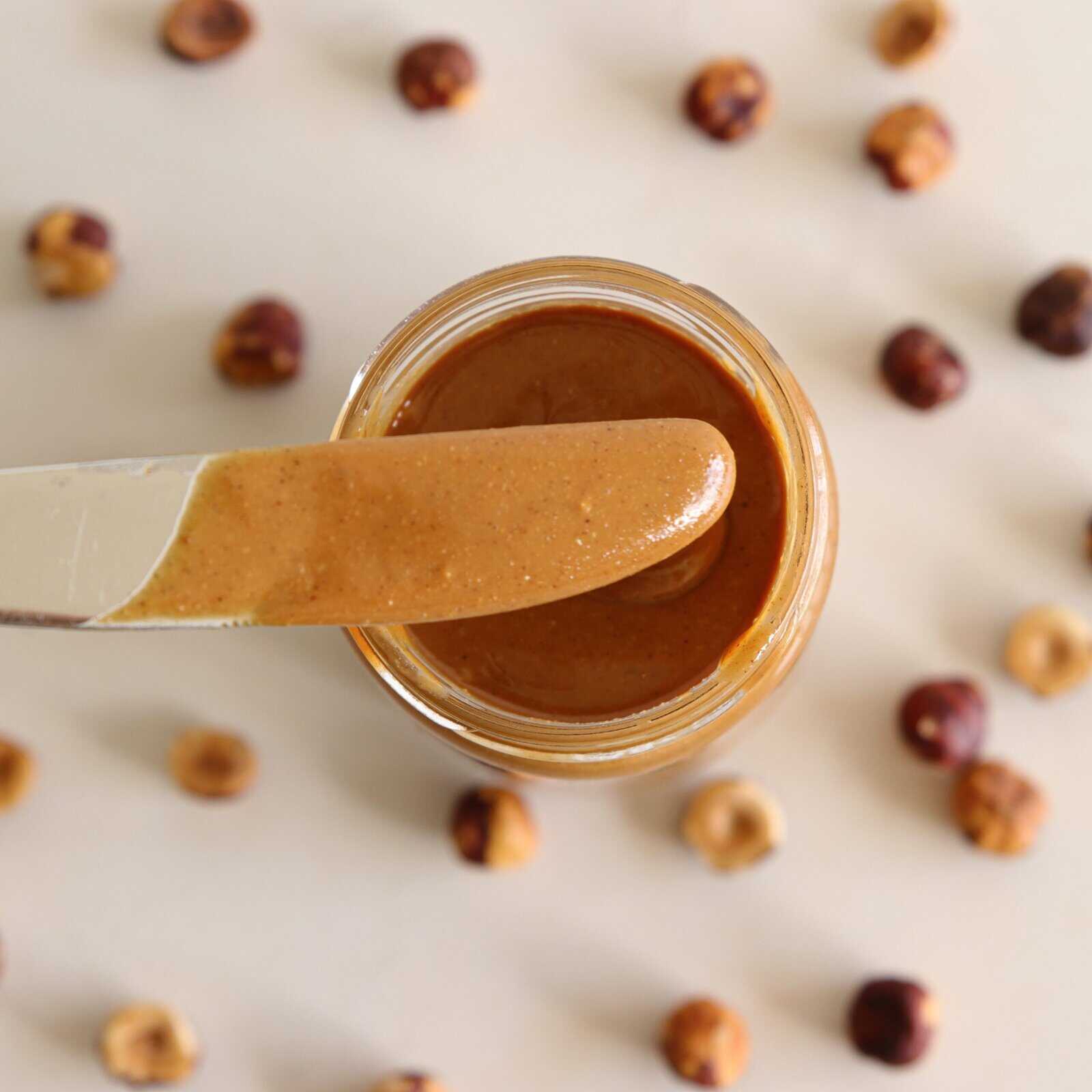
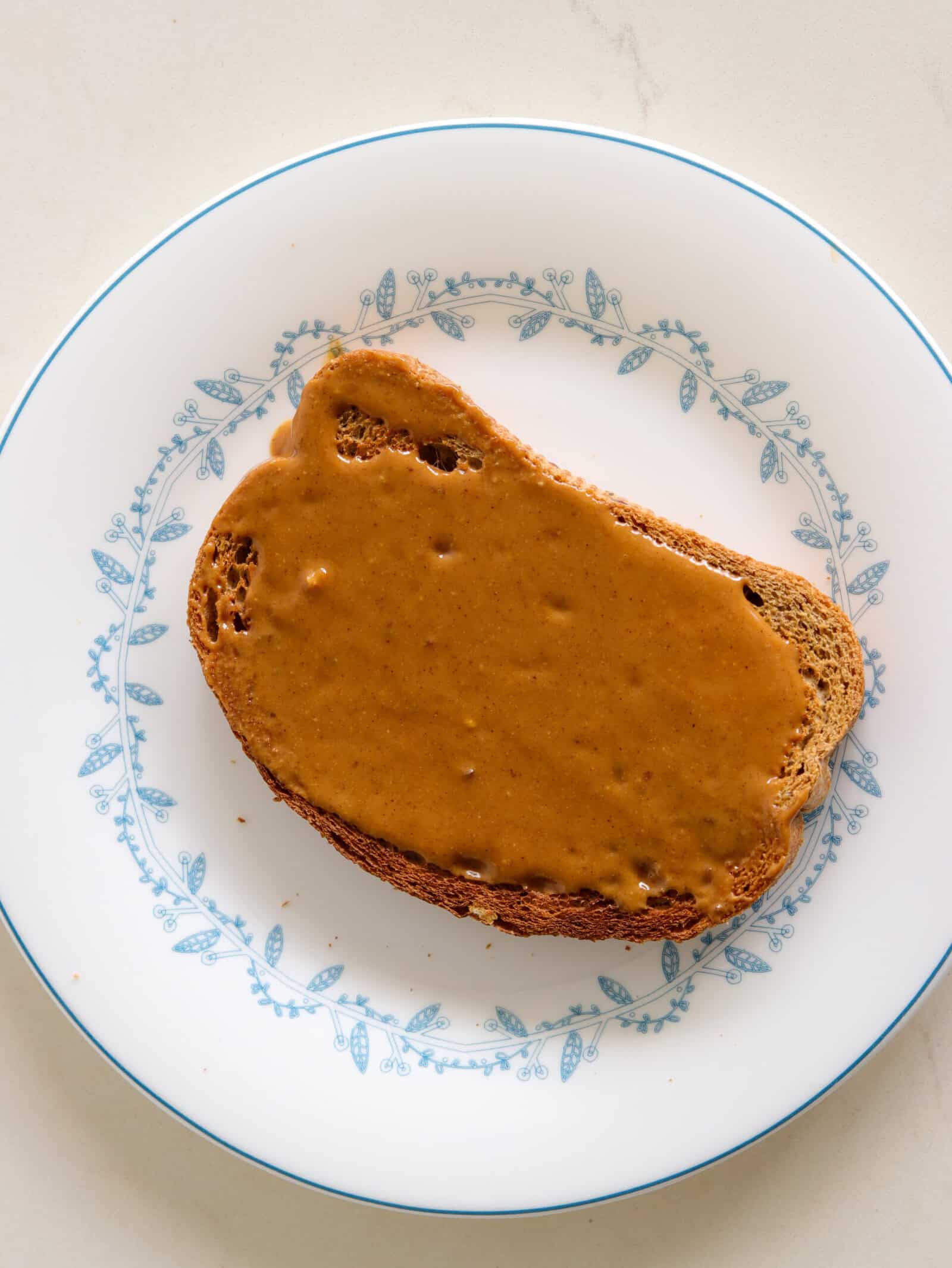
Homemade hazelnut butter is luxuriously rich and versatile, you’ll find yourself reaching for it all day long. Start with the simple pleasures: spread it on toast, warm croissants, bagels, muffins, or pancakes, or swirl it into oatmeal, yogurt, or smoothie bowls for a naturally sweet, nutty upgrade. It’s also a dreamy dip for apple slices, pears, bananas, strawberries, or pretzels.
For dessert lovers, hazelnut butter is a revelation. Drizzle it over Nutella ice cream, classic brownies, oatmeal crepes, or waffles. Or, turn it into chocolate hazelnut cups (like Reese’s and Ferrero Rocher had a baby!). You can also use it in baking. Add it to cookies, cupcakes, quick breads, blondies, energy date balls, or anywhere you want deep, toasty hazelnut flavor. You can also use it to make healthy homemade chocolate hazelnut spread.
And don’t forget about the savory side, either. Stir a spoonful into salad dressings, marinades, or sauces for roasted vegetables, grain bowls, and chicken dishes. And of course, the simplest serving method is always a classic: enjoy a spoonful straight from the jar. You’ve earned it!
How to Store Homemade Hazelnut Butter
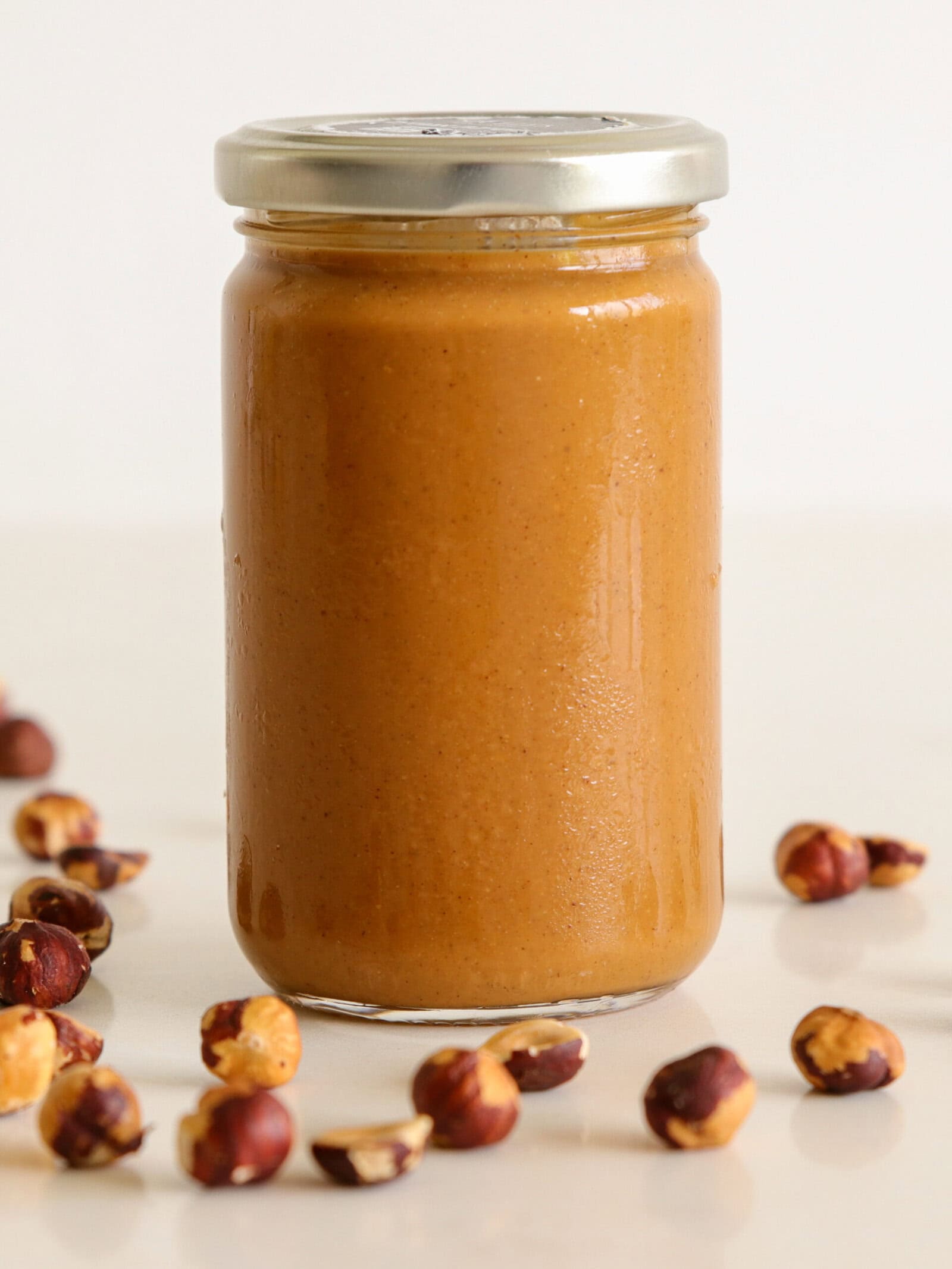
- Room Temperature: If your hazelnut butter contains only hazelnuts (and optional salt), you can store it at room temperature for up to 2 weeks. Keep it in a clean, airtight jar away from heat and sunlight. Natural oils may separate, just stir before using.
- Refrigerator: For the longest shelf life, store hazelnut butter in the refrigerator for 2–3 months (though I think it tastes best within the first month). The cooler temperature keeps the oils from turning rancid and preserves the nutty flavor. The butter will firm up when chilled, so let it sit at room temp for a few minutes before scooping.
- Freezer: Homemade hazelnut spread freezes beautifully. Portion it into small jars or silicone molds, freeze until solid, then store for up to 6 months. Thaw in the refrigerator overnight, then stir well before using to restore its creamy texture.
FAQs
Hazelnut butter and almond butter are both healthy, but almond butter is usually considered more nutrient-dense. Almond butter tends to have more protein, fiber, and vitamin E, while hazelnut butter is higher in healthy monounsaturated fats and has a naturally sweeter, richer flavor. Both are excellent choices so long as they’re made from just nuts with minimal added oils or sugar.
Heck yeah, it is! Homemade versions are fresher, more flavorful, and free from added oils, sugars, stabilizers, and preservatives. You can control the texture and sweetness, customize flavors, and often save money compared to store-bought jars. Plus, it takes just one ingredient and a few minutes to make.
Hazelnut butter and hazelnut paste are usually the same thing, both are made by blending roasted hazelnuts into a smooth, creamy spread. Some people use “hazelnut paste” more in baking and chocolate recipes, while “hazelnut butter” is used like almond or peanut butter. As long as it’s 100% hazelnuts, they can be used interchangeably.
Hazelnut butter goes through several stages before turning creamy. If it stays grainy, it usually needs more blending time, or the nuts weren’t roasted long enough to release their oils. Keep processing, scrape the bowl often, and blend while the nuts are still warm. If needed, add ½–1 teaspoon neutral oil.
Yes, hazelnut butter can be used in most recipes that call for peanut butter or almond butter, including cookies, brownies, energy balls, sauces, and smoothies. Keep in mind that hazelnuts have a naturally sweeter, more toasty flavor, so the final result will taste slightly different (in a delicious way!).
More Nut & Seed Butter Recipes

Easy Homemade Hazelnut Butter Recipe (+9 Flavors!)
Ingredients
- 17.6 oz (500 g) Hazelnuts raw
Instructions
- Roast the hazelnuts: Preheat the oven to 350°F (175°C). Spread the hazelnuts in a single layer on a baking sheet and bake for 8–10 minutes, until lightly golden and fragrant. The skins should look slightly blistered.
- Remove the skins: Let the hazelnuts cool for 3–4 minutes, then place them in a clean kitchen towel and rub to loosen the skins. Remove the peeled nuts and repeat with the remaining ones. (It’s fine if some skin remains.)
- Cool completely: Allow the hazelnuts to cool to room temperature; warm nuts blend better, but hot nuts can release too much oil.
- Blend into butter: Transfer the hazelnuts to a food processor or high-power blender. Add a pinch of salt if using, then blend, scraping the sides as needed.
- The nuts will go through stages: crumbly → paste → thick butter → smooth & creamy. This may take 5–15 minutes, depending on your machine.
- Store: Transfer the hazelnut butter to a clean jar or airtight container and refrigerate.
Video
Notes
- Texture & Blending Tips:
- If the mixture feels too thick or grainy, add 1–2 teaspoons neutral oil (hazelnut oil, avocado oil, or light olive oil).
- Use the tamper (pusher) if your blender has one, it helps keep the nuts moving.
- f your processor overheats, pause for a few minutes, then continue.
- Storage:
- Refrigerator: up to 3–4 weeks
- Room temperature: 1–2 weeks (if kitchen is cool)
- Freezer: up to 3 months (store in freezer-safe jar)

What quantity of hazelnuts was used for the nutrition information? As a diabetic, I have to watch those carbs. Thanks.
Hi Chris,
The nutritional values are calculated per 1 cup of hazelnut paste. This recipe makes 2 cups total, so the values shown apply to half of the batch.
The paste is made from 100% hazelnuts with no added sugar, so all carbohydrates listed come naturally from the nuts themselves. If you’re monitoring carbs closely, I recommend measuring smaller portions (for example, 1 tablespoon) and adjusting accordingly.
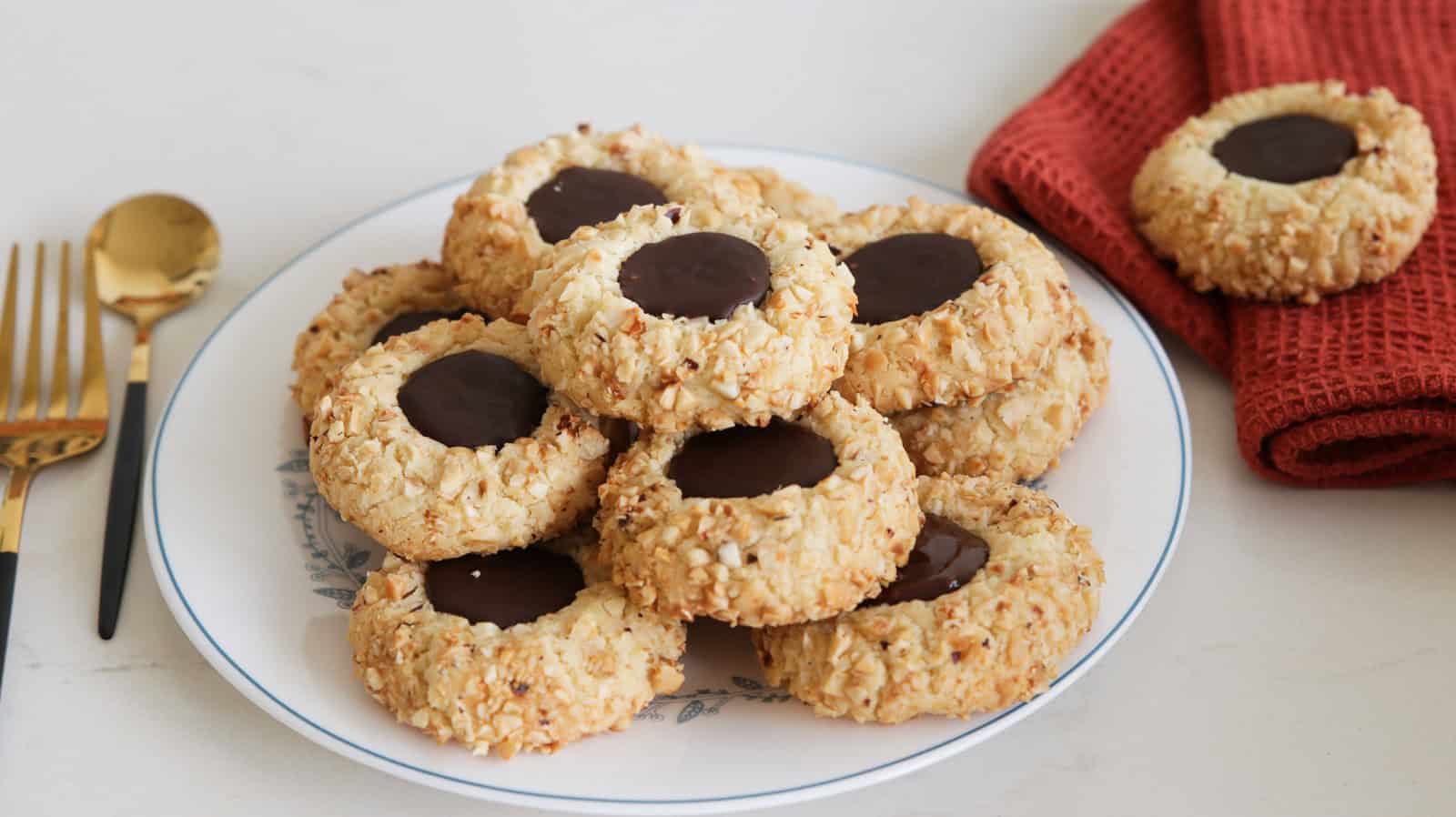
Thank you for the recipe and the tips. I used this hazelnut butter instead of peanut butter for my cookies.