
Easy Homemade Garam Masala Recipe
This post may contain affiliate links.
Add some traditional Indian flavor to your table with my deliciously simple Homemade Garam Masala recipe! This lovely warming spice blend has a huge personality, adding aromatic complexity to curries, stews, meat marinades, and more.
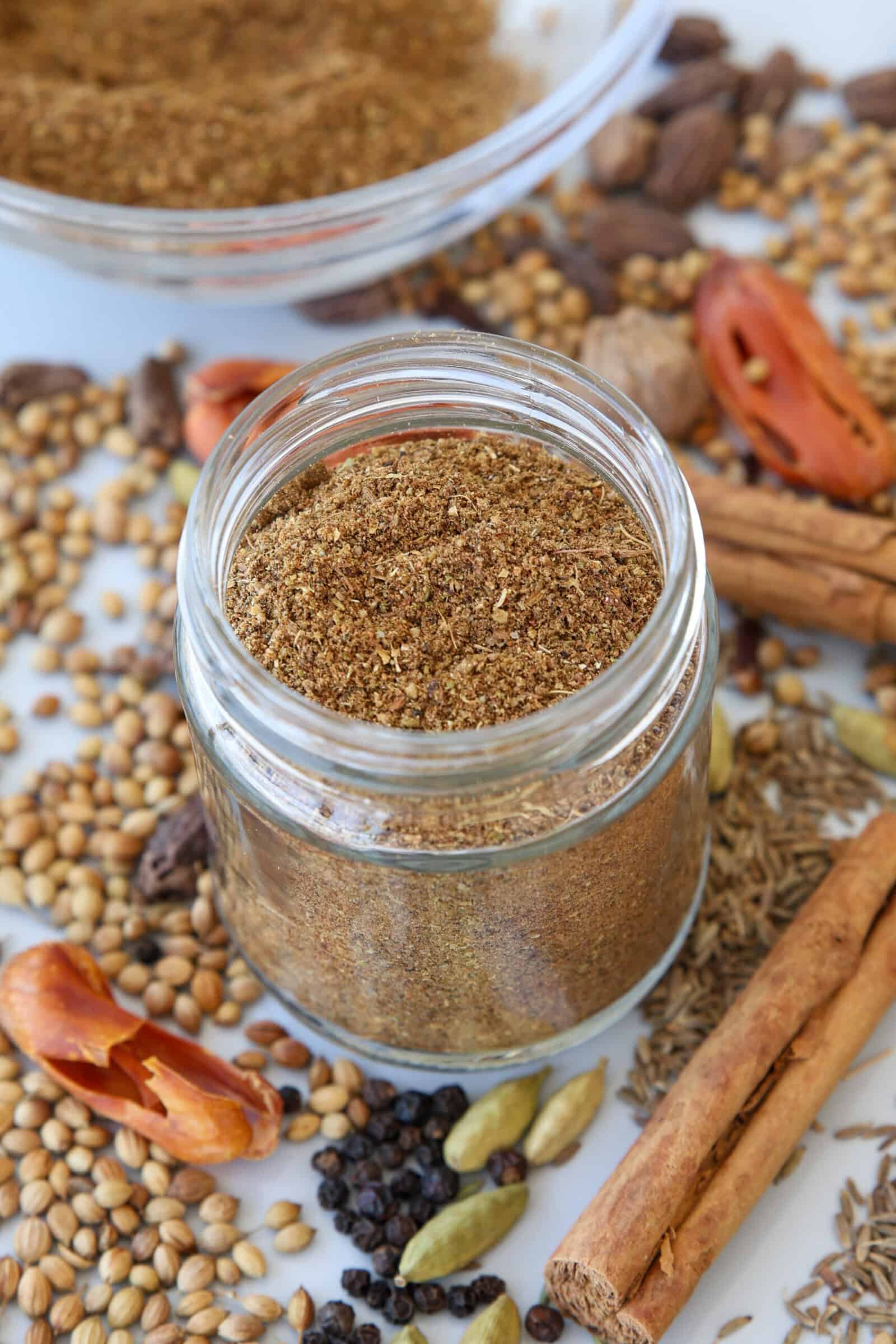
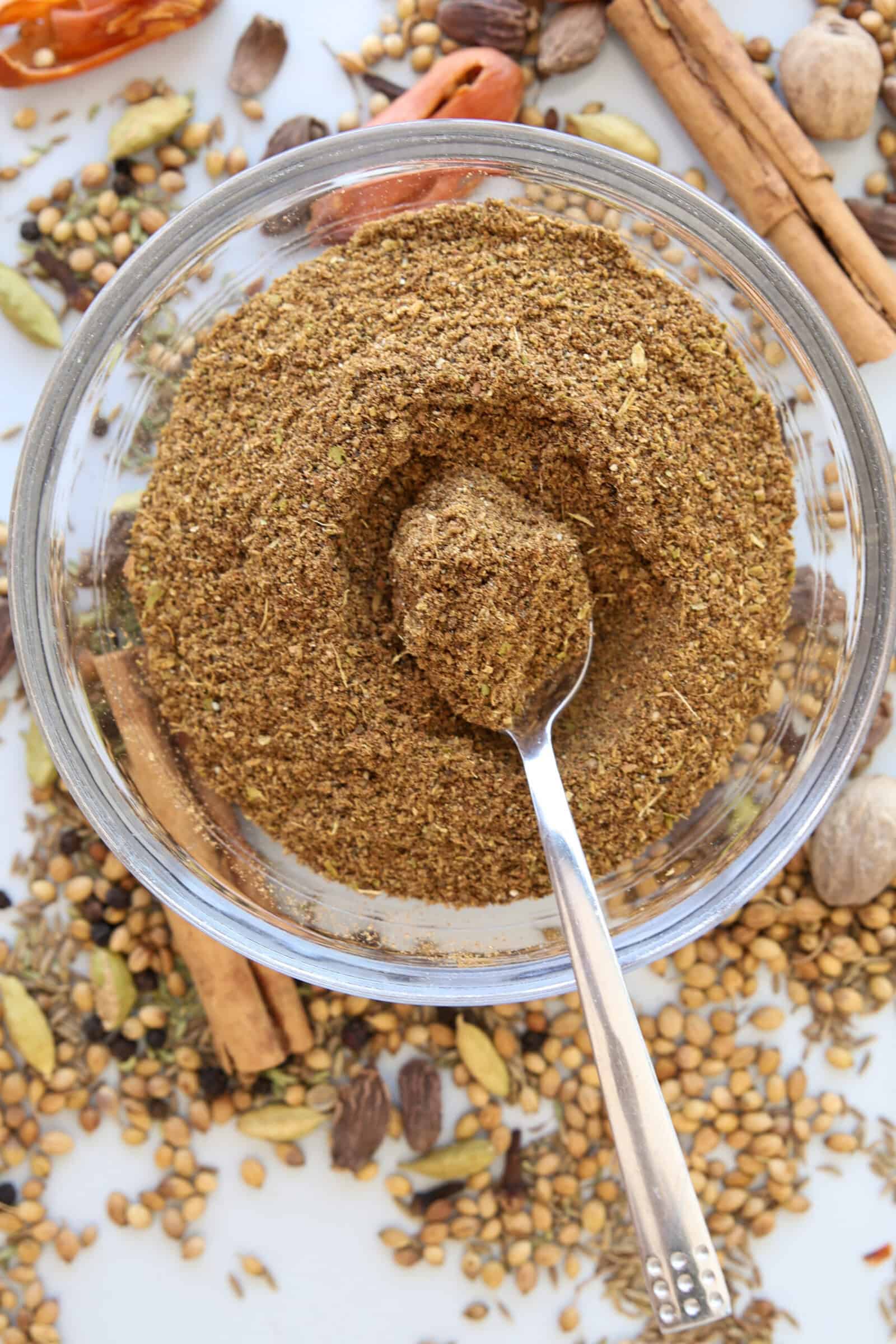
Next time you’re craving restaurant-style Indian chicken curry, flaky Punjabi samosas, or lentil daal, do yourself a favor and start with this DIY garam masala mix! Unlike pre-mixed spice blends from the grocery store, this homemade masala is made with fresh, whole spices so every bite is loaded with bold, authentic flavor!
Why You’ll Love This Easy Garam Masala Recipe
- While there are plenty of pre-blended seasoning mixes you can buy at the store (including garam masala!), the homemade stuff is in a league of its own. Starting with whole spices ensures a potent dose of their natural essential oils so every sprinkle is brimming with warm flavor.
- Perhaps you’re not a fan of fennel, or you love spicy foods, or you’re allergic to black pepper. With store-bought spice mixes, there’s not much you can do—whatever is in the bottle is what you get. But when you make this homemade curry seasoning, you can customize it to your heart’s content!
- I love hard-working ingredients that bring big flavor with little fuss. Much like Thai curry paste or pumpkin pie spice, a single bottle of homemade garam masala contains multitudes of yummy spices. Just one spoonful or sprinkle adds all the Indian-inspired flavor you crave!
How to Make Garam Masala at Home
Watch the full video recipe to learn how to make the Best Garam Masala. This step-by-step tutorial simplifies the process, offering tips and tricks to guarantee perfect results every time.
Prefer the written recipe? Scroll down to the recipe box 👇
What Is Garam Masala?
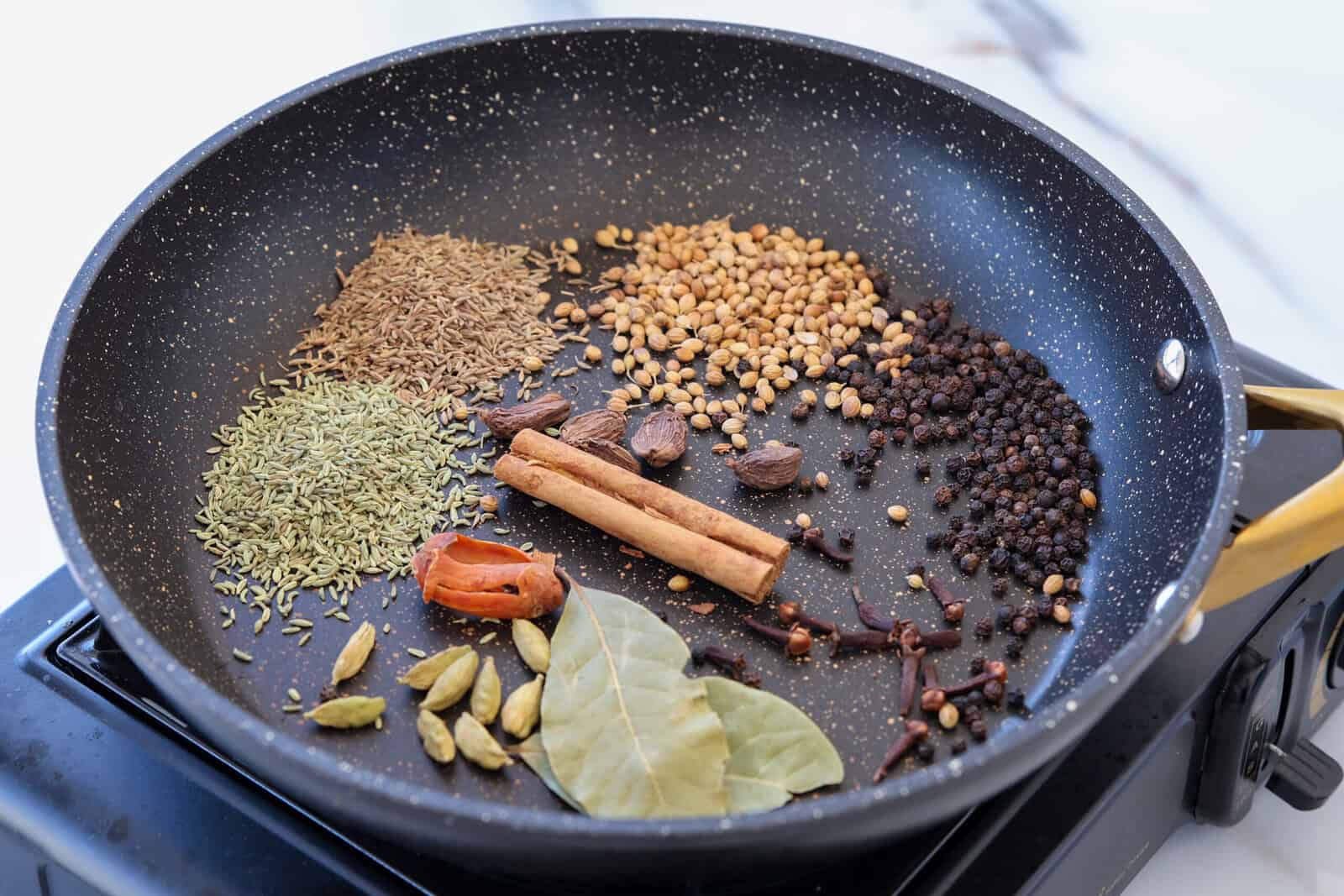
Garam masala is a warm, fragrant spice blend that’s a cornerstone of Indian cooking. The name literally translates to “hot spice mix,” but it’s not necessarily spicy in the way chili peppers are. Instead, it’s more about the warming qualities of the spices themselves, like cumin, coriander, cardamom, cinnamon, cloves, nutmeg, and black pepper.
While the exact ingredients vary from region to region (and even household to household), garam masala is all about balance. Some blends lean spicy, some earthy and smoky, and still others are sweet and floral. Making your own at home lets you tailor the flavor to your personal taste, which is yet another reason to try your hand at this easy recipe!
Ingredients & Substitutions
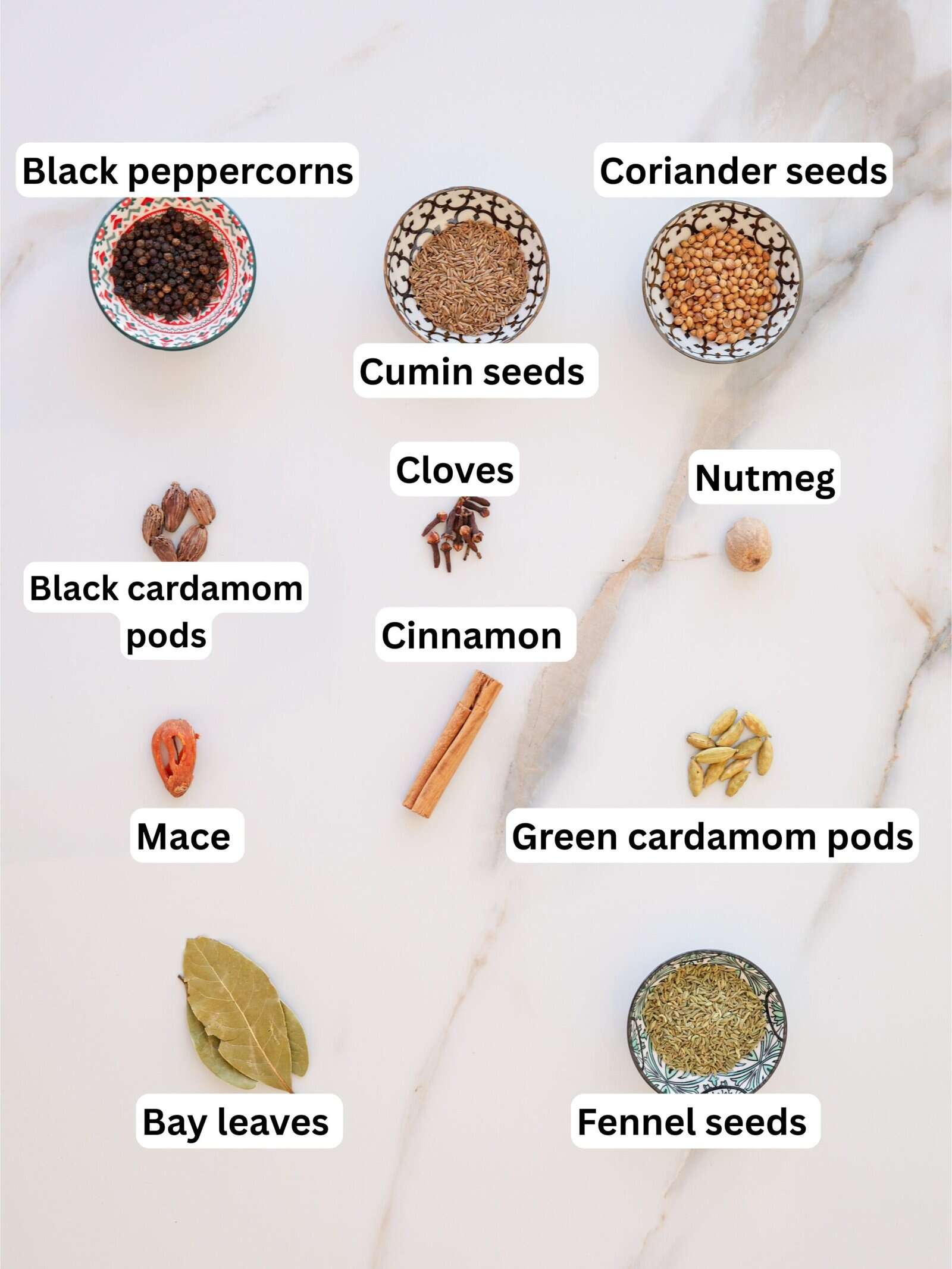
- Coriander Seeds – Lightly citrusy and slightly sweet, coriander seeds add a fresh, almost lemony note that balances the warmth of deeper spices.
- Cumin Seeds – Earthy, nutty, and just a bit smoky, cumin lends depth and a savory backbone to many warming spice mixes like this garam masala or taco seasoning.
- Black Cardamom Pods – These large pods have a bold, smoky flavor with notes of resin and menthol. They lend a deep, almost barbecued aroma that gives garam masala its signature intensity.
- Green Cardamom Pods – Sweet, floral, and delicately spicy, green cardamom brings an aromatic top note that brightens the blend.
- Black Peppercorns – Pungent and sharp, black pepper adds a gentle heat and a subtle bite that enhances the complexity of the masala. You can use any whole black peppercorns, but different varieties bring subtle nuances. Tellicherry peppercorns are larger and more aromatic, with a complex, fruity heat. Malabar peppercorns are slightly smaller and more intense, offering a sharp, spicy bite. For a more floral, citrusy twist, try Vietnamese or Sarawak peppercorns.
- Cloves – Powerfully aromatic with a sweet, almost medicinal bite, cloves bring a bold, warming spice that lingers and amplifies the richness of the masala.
- Cinnamon Stick – Sweet and woodsy with a touch of spice, cinnamon provides cozy warmth and a mellow sweetness that rounds out the mix. Try experimenting with spicy cassia vs. sweet, floral canela between blends to find your favorite.
- Bay Leaves – Herbal and slightly floral with hints of mint and pine, bay leaves add a soft background note. It’s important to note that Indian garam masala traditionally uses tej patta (Indian bay leaf), which has a more intense, cinnamon-y flavor than the Mediterranean bay leaves commonly found in Western kitchens.
- Mace – Optional, but lovely. Milder and slightly more floral than nutmeg, mace adds a subtle sweetness and warm perfume that lifts the whole blend.
- Fennel Seeds – Sweet, licorice-scented, and refreshing, fennel adds a surprising brightness and helps balance the heat of other spices.
- Nutmeg – Rich, warm, and slightly sweet, nutmeg lends a cozy depth and helps tie together the more pungent and floral notes in the blend.
Curry Powder vs. Garam Masala vs. Chaat Masala
It’s easy to confuse these spice blends, but they each serve very different culinary purposes.
Curry Powder is actually a British invention from colonial days. It was created to mimic the flavors of Indian cuisine for the mild, spice-averse palettes of Western cooks. It typically includes turmeric, coriander, cumin, fenugreek, and chili powder. It’s earthy, warm, and mildly spicy, making it great for stews, soups, and curry-style dishes.
Garam Masala, on the other hand, is a traditional Indian spice blend that varies by region and household. It skips the turmeric and focuses on warm, aromatic spices like cinnamon, cardamom, cloves, and black pepper. It’s often added toward the end of cooking to preserve its vibrant aroma and layered flavor.
Chaat Masala is a whole different flavor profile altogether. It’s tangy, funky, and a little salty. It’s made with spices like dried mango powder (amchur), black salt (kala namak), cumin, and asafoetida (hing). Unlike garam masala, which is savory and warming, chaat masala is sharp and zingy—perfect for sprinkling over fruit, snacks, or street food for an instant flavor boost.
Optional Variations & Dietary Adaptations
One of the beautiful things about garam masala is that there’s no single “correct” recipe. There are probably as many recipes as there are Indian families! So, while the blend I’m sharing is a well-balanced North Indian-style version that’s my personal favorite, there’s plenty of room to customize based on your taste or what you have on hand.
Other Spices to Include or Swap In:
- Dried Red Chili – If you love spicy foods, try adding a whole dried Kashmiri chili for mild heat, chili de arbol for medium heat, or bird’s eye chili for pungent heat. You can also add ground cayenne pepper to taste, or simply bump up how much black pepper you use.
- Dried Ginger – For a warm, peppery kick, especially nice in wintery dishes.
- Dried Orange Peel – A thick strip of orange rind adds citrusy brightness. It pairs beautifully with ginger!
- Star Anise – Adds a subtle licorice sweetness and a slight twist.
- Turmeric – Not traditional in garam masala, but if you’re blending for a curry base, a pinch can add earthiness and golden color.
- Ajwain (Carom Seeds) – Offers a sharp, thyme-like flavor.
- Mustard Seeds or Fenugreek Seeds – Bitter and pungent, these are more common in South Indian spice blends.
- Dried Rose Petals – Found in some Kashmiri garam masalas, rose petals lend a subtle floral note.
Regional Variations:
- Punjabi Garam Masala is typically heavy on black cardamom, cloves, and black pepper, making it perfect for rich meat dishes.
- Kashmiri Garam Masala leans more aromatic and floral, typically including more fennel and ginger powder and a sprinkle of dried rose petals. It’s often used in rice dishes.
- South Indian Masalas might include curry leaves, star anise, or even sesame seeds or nuts.
- Bengali Garam Masala is simpler, often made with just whole cardamom, cinnamon, and cloves that are tempered in hot oil.
Expert Tips & Tricks
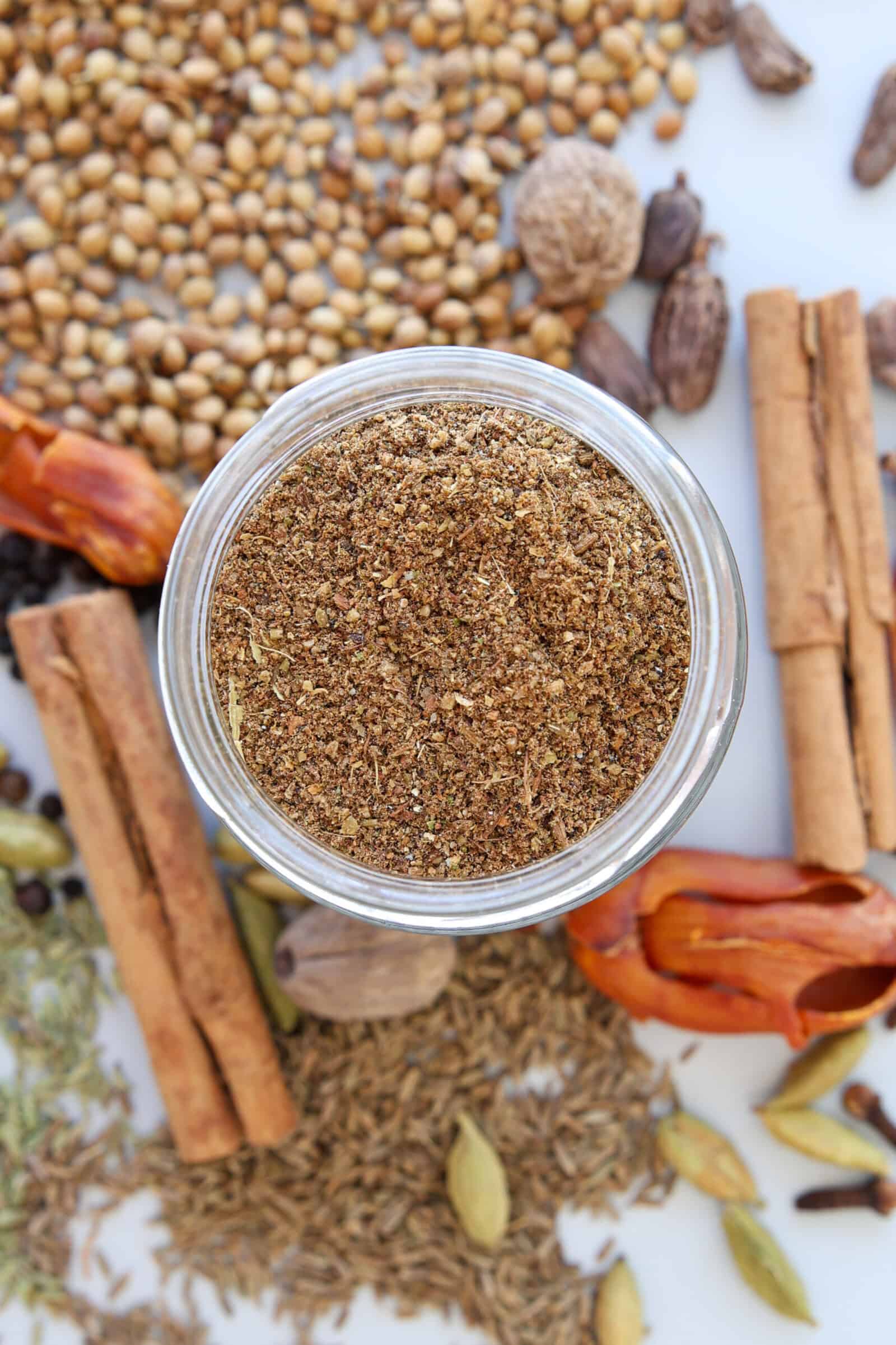
- Dry roast the whole spices. Gently toasting your spices in a dry skillet brings out their essential oils, deepening the aroma and flavor. Just be sure to stir frequently and keep a close eye on them.
- Toast gently, not aggressively. Spices can go from perfectly aromatic to bitter in a matter of seconds. Aim for a light toasting, removing them from heat as soon as they smell fragrant and start to darken slightly.
- Cool before grinding. Let the spices cool completely before grinding. Grinding them while warm can create steam, which leads to clumping and can dull the flavor.
- Use whole spices when possible. Whole spices keep their aroma far longer than pre-ground. I almost always buy whole spices and grind them myself for just this reason!
- Make small batches. Garam masala is most vibrant within a few weeks of grinding. To keep your blend tasting fresh and potent, make just what you’ll use in a month or so, and store it in an airtight container away from heat and light.
- No spice grinder? No problem. A dedicated coffee grinder works great for spice blends (just make sure it’s clean first!). A high-speed blender like a Vitamix can also do the trick. For a more traditional approach (or an upper-body workout) a mortar and pestle will give you beautifully textured results.
- Sift for smoothness. If you want an ultra-fine powder, consider sifting your garam masala after grinding to remove any stubborn bits. You can re-grind the larger pieces or reserve them for making cheesecloth spice sachets for soups and stews.
- Label your jar. It sounds simple, but if you make a custom blend or tweak the ratios, jot down the date and recipe so you can recreate your favorite version (or adjust it next time).
Garam Masala Uses
Garam masala is incredibly versatile, adding depth, warmth, and complexity to both savory and sweet dishes. Traditionally, it’s added toward the end of cooking or even sprinkled on just before serving to preserve its rich aroma and layered flavor. Just a pinch or two can completely transform a dish!
Here are some delicious ways to put your homemade garam masala to good use:
- Stir it into creamy curries like butter chicken or chicken tikka masala.
- Use it to season plant-based favorites like chickpea curry, lentil curry, or curry mac and cheese for a cozy, comforting twist.
- Add a dash to chicken meatballs with coconut curry to enhance the rich, spicy sauce.
- Sprinkle it over classic Indian rice dishes like chicken biryani just before serving for an aromatic boost.
- Fold it into the filling for savory appetizers like vegetable curry puffs or even adventurous dishes like meat-stuffed figs to add interest.
You can also try it in soups, lentils, marinades, or roasted vegetables. Once you get a feel for it, you’ll find yourself reaching for this blend more often than you’d expect, it’s a little jar of magic that brings the whole dish together.
Storage Instructions
To keep your homemade garam masala fresh and flavorful, store it in an airtight container in a cool, dark place—a pantry or spice cabinet away from heat and sunlight is ideal. Avoid storing it near the stove, as warmth and humidity can quickly dull its aroma.
For the best flavor, use your garam masala within 1 to 2 months, though it will still be safe to use for longer. If you make a larger batch, consider dividing it into smaller containers and sharing with friends and neighbors.

Easy Homemade Garam Masala Recipe
Equipment
Ingredients
- 1½ tablespoons (15 g) Coriander seeds
- 2 tablespoons (18 g) Cumin seeds
- 2-3 pods (6 g) Black cardamom pods
- 5-6 pods (4 g) Green cardamom pods
- 1½ tablespoons (7 g) Black peppercorns
- 10 cloves (4 g) Cloves
- 1 stick (5 g) Cinnamon
- 2 Bay leaves dried
- ⅛ Nutmeg grated
- 1 Mace optional
- ½ tablespoon (2 g) Fennel seeds
Instructions
- Dry roast the whole spices (except nutmeg) in a skillet over medium heat for about 2–3 minutes, stirring constantly. Roast until they’re aromatic but not burnt.
- Let the spices cool completely.
- Transfer to a spice grinder or high-powered blender and grind into a fine powder.
- Grate the nutmeg into the mixture and stir well.
- Store in an airtight glass jar in a cool, dark place for up to 3 months for best flavor.
Video
Notes
- No one recipe fits all: There’s no single “correct” recipe for garam masala. Every Indian region — and often every household — has its own variation. This is my favorite go-to blend,
- Toast gently: Don’t over-roast. Spices can burn quickly, turning bitter.
- Cool before grinding: Grinding hot spices can cause condensation and clumping.
- Use whole spices: Whole spices retain aroma longer than pre-ground ones.
- Batch size: Make small batches often to preserve freshness and potency.
- Want it spicier? Add 1 dried red chili, cayenne pepper, or more black peppercorns.
- No spice grinder? Use a coffee grinder, mortar and pestle (more effort), or a high-speed blender like Vitamix.
Nutrition
FAQs
The exact mix can vary, but garam masala is typically made from a blend of warm, aromatic spices such as coriander, cumin, black pepper, cardamom, cloves, cinnamon, and nutmeg. Some versions also include bay leaves, fennel, mace, or dried chilies, depending on the regional style or personal preference.
While no spice blend is an exact match for garam masala, a few come close in warmth and complexity. Tandoori masala and biryani masala are the most similar, as they often share many of the same ingredients (e.g. cumin, coriander, cloves, and cardamom) but are tailored for specific dishes and may include extras like paprika or turmeric for color.
Outside of Indian cuisine, baharat (a Middle Eastern blend) is quite similar, with its warm mix of black pepper, cinnamon, cloves, and nutmeg. Ras el hanout, a North African spice blend, is also aromatic and layered, though often more floral and sometimes includes unique spices like rose petals or dried lavender.
While these blends can offer a similar vibe, garam masala has its own distinct flavor profile. If you’re substituting, it’s best to start small and adjust to taste.
Garam masala can technically be considered a type of curry powder. “Masala” simply means “spice blend,” and both garam masala and curry powder are used to season Indian-inspired dishes, including curries.
But in practice, they’re quite different. The term “curry powder” as sold in the U.S. refers to a specific, turmeric-heavy blend created during British colonial rule to approximate Indian flavors. Garam masala, by contrast, is a traditional Indian spice mix that varies by region and family, and it doesn’t usually include turmeric.




love this spice blend and use it a lot.
Very useful recipe. I’m making curries on a regular basis, but never with homemade garam masala.
I will give this a try!