
Quick and Easy Tahini Sauce Recipe
This post may contain affiliate links.
Drizzle and dip your way to a tastier meal with my bright, nutty Lemon Tahini Sauce recipe! This fantastically versatile condiment is made with just 4 simple ingredients in just 5 minutes, making it one of the easiest ways to upgrade your plate.
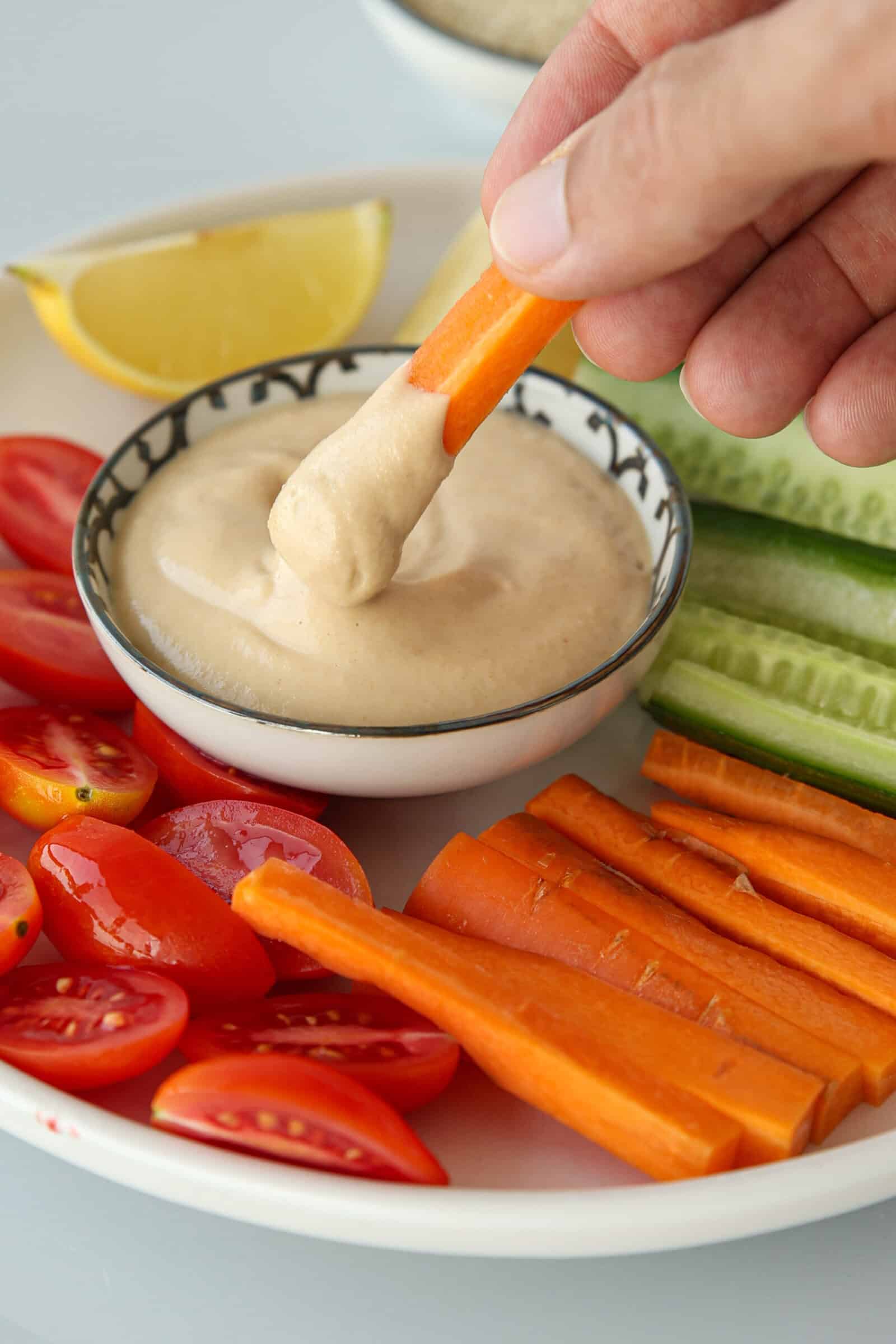
As a Middle Easterner, my love for anything made with homemade tahini runs deep. But of all the various ways to put the simple sesame seed paste to use, this lemon tahini sauce is the one I turn to most often. Why? It goes with just about everything! (Not to mention it takes mere minutes to whip up.)
Whether you use it to dress your favorite salad recipes, drizzle over any side dishes that need a little something extra, or use it as an appetizer-style dip, there are more lemon tahini sauce uses than I could possibly list in one post. Best of all? It’s naturally vegan and gluten-free, so just about everyone can get in on the yum.
Ingredients & Substitutions
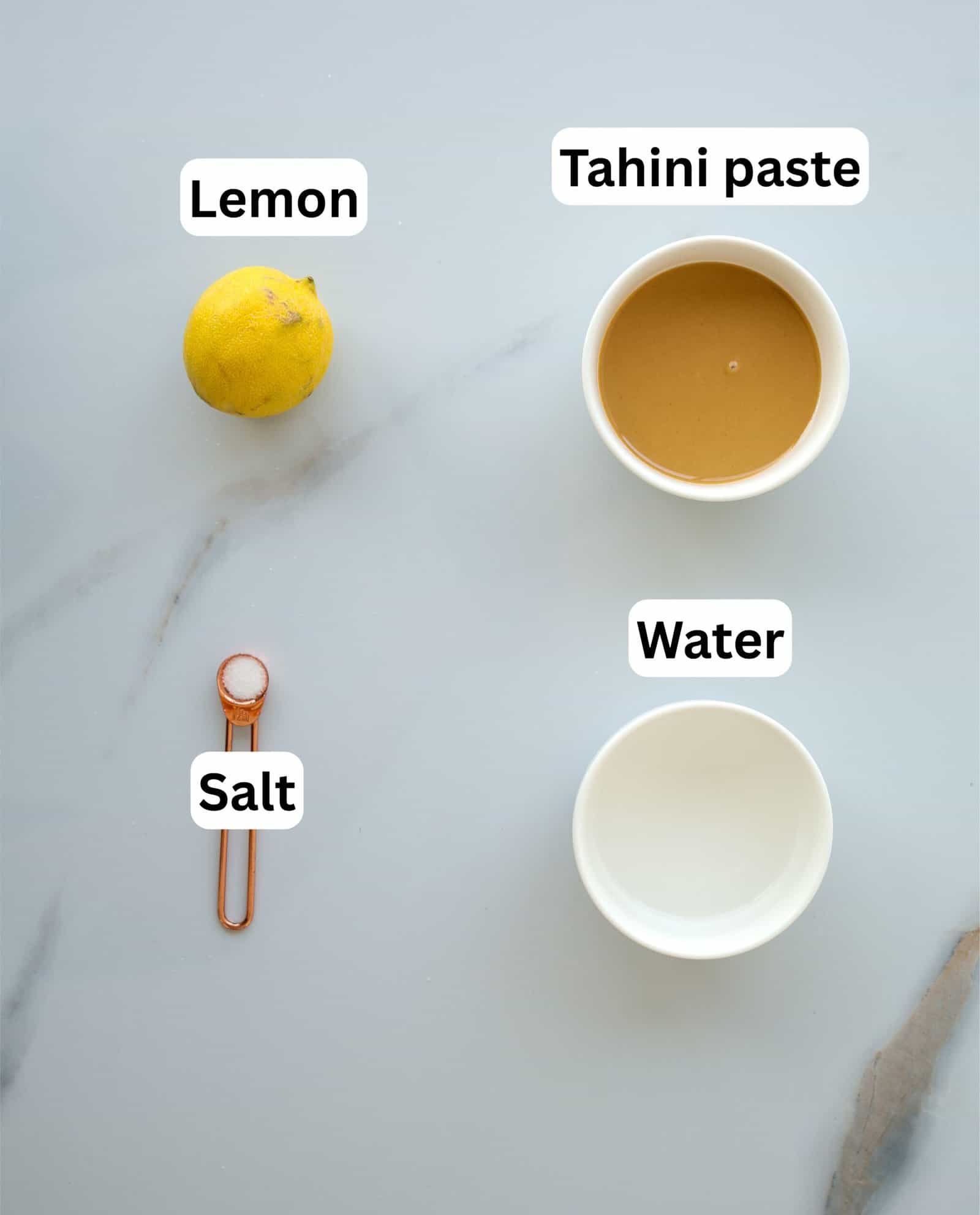
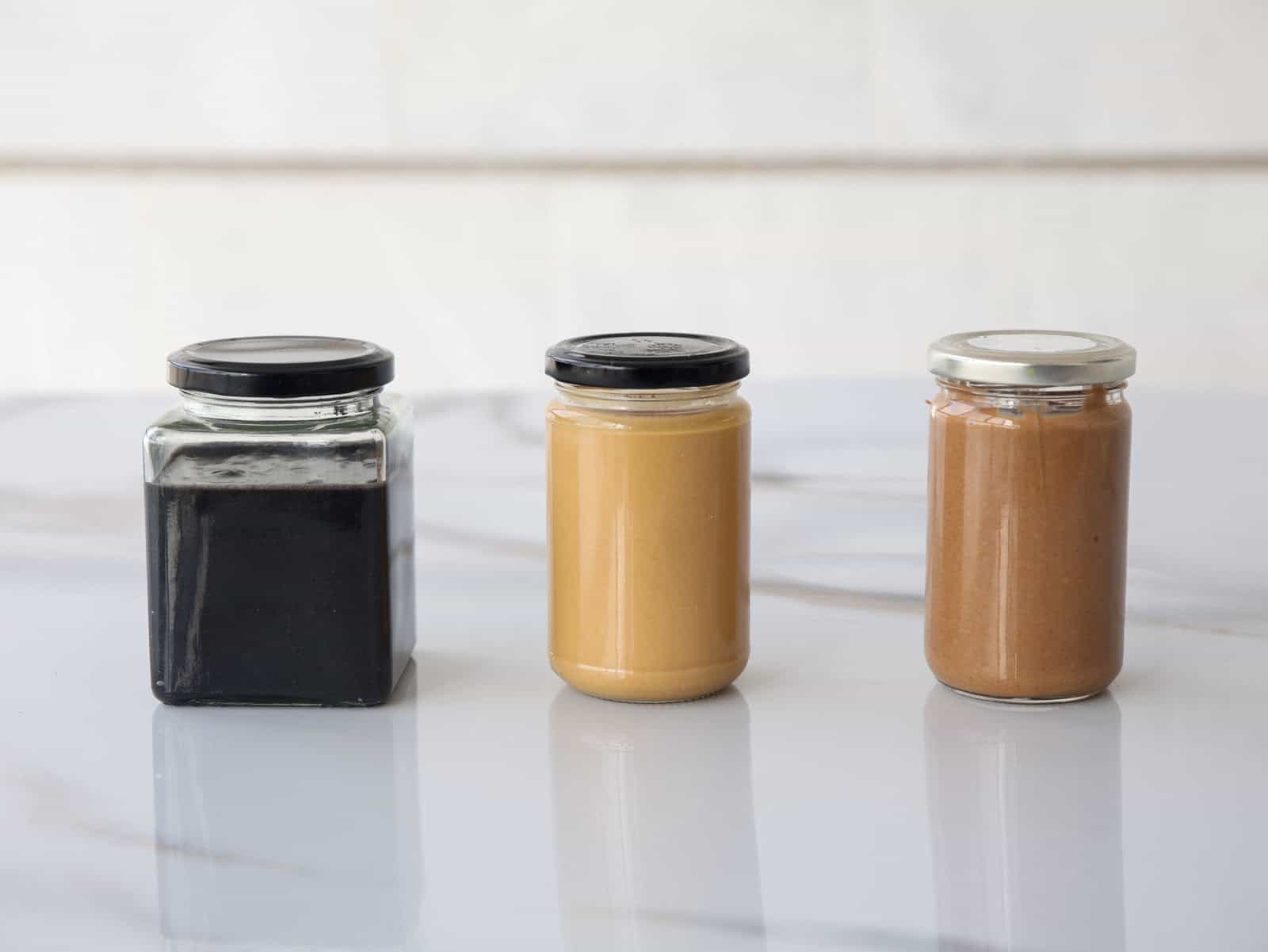
- Tahini – While you’re welcome to use any variety or brand, I typically make tahini sauce with hulled tahini paste. (Check out the difference between 3 types of tahini to choose for yourself.)
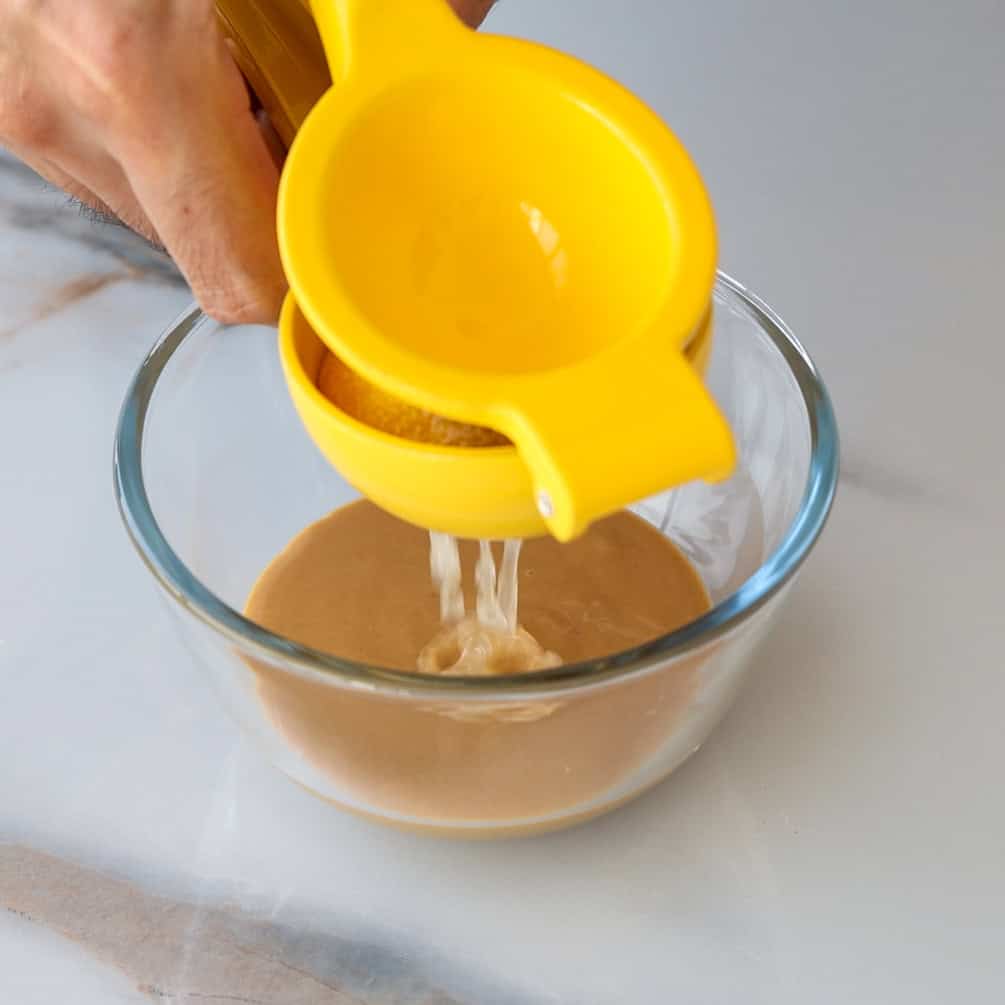
- Fresh Lemon Juice – “Fresh” is the operative word here. You can’t get the same brightness from a bottle! Roll your fruit firmly on the counter for 10-15 seconds before slicing open to help extract every last drop.
- Ice Water – Cold water is key, so don’t be shy with the ice.
- Salt – Every sauce needs a little seasoning. Opt for kosher salt or fine sea salt instead of iodized table salt, which tastes a bit bitter.
- Optional: Ground Cumin, Paprika, Fresh Garlic – These optional additions can be mixed and matched to change the flavor profile of your tahini sauce. Feel free to use sweet, spicy, or smoked paprika!
This is just a short review of the ingredients; for the complete recipe, including quantities, scroll down to the recipe card 👇
Tahini Paste vs. Tahini Sauce – What’s the Difference?
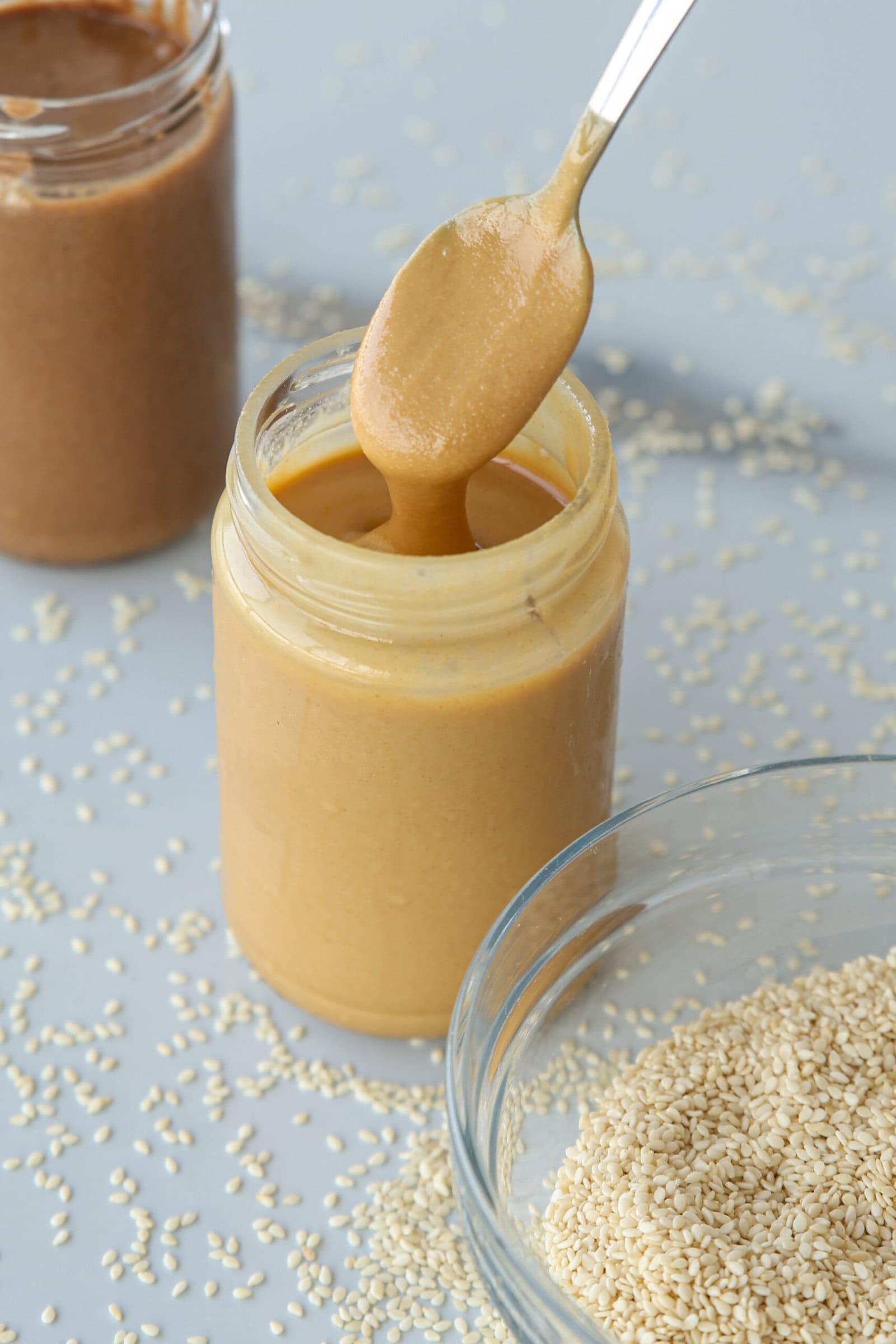
While they share the same roots, tahini paste and tahini sauce aren’t quite the same thing. Tahini paste is simply made from ground sesame seeds and has a thick, rich, nutty texture similar to natural peanut butter. It’s a base ingredient used in Middle Eastern and Mediterranean cooking, forming the foundation for recipes like homemade hummus, baba ganoush, and halva.
Tahini sauce, on the other hand, starts with tahini paste but includes additional ingredients, typically lemon juice, water, and salt, and sometimes garlic or herbs, to create a lighter, more balanced flavor. The result is a thinner, pourable consistency that’s perfect for drizzling over just about any of your favorite savory dishes.
In short, tahini paste is more of an ingredient, while tahini lemon sauce is the bright, tangy, and ready to serve condiment.
Tahini Consistency
You’ll be surprised but there’s no “one perfect” consistency for tahini sauce, it all depends on how you plan to use it. Some dishes need a thin, pourable sauce, while others shine with a thicker, creamier texture.
- For drizzling (falafel, shawarma, roasted vegetables, grain bowls), keep it light and pourable — almost like heavy cream.
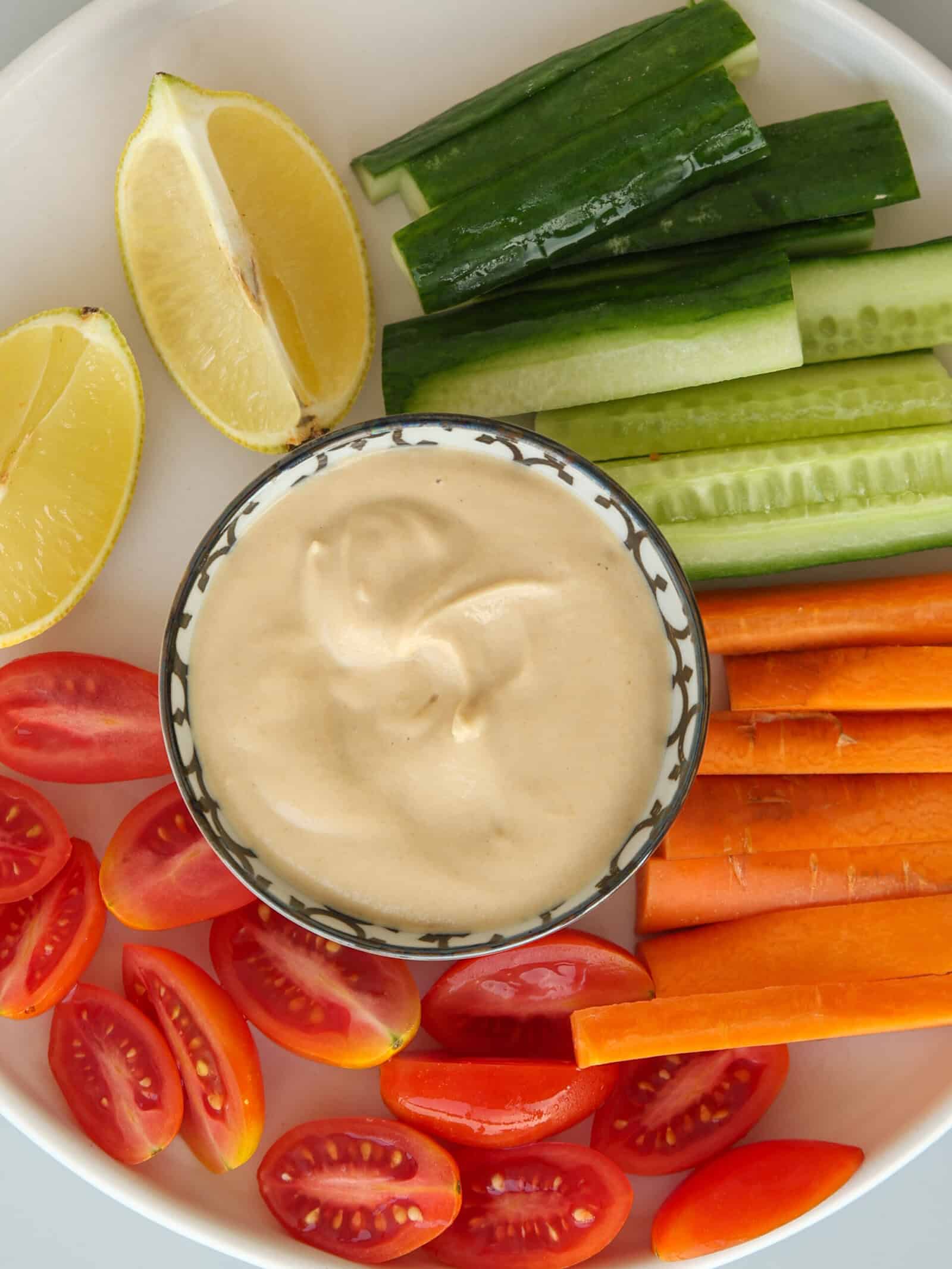
- For dipping (warm pita, cauliflower, sweet potato wedges, crudités), make it thicker and scoopable, similar to yogurt.
- For spreading (sandwiches, wraps, mezze plates), aim for a creamy, hummus-like consistency that won’t run.
Don’t be afraid to adjust: simply add cold water to thin it out, or whisk in a little extra tahini to thicken it.
How to Make Authentic Tahini Sauce
Watch the full video recipe to learn how to make the PERFECT Creamy Tahini Sauce Recipe.
Prefer the written recipe? Scroll down to the recipe box for the full written recipe! 👇
Optional Variations & Dietary Adaptations
Whether you like it tangy, spicy, or herb-packed, tahini sauce is one of those recipes that can transform with just a few small tweaks. Here are a few ideas to inspire you:
- Green Tahini Sauce – Blend in a handful of fresh parsley, cilantro, dill, or mint for a vibrant herby twist that pairs beautifully with grilled meats, falafel burgers, and roasted veggies.
- Garlic Tahini Sauce – Add more lemon juice and a clove or two of fresh garlic for a more assertive flavor that’s perfect for shawarma or grain bowls.
- Spicy Tahini Sauce – Stir in a drizzle of olive oil and a pinch of chili flakes, cayenne, or smoked paprika for warmth and depth.
- Tahini Dipping Sauce – Whisk in a spoonful of Greek yogurt for a smoother, milder sauce that doubles as a dip.
- Sweet & Savory – Add a touch of honey or maple syrup to balance the bitterness of tahini. It’s great for drizzling over roasted carrots or grain salads.
- Extra Citrusy – Swap some of the lemon juice for orange or lime juice to give the sauce a brighter, more nuanced acidity.
- Asian Style – Mix in a teaspoon of soy sauce or miso paste for an earthy, umami undertone that works wonderfully in noodle bowls and Asian-inspired dishes.
Expert Tips & Tricks
- There’s no single formula. Every tahini brand and variety has a different texture, oil content, and bitterness level, so don’t be afraid to adjust. If your sauce is too thick, add water a tablespoon at a time; if it’s too thin, whisk in a little more tahini until it’s perfectly creamy.
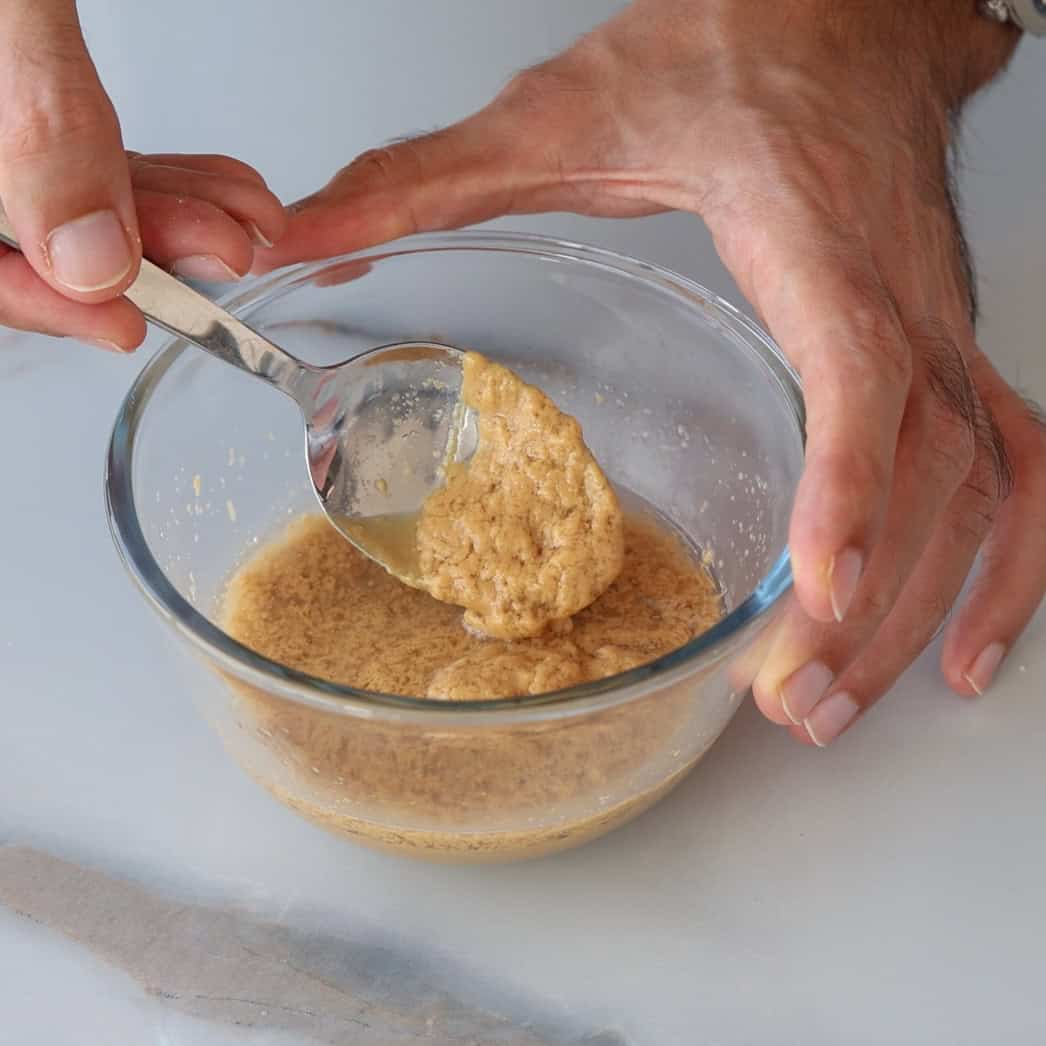
- Don’t panic if it seizes or separates. Tahini can look grainy or curdled at first when mixed with liquid. That’s completely normal! Just keep whisking (or blending), and it will quickly emulsify into a smooth, silky sauce.
- Adjust the consistency for how you’ll use it.
- For drizzling over falafel, shawarma, or roasted veggies, aim for a thin, pourable texture.
- For dipping with warm pita, crudités, or cauliflower, go for a thicker, creamier consistency.
- Use ice-cold water. Ice water helps the tahini sauce whip up lighter and fluffier, creating a pale color and velvety texture.
- Whisk or blend slowly. Add the water and lemon juice gradually rather than all at once. This gives you better control over both consistency and flavor intensity.
- Taste and adjust at the end. Tahini sauce mellows as it sits, so before serving, give it one last taste. You might want a touch more salt, lemon, or even a drizzle of olive oil to bring it to life.
How To Use Tahini Sauce
Authentic lemon tahini sauce is one of those magical condiments that goes with just about everything. It’s fantastic drizzled over crispy falafel, chicken gyros, doner kebab, roasted cauliflower, sweet potato fritters, or Buddha bowls. Or, spread it inside wraps and sandwiches instead of mayo, adding creamy richness and a bright, citrusy lift to every bite.
Thin it out a bit and use it as a salad dressing for hearty kale salad or fattoush salad. It also makes a wonderful dip for fresh veggies, warm pita, or homemade french fries. For a vibrant Middle Eastern mezze platter, serve it alongside baba ganoush, hummus, and tabbouleh.
And don’t forget about breakfast or brunch! It’s great in an omelet tortilla wrap, served alongside a slice of Spanish tortilla, or as a dip for baked carrot patties. Honestly, I could go on and on about different ways to use tahini sauce, but I’m going to leave it here. Let me know what your favorite ways to use it in the comments below!
How to Store Tahini Sauce
- Refrigerate: Store lemon tahini sauce in an airtight jar or container in the refrigerator for up to 5 days.
- Freezing (Optional): You can freeze tahini sauce in a freezer-safe container or covered ice cube tray for up to 2 months. Thaw in the fridge overnight and whisk well before using.
- Stir Before Serving: Natural separation may occur as it sits. Just stir or whisk to bring it back to a smooth, creamy consistency.
- Adjust Texture: The sauce may thicken slightly when chilled. If needed, whisk in a splash of cold water or lemon juice before serving to loosen it.
Quick and Easy Tahini Sauce Recipe
Ingredients
- ⅓ cup (80 g) Tahini paste
- 2-3 Lemon juice fresh
- ¼ cup (60 ml) Ice water or more as needed
- ¼ teaspoon Salt
Optional:
- Pinch Cumin
- Pinch Paprika
- 1 clove garlic crushed
Instructions
- Combine all ingredients: In a medium bowl, whisk together the tahini, lemon juice, ice water, and salt. Add the optional garlic, cumin, or paprika if desired.
- Whisk until smooth and creamy: At first, the mixture may look curdled, thick, or separated. Don’t worry, this is completely normal. Keep whisking vigorously until it turns pale, smooth, and creamy.
- Adjust consistency: If the sauce is too thick, whisk in more cold water, 1 tablespoon at a time, until you reach the desired texture. If the sauce is too thick, add an extra tablespoon of tahini to balance it out. Taste and adjust salt or lemon juice to your liking.
Video
Notes
- No single formula: Every tahini brand has a different texture and oil content, so you may need to adjust water or tahini until the sauce is creamy and balanced.
- Don’t panic if it separates: Tahini naturally reacts this way when mixed with liquids. Keep whisking — it will quickly emulsify into a silky sauce.
- Tahini sauce consistency: Different purposes require different textures. For drizzling (over falafel, shawarma, or roasted veggies), use a thinner, pourable consistency; for dipping, make it thicker and creamier.
- Storage: Keep in a sealed jar in the fridge for up to 5 days. It may thicken, just whisk in a bit of water before serving.
- Flavor ideas:
- Add chopped herbs (parsley, cilantro) for a green tahini.
- Mix in more lemon and garlic for a bold, tangy flavor.
- Add olive oil, chili flakes, or paprika for richness and spice.
Nutrition
FAQs
It depends on the recipe, but classic tahini sauce is made from tahini paste (ground sesame seeds) mixed with lemon juice, water, and salt, sometimes with garlic or herbs added for extra flavor.
Tahini sauce has a rich, nutty, and slightly earthy flavor. There’s a hint of bitterness from the sesame seeds, balanced by the bright tang of lemon and a touch of salt. When made well, it should be creamy, savory, and perfectly smooth with a light, toasty depth.
Tahini sauce and tzatziki are both creamy Mediterranean condiments, but they’re made from very different bases. Tahini sauce is vegan and sesame-based, made from tahini paste, lemon juice, water, and salt, with a nutty, earthy flavor. Greek tzatziki, on the other hand, is yogurt-based and made with cucumber, garlic, lemon, and herbs, giving it a cool, tangy, and refreshing taste.





I just made it to try it with fresh veggies. It was so good. I didn’t add any garlic, I prefer it this way.