
Easy 3-Ingredient Lemon Posset in a Lemon Shell
This post may contain affiliate links.
Next time you’re hankering for a spoonful of sunshine, make my delightfully tart, spectacularly simple recipe for Lemon Posset in a lemon shell! This classic British pudding has a soft, creamy consistency and a bright citrusy flavor, the perfect end to any fancy dinner.
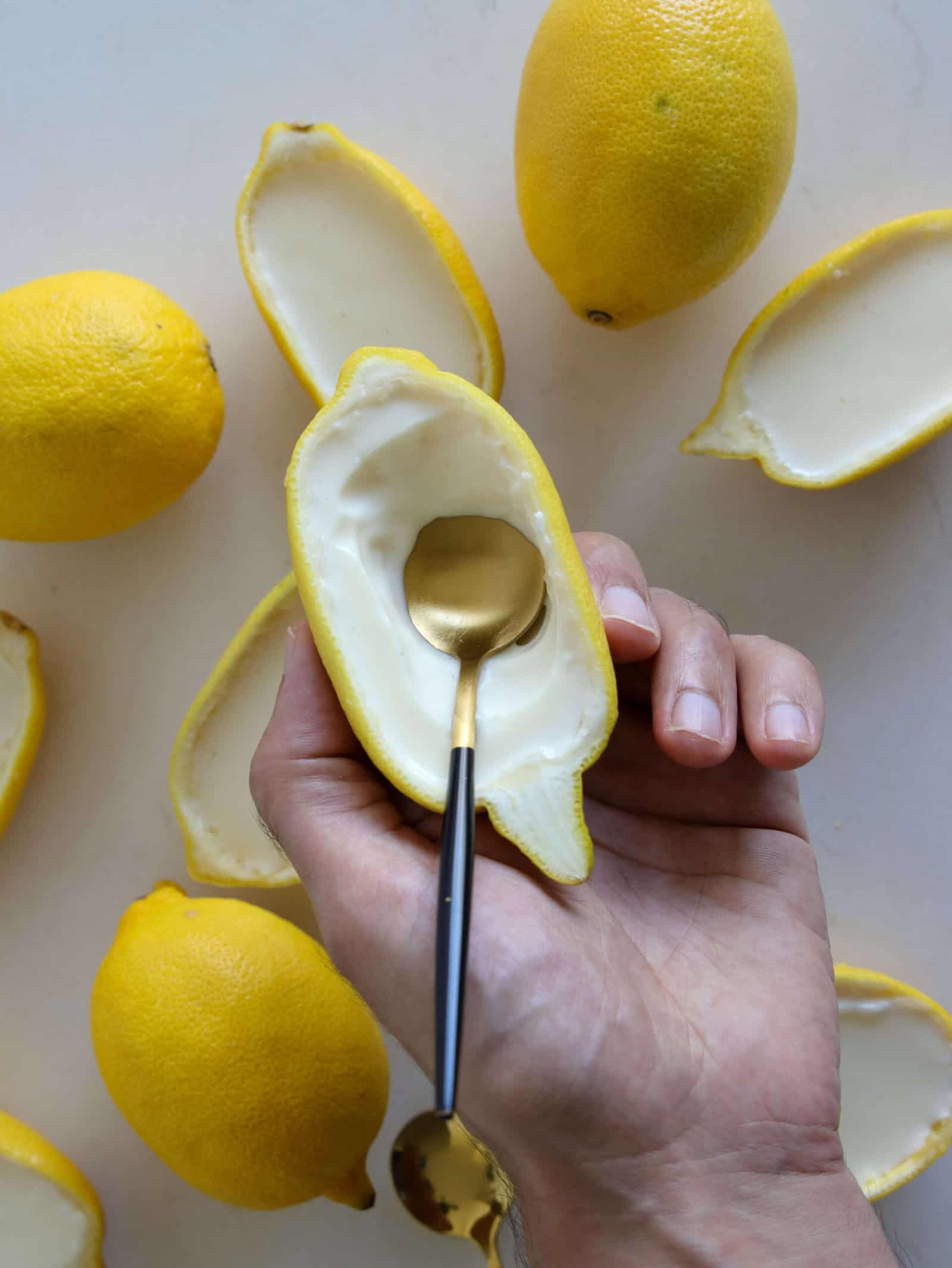
I’ve always been partial to lemon-flavored desserts, but lemon posset holds a special place in my heart. All you need are 3 ingredients, one pan, and 15 minutes of prep work, but the adorably self-contained results are stunning. Imagine the concentrated puckery flavor of lemon curd, but with a consistency that’s closer to slightly melted 3-ingredient lemon ice cream. Yum!
How to Make Lemon Posset in Lemon Shells
Watch the full video recipe to learn how to make the BEST Lemon Posset Dessert.
Prefer the written recipe? Scroll down to the recipe box👇
Ingredients & Substitutions
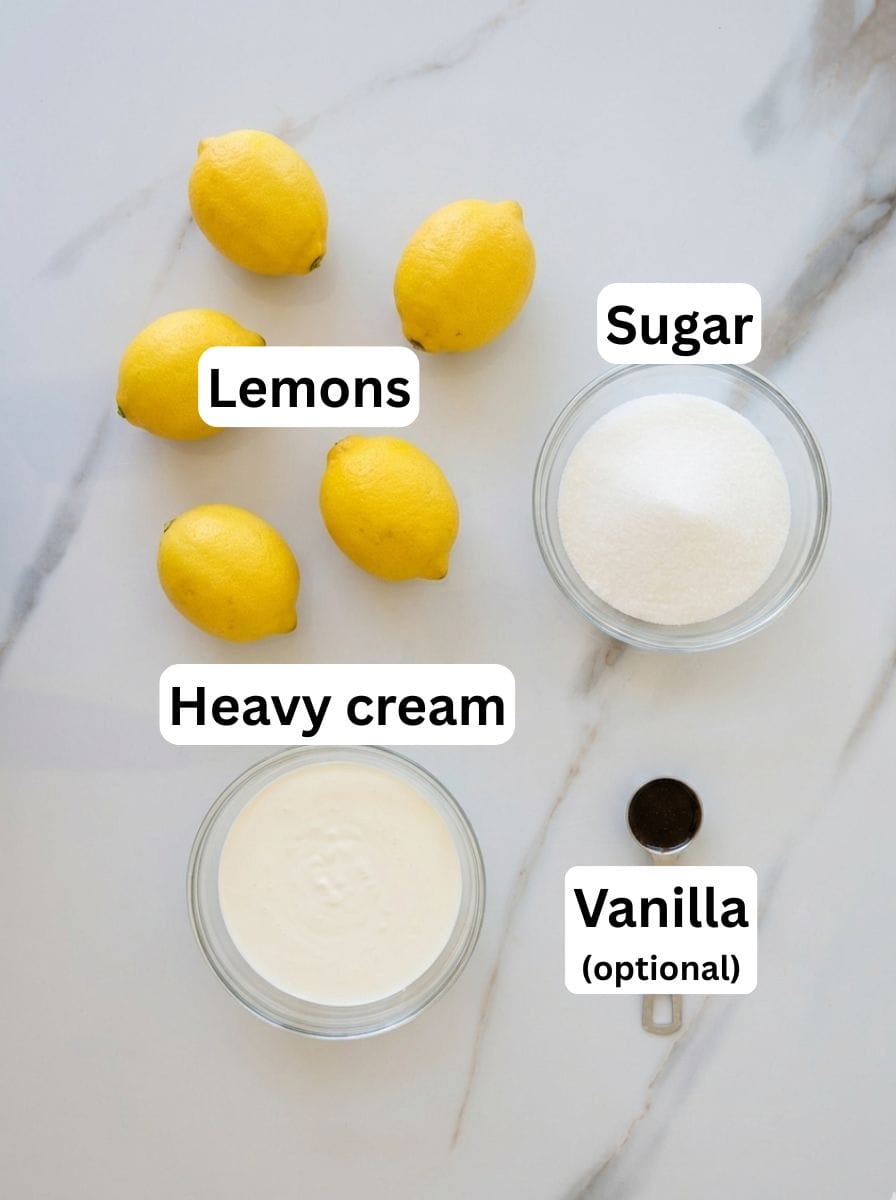
- Lemons – We’ll need plenty of fresh lemon juice and zest to make the citrusy flavor pop. And, while you’re welcome to use regular ramekins or cocktail coupes for easier plating, serving lemon possets in lemon shells makes for a particularly showstopping surprise that just so happens to cut down on dishes. 😉
- Granulated Sugar – White sugar has a neutral flavor, so the bright acidity of lemons and the natural sweetness of cream can shine. If needed, you can swap in an equal amount of pure cane sugar for a less refined option, or use an equal amount of caster/superfine sugar.
- Heavy Cream – Also known as “double cream” across the pond, with a minimum of 36% milkfat, this is the most decadent dairy you can get your hands on. In a pinch, you can use slightly lighter “whipping cream” (30-36% milkfat), but the resulting posset might not be quite as firm after setting if you do.
- Vanilla Bean Paste – Optional, but nice for softening the edges and adding a hint of warmth.
This is just a short review of the ingredients; for the complete recipe, including quantities, scroll down to the recipe card 👇
What is posset?
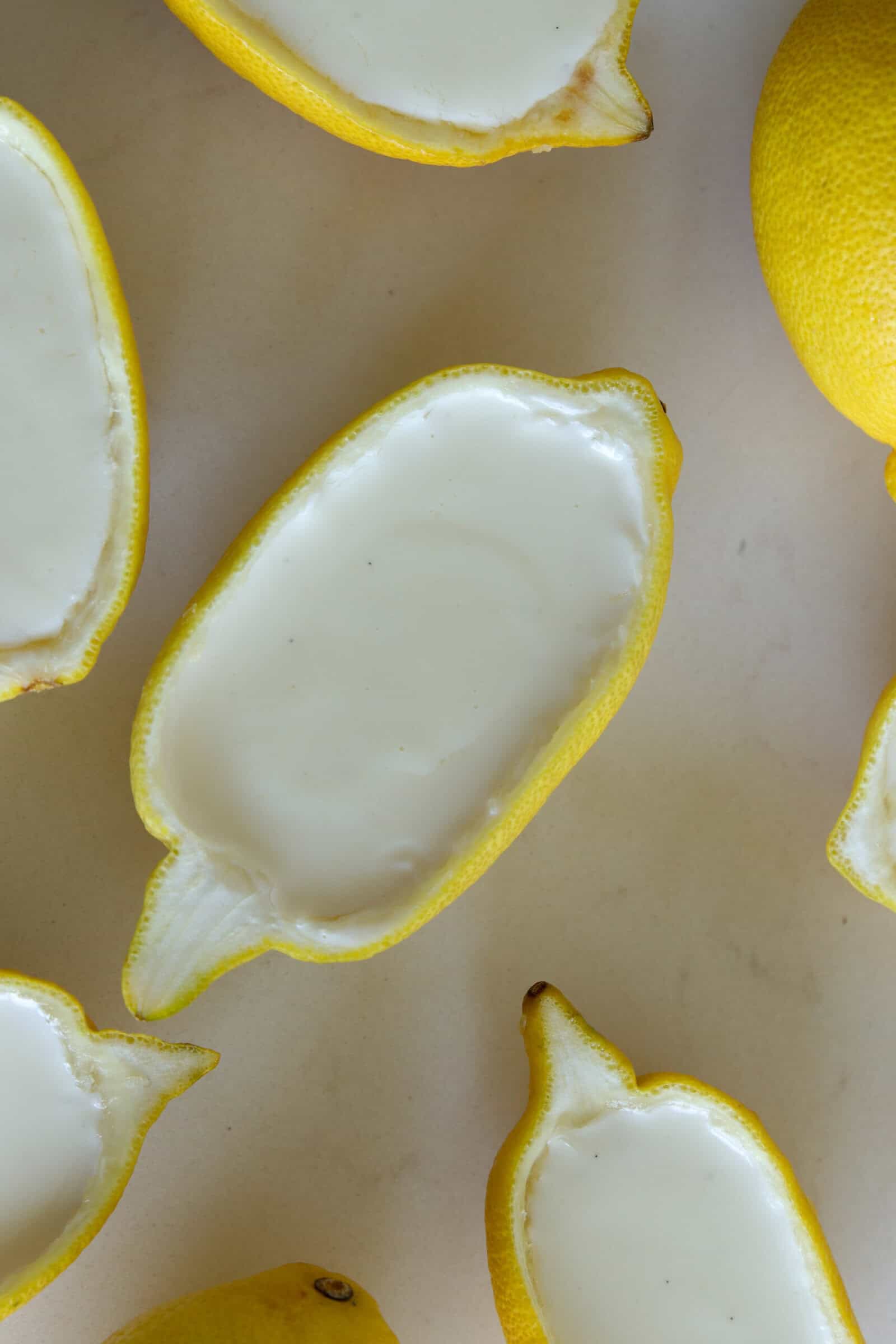
A posset is a classic British dessert that’s surprisingly simple, yet feels incredibly elegant. At its core, posset is made from just cream, sugar, and citrus juice (most commonly lemon). There are no eggs, no gelatin, and no baking involved. Instead, the magic happens when the acid from the citrus naturally thickens the cream, creating a silky, spoonable custard-like texture. The result is a dessert that’s rich and creamy like panna cotta or my easy 4-ingredient crème brûlée, but brighter and lighter.
Because it relies on such a short ingredient list, posset is all about technique and balance. When made correctly, it’s proof posset-ive (sorry, couldn’t help myself 😂) that a few simple ingredients can create something truly remarkable.
Historically, posset dates back to medieval England, where it began as a warm, spiced drink made with milk or cream, sugar, and wine or ale as a remedy for colds. Over time, the recipe evolved into the posset dessert we know today, especially popular in England for dinner parties and holidays because it looks fancy but takes minimal effort.
Optional Variations & Dietary Adaptations
- Vegan Posset – Swap in your favorite dairy-free cream (e.g. full-fat canned coconut cream or vegan whipping cream) for a vegan-friendly twist. Note that coconut cream will impart a faint tropical flavor, not a bad thing, but just be aware!
- Lemon-Lime Posset – Swap some of the lemon juice/zest for fresh lime juice and lime zest. It keeps the dessert bright and tangy, but adds a slightly more tropical, punchy citrus flavor.
- Ginger Lemon Posset – Add a small amount of fresh grated ginger (or a pinch of ground ginger) while heating the cream, then strain it out before chilling. It adds a gentle warmth that pairs beautifully with lemon, especially in winter.
- Berry Lemon Posset – Spoon a little raspberry coulis or strawberry chia seed jam into the bottom of each serving glass before pouring in the posset mixture. It creates a pretty layered look and adds a sweet fruity contrast to the tart lemon.
Expert Tips & Tricks
- Use heavy cream (not half-and-half). Posset needs enough fat to set properly, so stick with heavy cream for that thick, silky texture.
- Zest the lemons before juicing. It’s much easier to zest a whole lemon than a squeezed one, and the zest adds a bold lemony aroma without extra acidity.
- Don’t let the cream boil aggressively. Bring it to a gentle simmer, not a rolling boil. Too much heat can cause scorching and change the final texture.
- Simmer long enough to dissolve the sugar. Make sure the sugar is fully dissolved before adding the lemon so the posset turns out smooth (not grainy).
- Add the lemon juice off the heat. Once you remove the pot from the heat, stir in the lemon juice. This helps prevent curdling and keeps the texture creamy.
- Strain for the smoothest finish. If you want a super silky posset, pour the mixture through a fine mesh strainer before dividing into cups, especially if you added zest or any infused flavors.
- Chill until fully set. Posset needs time in the fridge to thicken properly. Give it at least 4 hours, but overnight is even better for the best texture.
- Serve it cold. Lemon posset is meant to be served chilled, cold brings out the tangy citrus flavor and makes the texture feel extra rich and creamy.
How to Store Lemon Posset
- Store lemon posset covered in the refrigerator for up to 3 days. It actually holds up really well, making it a great make-ahead dessert for dinner parties or holidays.
- For the best texture, cover each serving cup with plastic wrap or transfer leftovers to an airtight container so the posset doesn’t absorb any fridge odors.
- Freezing isn’t recommended, since the creamy texture can become grainy or separate once thawed.
More Lemon Dessert Recipes
Easy 3-Ingredient Lemon Posset in a Lemon Shell
Ingredients
- 5 Lemons
- ⅓ cup (80 ml) Lemon juice
- 2 tablespoons Lemon zest
- ½ cup + 2 tablespoons (125 g) Sugar
- 2 cups (480 ml) Heavy Cream aka Double cream
- 1 teaspoon Vanilla bean paste optional
Instructions
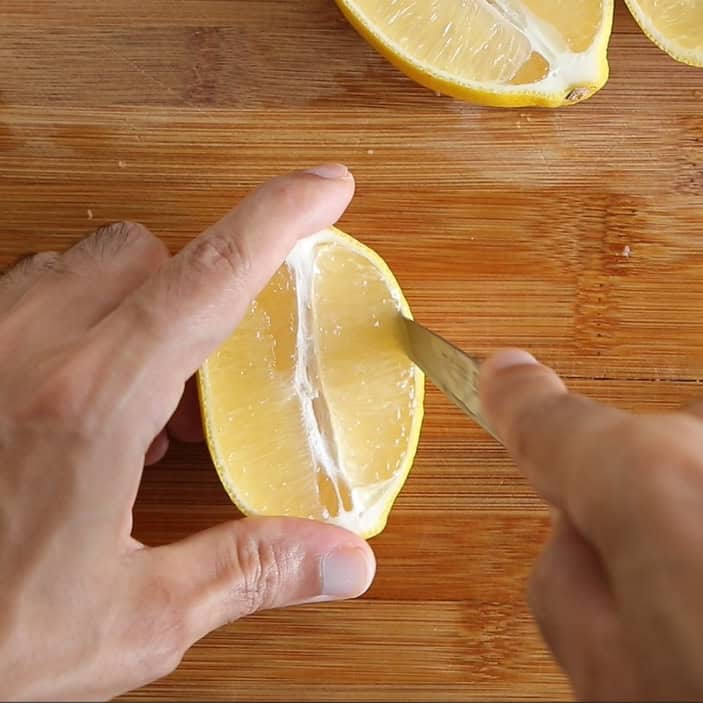
- Prepare the Lemon Shells: Wash and dry the lemons. Cut in half lengthwise and carefully scoop out the flesh.
- Strain the pulp and squeeze ⅓ cup lemon juice. Set aside.
- Make the lemon cream: In a saucepan, combine sugar, lemon zest, and cream. Bring to a gentle simmer over medium-low heat, stirring constantly. Once simmering, cook for about 3 minutes, until small bubbles appear and the mixture slightly thickens.
- Finish & Chill: Remove from heat, whisk in the lemon juice, and let cool for 10 minutes.
- Strain the mixture through a fine-mesh sieve to remove the zest (optional but recommended for a smoother texture).
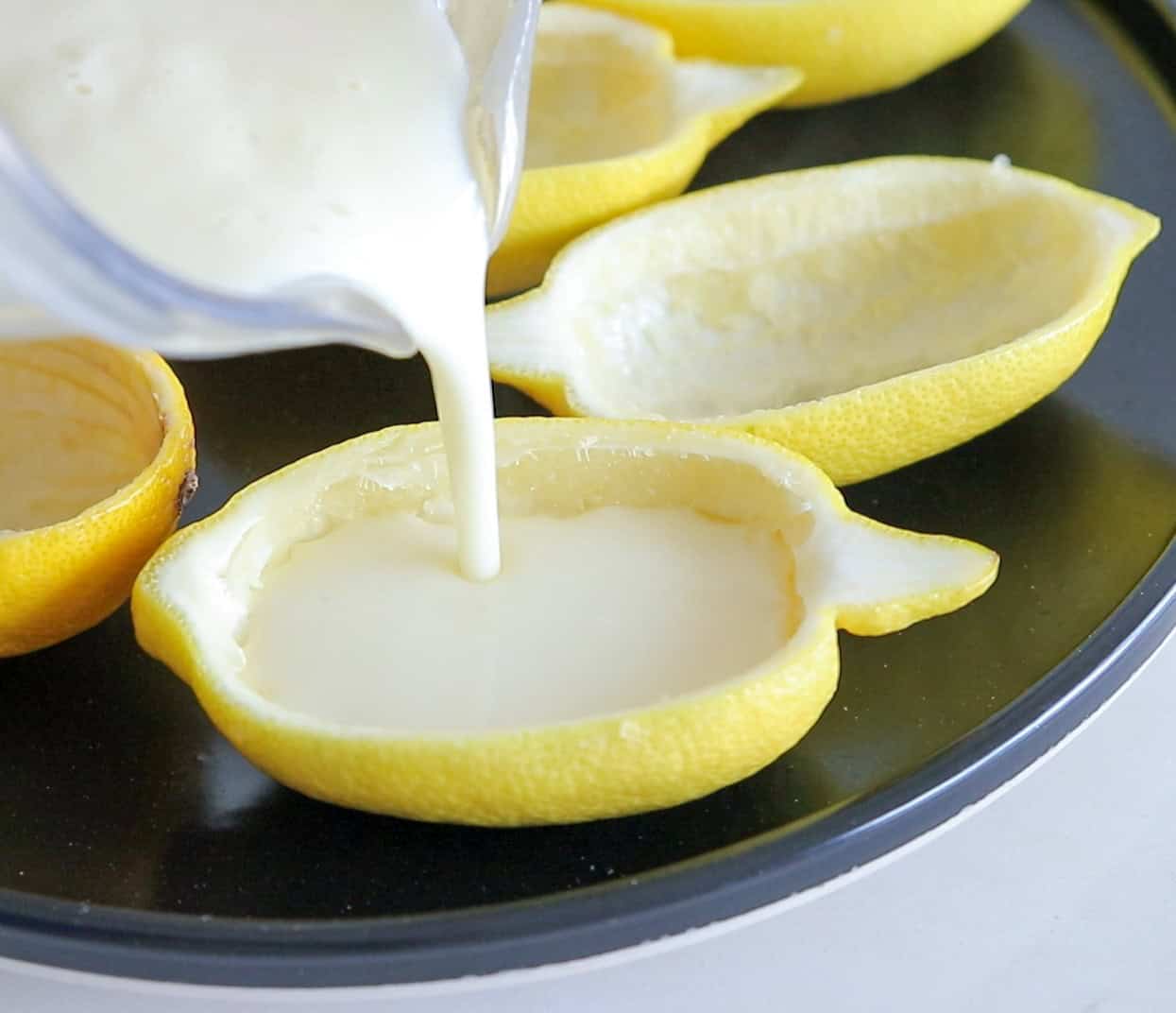
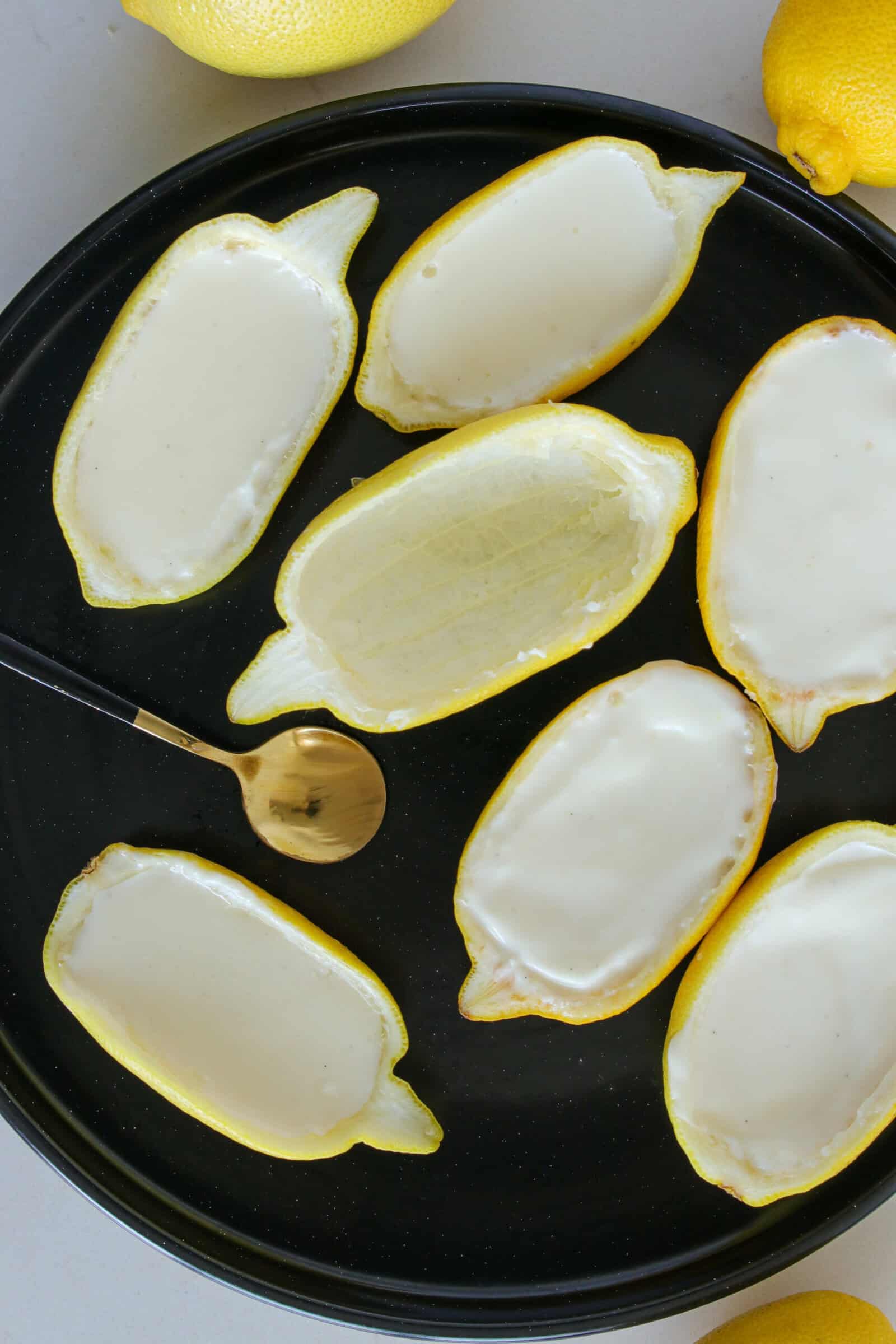
- Carefully pour the lemon posset into the prepared lemon shells, or into small glasses or ramekins.
- Allow to cool to room temperature, then refrigerate for at least 2 hours, or until fully set. Keep covered in the fridge until ready to serve.
Video
Notes
- Straining the zest: Straining is optional, but highly recommended if you want a silky-smooth, restaurant-style texture.
- Serving options: Lemon shells make a stunning presentation, but the posset works just as well in ramekins, small glasses, or dessert cups, especially if you’re serving a crowd.
- Chilling time: Don’t rush the chilling process. The posset needs enough time in the fridge to fully set and develop its signature creamy texture.
- Storage: Store lemon posset covered in the refrigerator for up to 2 days. It’s best enjoyed fresh.
Nutrition
FAQs
If your lemon posset didn’t set properly, it’s likely due to not simmering the cream long enough or not using enough lemon juice. The cream needs to simmer for about 3 minutes to activate the thickening process, and the acidity from the lemon juice is essential to curdling the cream and creating the right texture. Make sure to use fresh lemons and measure the juice accurately.
Yes, you can substitute lemon juice with other citrus fruits like lime, orange, or grapefruit. However, keep in mind that the flavor will change according to the fruit you use. Lime will provide a tart punch, while orange and grapefruit will create a sweeter, milder dessert. Make sure to adjust the amount of sugar based on the sweetness of the citrus.
Yes, you can make a dairy-free version by substituting the heavy cream with full-fat coconut cream. While the flavor will have a subtle coconut undertone, the texture will still be creamy and smooth. Make sure to use a thick coconut cream for the best results.
A lemon posset is a classic creamy dessert made with heavy cream, sugar, and fresh lemon juice that sets into a smooth, custard-like texture as it chills with no eggs or gelatin needed.
Lemon posset tastes rich, creamy, and silky-smooth, with a bright sweet-tart lemon flavor that keeps it from feeling too heavy. Think of it like a cross between a light lemon pudding and a soft panna cotta, with a fresh citrus “zing” in every bite.
Not exactly. Posset and panna cotta are similar, but they’re not the same. Posset is made with cream, sugar, and citrus juice, and it sets naturally because the acid thickens the cream as it chills. Panna cotta is made with cream and sugar too, but it’s set with gelatin, which gives it a firmer, more jiggly texture.






I’d love to make this for my wife but she’s not a fan of sugar. If I were to use a substitute like Stevia, how much would I use?
Yes, you can substitute the sugar with Stevia! If you’re using a Stevia blend (1:1 sugar replacement), use 125g. Keep in mind that Stevia may slightly affect the texture and flavor, so taste and adjust as needed. Please let me know how it turns out.
Just wanted to say thank you. ait was my first posset and it was so good, and also easy to make.
Do you add the vanilla bean paste before or after cooking?
After.
Quick couple of questions…
– is it 1/4 or 1/3 cup lemon juice? The ingredient list indicates 1/3 while step 3 mentions 1/4 cup.
– will it set if I substitute a non-dairy ingredient such as coconut cream?
Thanks. Love the channel!
Hi,
It is 1/3 cup lemon juice.
I have never tried making it with other milk, so I can’t really tell.
I imagine coconut cream would not set, because the lemon juice won’t curdle it.
You may want to add some gelatin, agar, or a starch to help it thicken and set.
Coconut cream has plenty of fat (except low fat) so it should still set and have wonderful results.