
Carrot Cake Cheesecake
This post may contain affiliate links.
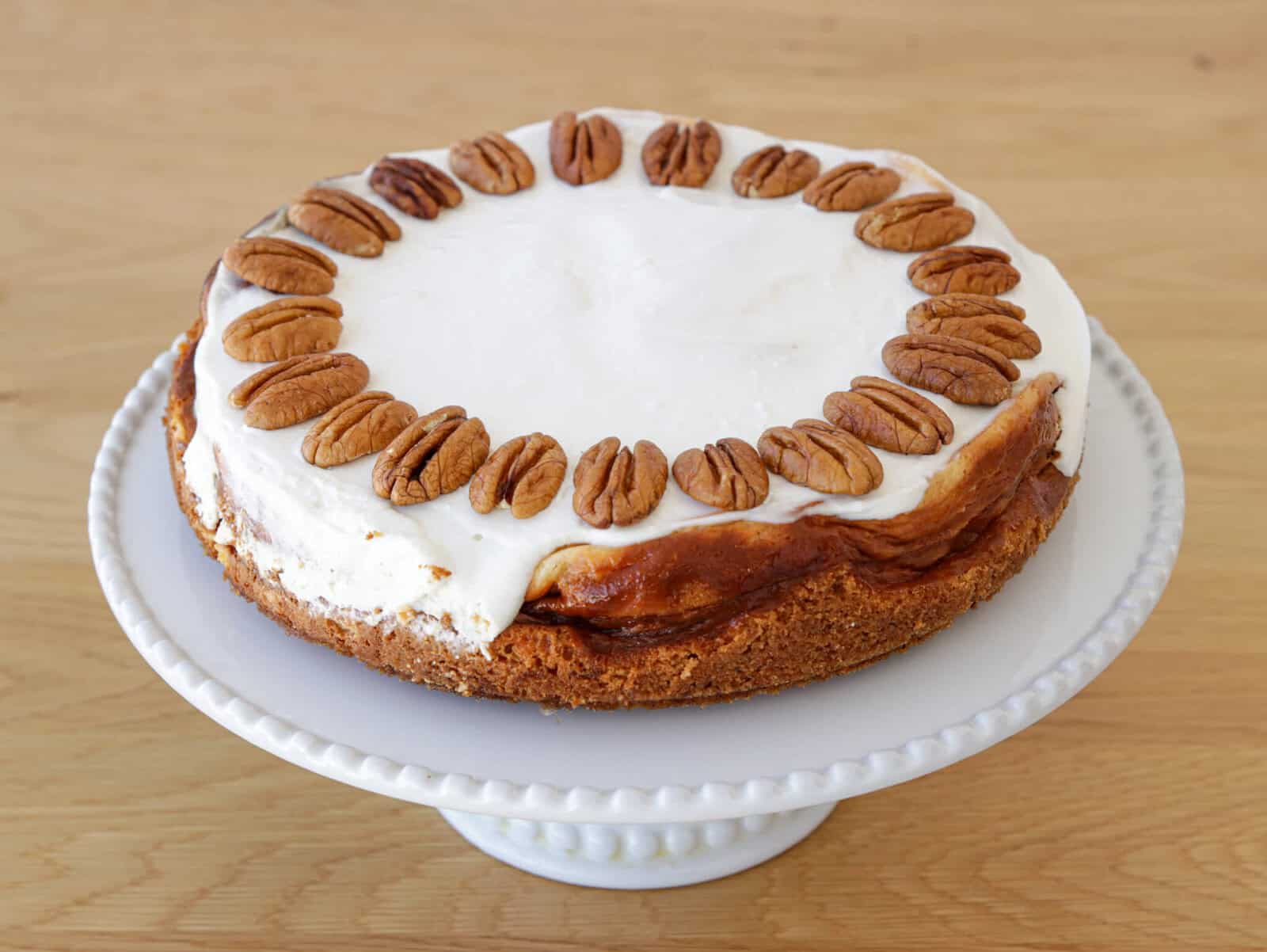
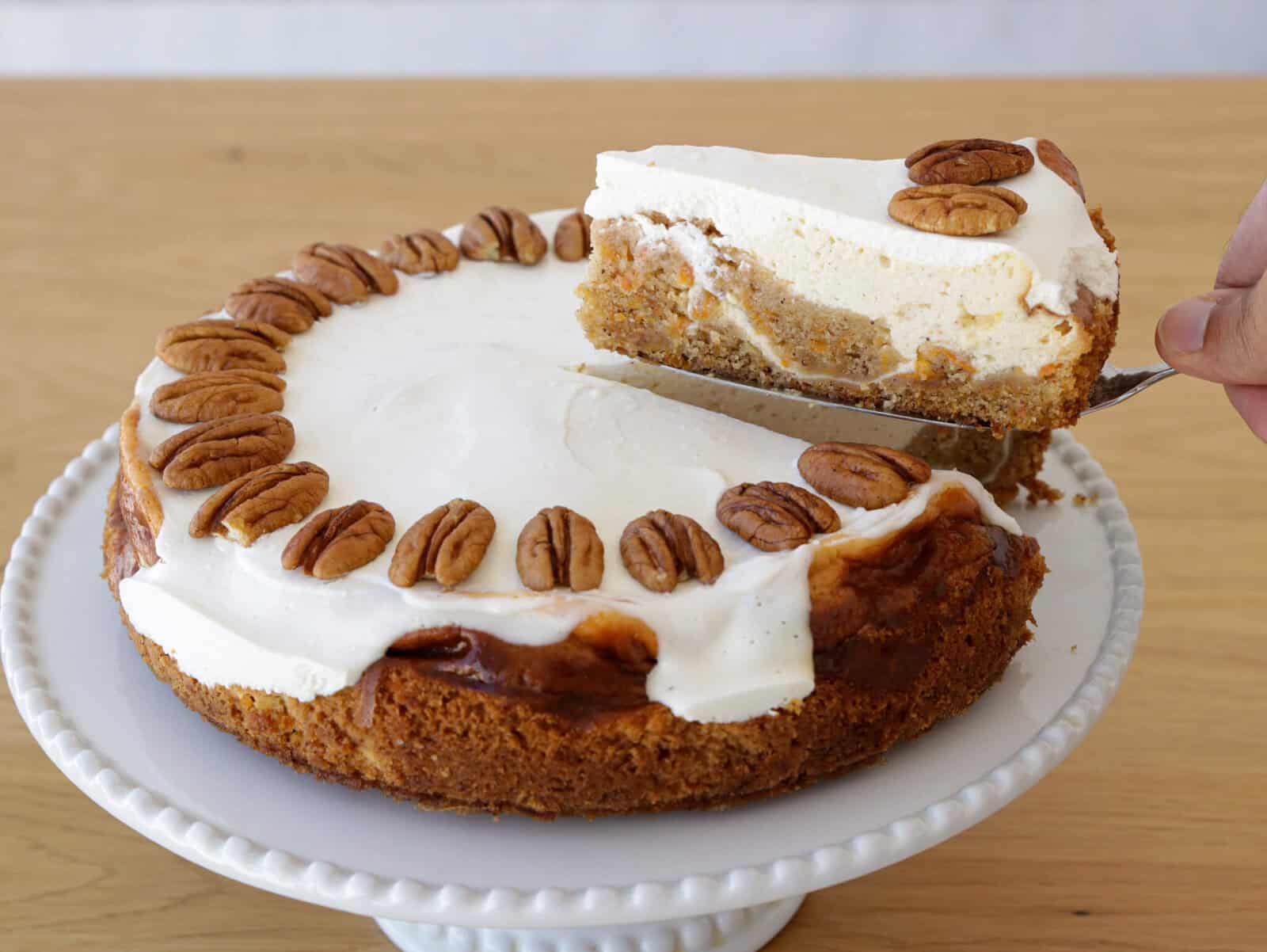
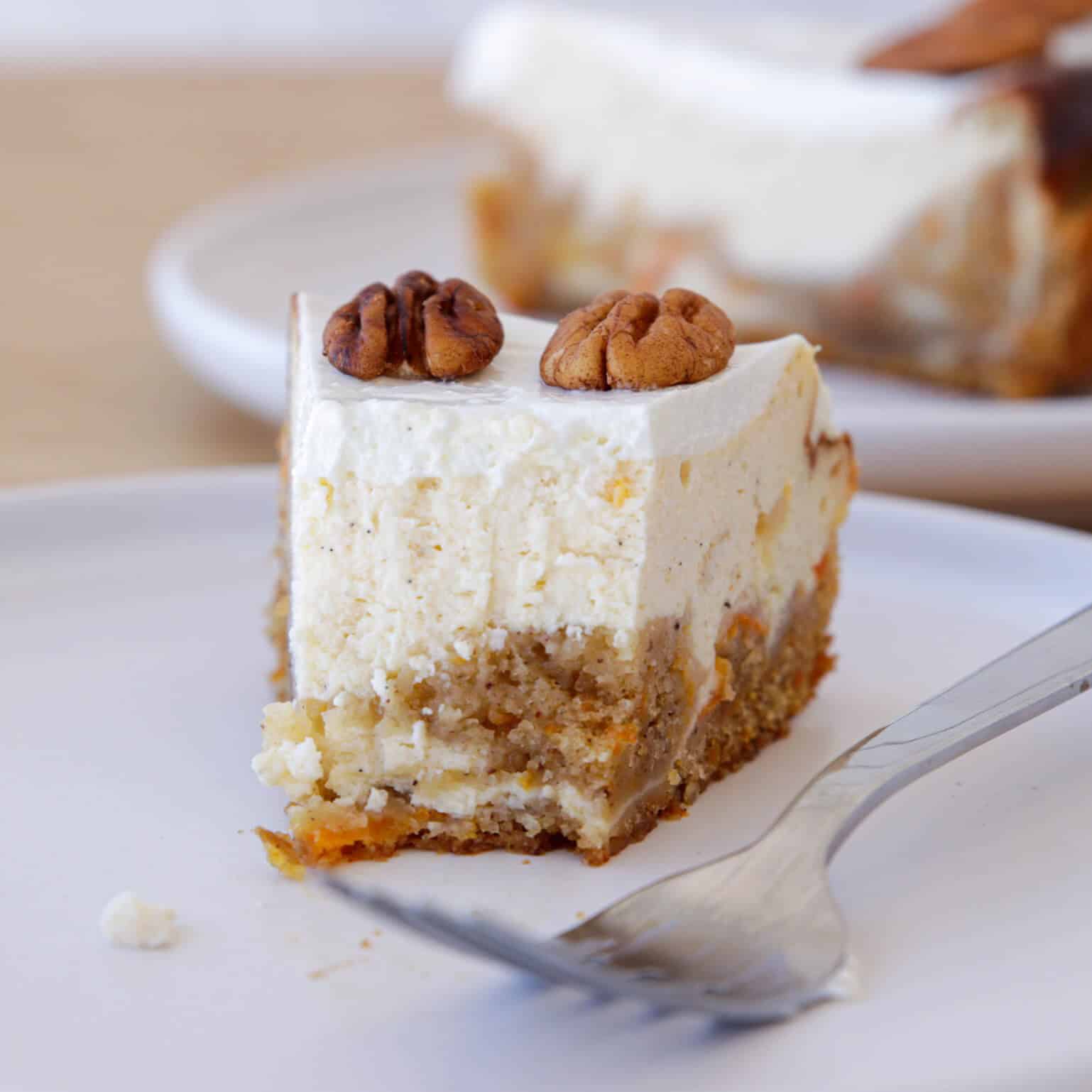
If you’re looking for a stunning springtime treat for your dessert table, look no further than this yummy Carrot Cake Cheesecake recipe. It’s the ultimate mashup: creamy-dreamy cheesecake, fabulously moist carrot cake, a layer of tangy sour cream frosting, and crunchy pecans, all in one slice!
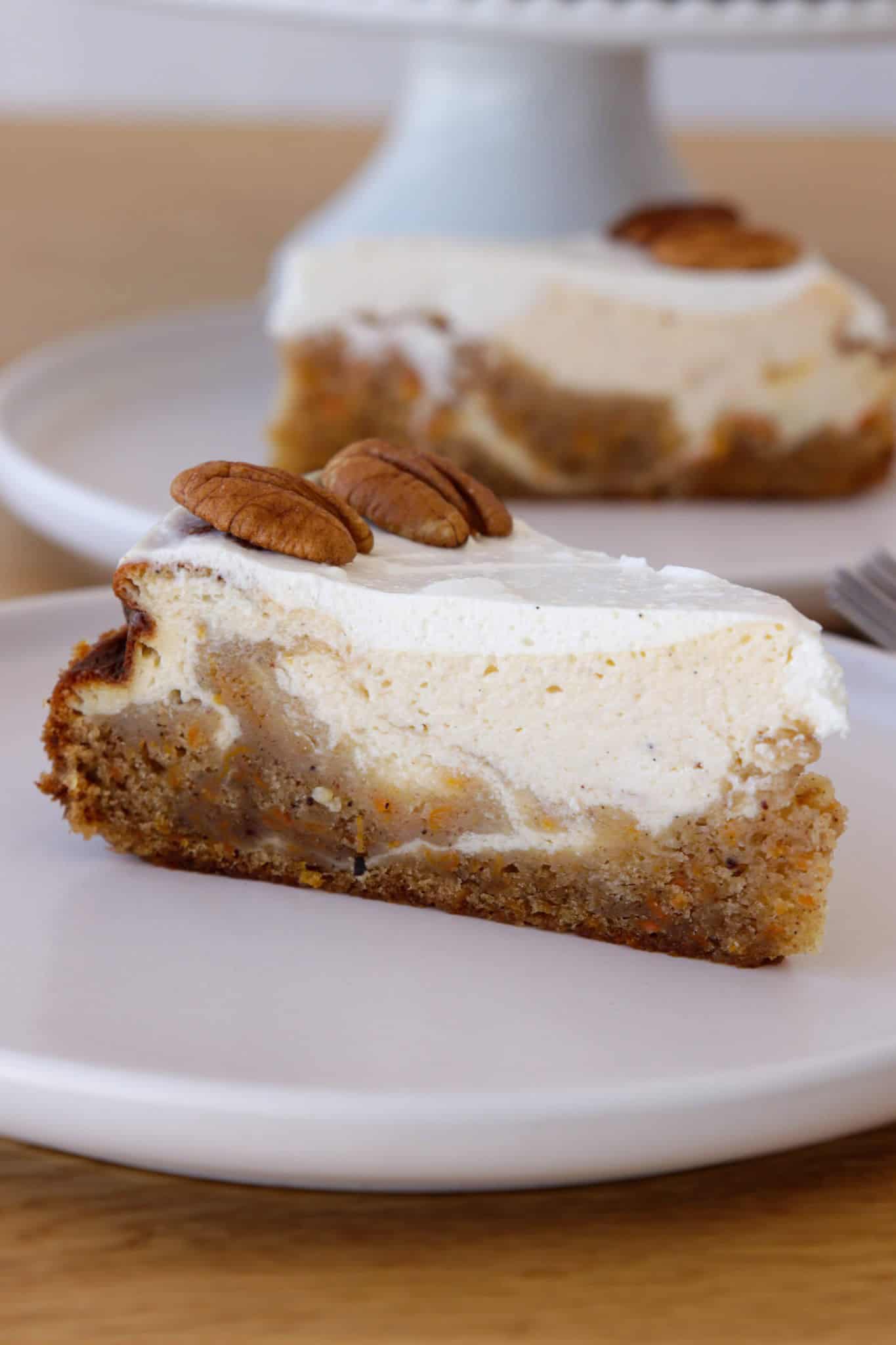
The only thing that could possibly give carrot cake with cream cheese frosting a run for its money is this carrot cake cheesecake. It’s the perfect dessert for when you can’t decide between classic cheesecake and everyone’s favorite spring cake recipe! As something of a cheesecake expert with dozens of cheesecake recipes on my site, I can vouch that this one definitely makes the top 3.
I originally published this recipe in 2024 and have since updated it with new photos, improved instructions, and extra success tips.
Ingredients & Substitutions
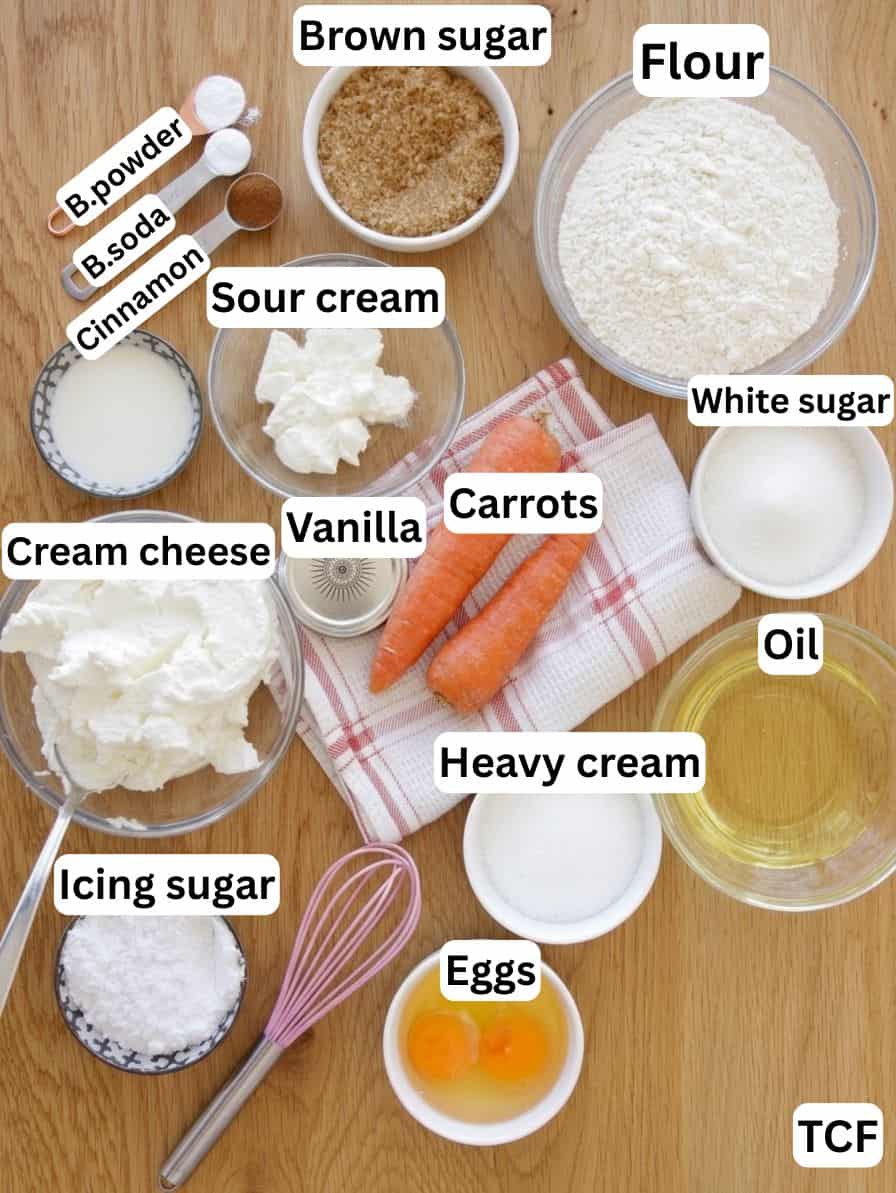
- All-Purpose Flour – Also known as “plain flour.”
- Baking Powder & Baking Soda – You’ll need both leaveners to ensure the carrot cake layer rises to its fluffiest heights.
- Ground Cinnamon – A key flavoring for carrot cake. Have fun experimenting with spicier cassia cinnamon vs. sweeter, more floral Mexican cinnamon.
- Vegetable Oil – Use any neutral oil like canola or avocado.
- Granulated Sugar, Brown Sugar & Powdered Sugar – Three types of sugar means this carrot cheesecake means business! Feel free to use either light or dark brown sugar.
- Large Eggs – If you’re using a different size, note that each large egg is a scant ¼ cup.
- Vanilla Extract & Vanilla Bean Paste – Both do a fantastic job of imparting the aromatic warmth and sweetness of vanilla, but the paste adds gorgeous black flecks to anything it touches. Feel free to use them interchangeably.
- Grated Carrots – Finely grate for the best texture. Avoid pre-shredded carrots.
- Cream Cheese, Sour Cream & Heavy Cream – Full-fat dairy is ideal here. After all, cheesecake isn’t a diet food! Make sure to reach for block-style cream cheese, not the kind that comes in a tub.
- Raw/Caramelized Pecans – If you use raw pecans, give them a quick toast first to release all their nutty potential. Caramelized pecans or pralines are also an option if you want another layer of sweetness!
This is just a short review of the ingredients; for the complete recipe, including quantities, scroll down to the recipe card 👇
Carrot Cake Cheesecake: Video Recipe
Watch the full video recipe to learn how to make the best carrot cake cheesecake.
Prefer the written recipe? Scroll down to the recipe box 👇
No Water Bath Needed
As someone who bakes a LOT of cheesecakes, I’m generally a proponent of using a water bath (bain marie). Why? While they’re a little fussy, baking cheesecake in a water bath is the best way to prevent cracks and promote even baking. But, good news. You don’t need to use a water bath to make this layered carrot cake cheesecake!
Because this recipe layers carrot cake batter with cheesecake batter, it bakes differently than a classic cheesecake. The cake layers act as insulation, helping the cheesecake bake more gently and evenly, so there’s no need for a water bath.
In a traditional cheesecake, a water bath helps regulate temperature and prevent cracks. Here, the carrot cake layers naturally do that job, giving you a creamy, smooth texture with much less effort.
That said, a few simple steps will help ensure success:
- Bake at a moderate, steady temperature
- Avoid overmixing the cheesecake batter (which can incorporate too much air)
- Let the cheesecake cool gradually before refrigerating
How to Make Carrot Cake Cheesecake
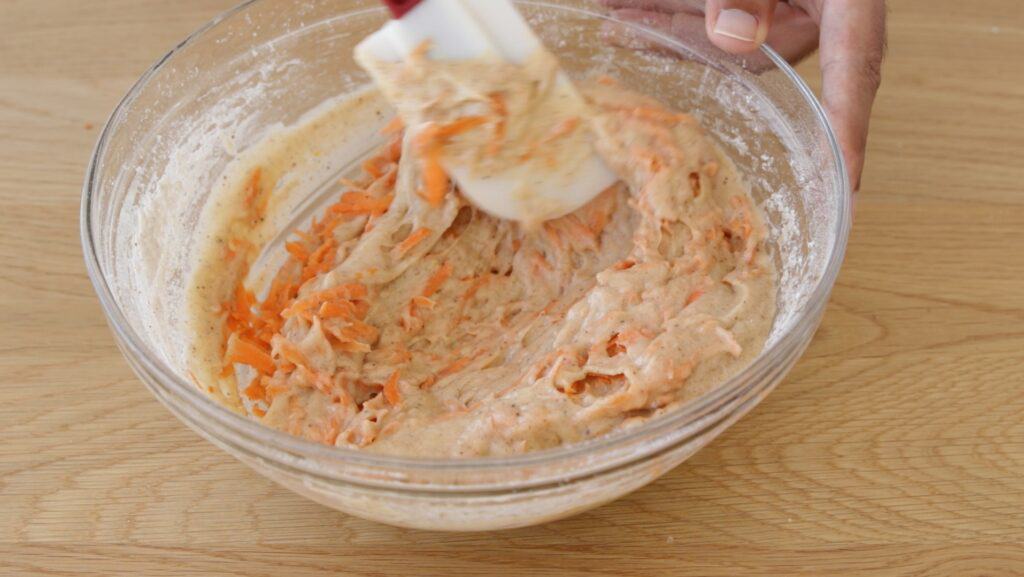
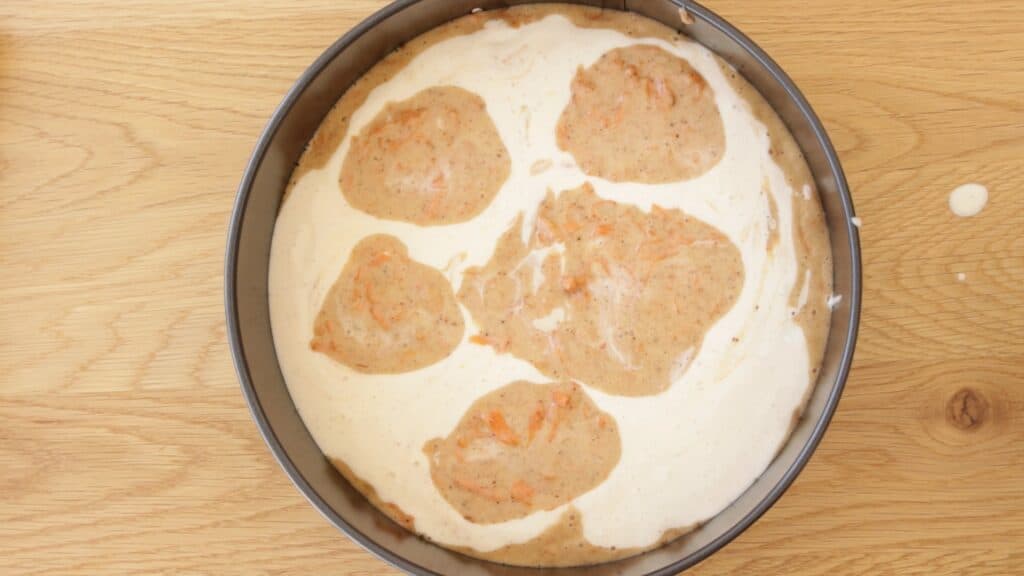
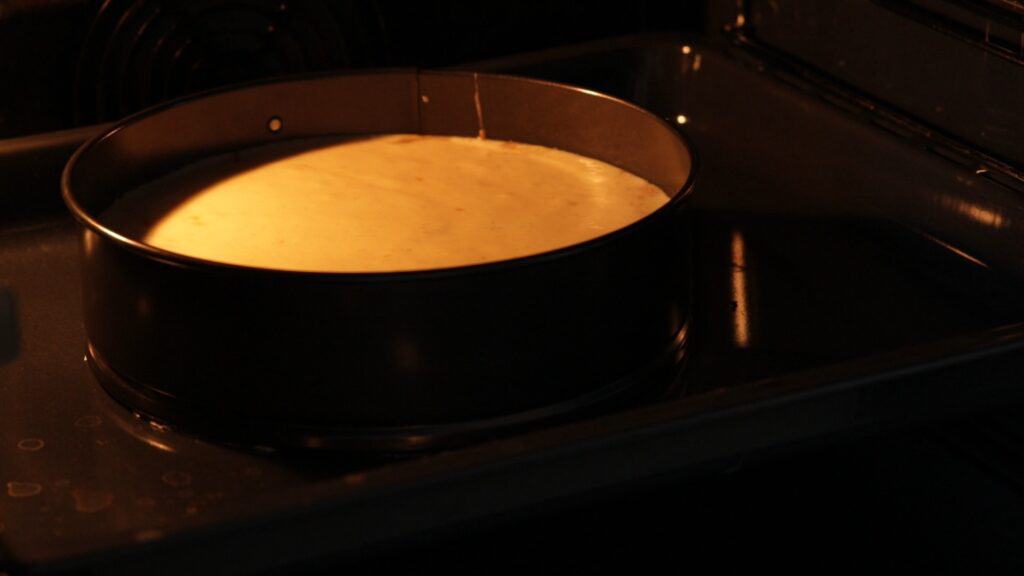
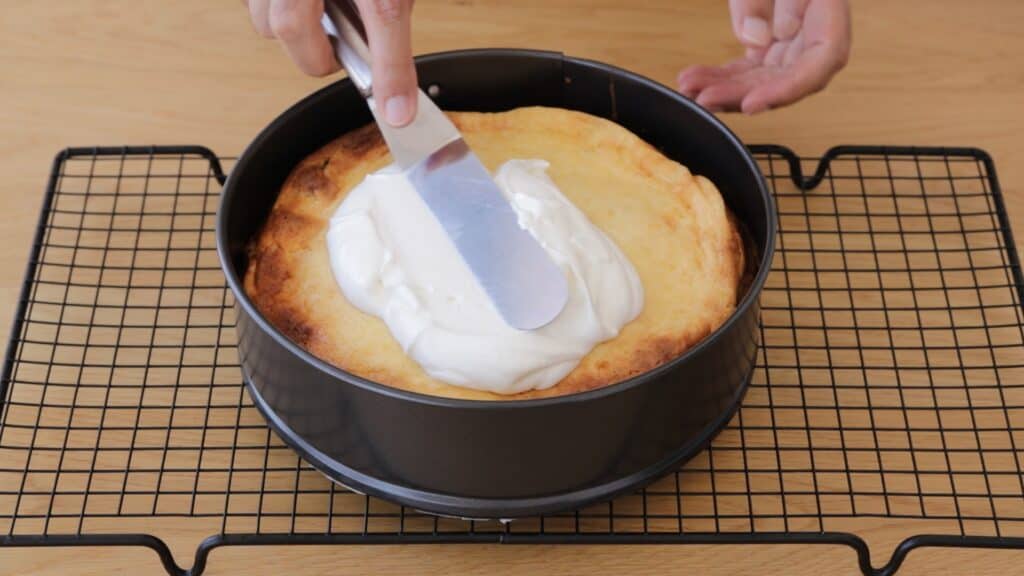
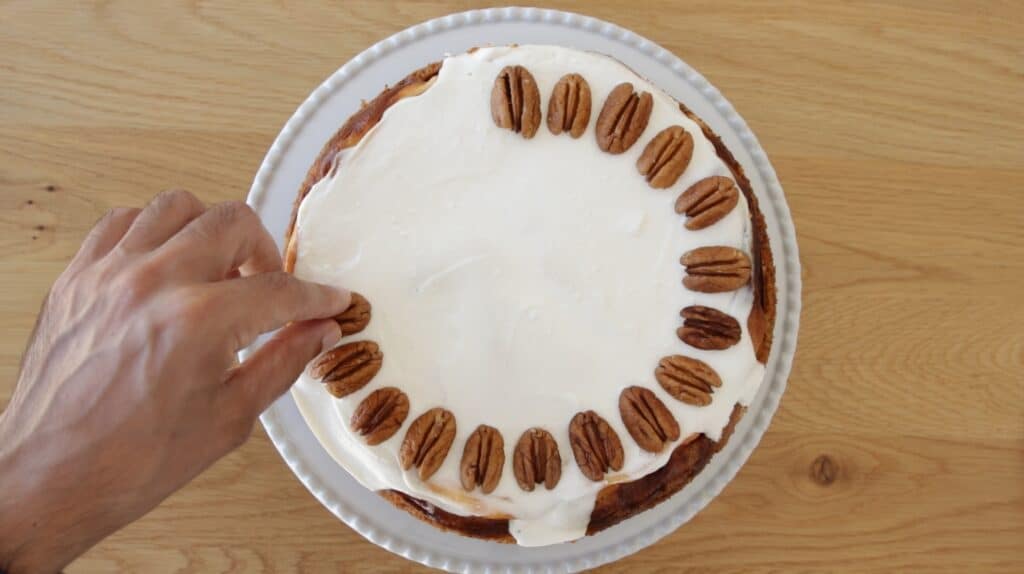
- Prepare the carrot cake batter by mixing the dry and wet ingredients together.
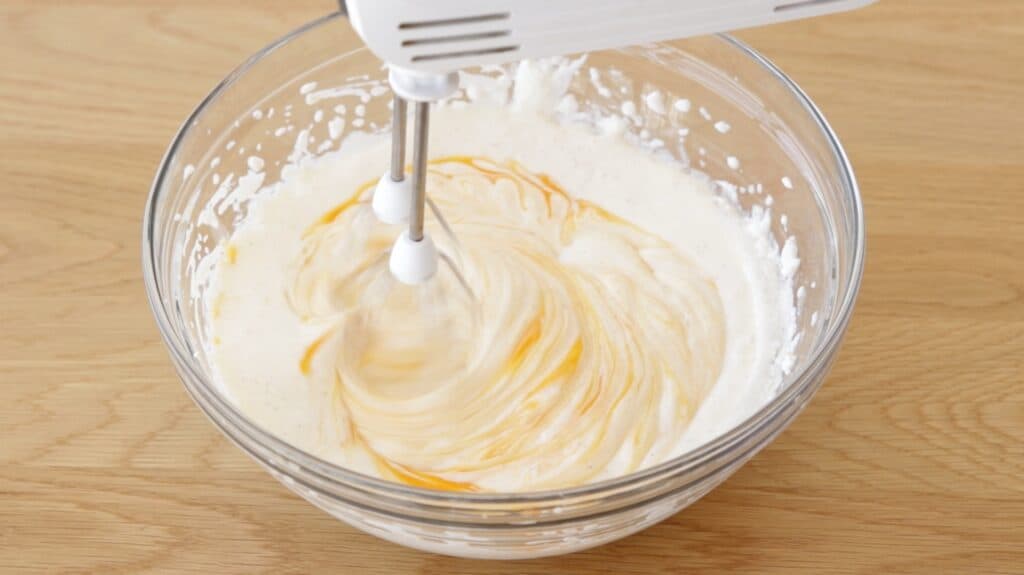
- Make the cheesecake batter until smooth and lump-free.
- Layer both batters in the pan, alternating between carrot cake and cheesecake.
- Bake until the edges are set and the center is slightly jiggly. Cool completely, then chill before frosting and serving.
- Prepare the sour cream frosting, then when chilled spread evenly over the cheesecake.
- Decorate with your favorite nuts.
Optional Variations & Dietary Adaptations
- Gluten-Free – I haven’t tried it, but this recipe should work well with a cup-for-cup gluten-free baking mix in place of the all-purpose flour. Make sure to reach for one that includes xanthan gum and give the batter 30 minutes of rest time before baking to prevent a gritty texture.
- Dairy-Free – Simply swap in your favorite plant-based alternatives for block-style cream cheese, sour cream, and heavy cream for all the flavor without the tummy trouble.
- Add Texture to the Carrot Cake Layer. For extra flavor and texture, consider adding chopped walnuts, pecans, or raisins to the carrot cake batter. Just keep the pieces small so the layers stay easy to slice.
Expert Tips & Tricks
- Don’t Overmix the Cheesecake Batter. Once you add the eggs, mix just until combined. Overmixing incorporates too much air, which can lead to cracks or a slightly puffed, uneven texture as the cheesecake bakes and cools.
- Don’t Skip the Cooling Time. Let the cheesecake cool gradually in the oven, then at room temperature before transferring it to the fridge. Sudden temperature changes can cause cracking or sinking.
- Chill Before Slicing. For clean, bakery-style slices, refrigerate the cheesecake for at least 4 hours (preferably overnight). This allows the layers to fully set and makes slicing much easier.
- Check for Doneness Carefully. The center should be slightly set with a gentle jiggle when you turn off the oven. It will continue to firm up as it cools, so avoid overbaking.
- Prevent Overbrowning. If the top starts to brown too quickly, loosely tent the cake with foil during the last part of baking to protect the surface while the center finishes setting.
Storage Instructions
- Refrigerator: Because of the cheesecake layer, this dessert should always be kept refrigerated when not serving. Store the carrot cake cheesecake covered in the refrigerator for up to 4-5 days. Keep it in an airtight container or tightly wrapped to prevent it from drying out or absorbing fridge odors.
- Freezer: Wrap well and freeze for up to 2–3 months. Thaw overnight in the fridge.
- Serving tip: For the best flavor and texture, let slices sit at room temperature for 10-15 minutes before serving to allow the carrot cake layer to soften slightly.
More Cheesecake Recipes
- Pistachio Cheesecake
- Blueberry cheesecake
- Salted Caramel Cheesecake
- Mango Cheesecake
- Basque Cheesecake
- No-Bake Lemon Cheesecake
More Carrot Cake Inspired Recipes
Carrot Cake Cheesecake Recipe
Ingredients
For the carrot cake:
- 1¼ cups (160 g) All purpose flour
- 1 teaspoon Baking powder
- ½ teaspoon Baking soda
- ¼ teaspoon Salt
- 1½ teaspoons Cinnamon
- ½ cup (120 ml) Vegetable oil
- ½ cup (100 g) White sugar
- ½ cup (100 g) Brown sugar
- 2 Eggs
- 1 teaspoon Vanilla extract
- 1½ cups (150 g) Grated carrots
For the cheesecake:
- 2 cups (450 g) Cream cheese softened
- ⅔ cup (135 g) White sugar
- ¼ cup (60 g) Sour cream
- 2 Eggs large
- 2 tablespoons Heavy cream
- 1 teaspoon Vanilla bean paste
For the sour cream frosting:
- 1½ cups (345 g) Sour cream
- 4 tablespoons (32 g) Powdered sugar
For decoration:
- Raw/Caramelized pecans chopped
Instructions
- Preheat the oven to 350ºF (180ºC). Line the bottom of an 9-inch (23cm) springform pan with parchment paper. Set aside.
Make the carrot cake:
- To a large bowl add white sugar, brown sugar and eggs. Whisk until combined. Add oil, vanilla extract and whisk until combined.
- Sift in flour, baking powder, baking soda, salt and cinnamon. Mix until combined. Add grated carrot and mix just until incorporated. Set aside.
Make the cheesecake batter:
- In a large bowl, beat cream cheese and sugar until soft and creamy. Add sour cream, vanilla bean paste and mix until combined.
- Add eggs, one at the time, beating to combine after each addition. Do not over beat. Add heavy cream and mix until combined.
Assembly:
- Pour one third of the carrot cake batter on the bottom of the prepared pan, then pour one third of the cheesecake batter on top, in the center of the pan. Repeat two more times.
Bake the cheesecake:
- Bake the cheesecake in the oven for about 45-50 minutes, until the center is just slightly jiggly, but the edges are set. If the cheesecake isn’t done baking in the center yet, but the edges are browning too much, you can cover the pan with foil to prevent any further browning. Just make sure the foil isn’t touching the cheesecake on top.
- While the cheesecake is in the oven make the sour cream frosting: in a bowl whisk sour cream and powdered sugar until smooth.
- Turn the oven off, prop the door open, and note: leave the cheesecake inside for another 15-20 minutes. This will prevent the cheesecake from deflating and sinking.
- Note: If your cheesecake cracks or sinks, it's fine because we are going to frost the cake. If you prefer a flat cake without cracks, follow these steps: After you finish baking the cheesecake, keep it in the oven for one hour without opening the door.
Frost the cake:
- Remove the cheesecake from the oven and spread the frosting.
- Let it cool down completely, then place it in the fridge overnight, or for at least 6 hours.
Decorate:
- Decorate with some halved pecans on top and serve!
Video
Notes
- Watch the Video: For a better understanding of the recipe, I always recommend watching the video recipe, which includes a step-by-step guide to help you succeed.
- FAQs: Make sure you read the FAQs for this recipe which are located below the recipe box for additional tips and troubleshooting! For extra tips and variations read the article.
- If you enjoyed this recipe, I would appreciate hearing your honest opinions about it in the comments. It means a lot to me! 😊
Nutrition
FAQs
Cheesecake can crack from overbaking, sudden temperature changes, or overmixing (which adds too much air). The good news? In this recipe, cracks aren’t a big issue since the sour cream frosting covers the top beautifully.
Freshly grated carrots are best for moisture and texture. Pre-shredded carrots tend to be too dry and coarse, which can affect the final result.
Your cheesecake is done when the edges are set but the center is still slightly jiggly. You can check for doneness by gently shaking the pan. If the center jiggles slightly while the edges remain firm, it’s time to turn off the oven. Avoid overbaking, as this can lead to a dry texture and cracking.


You list 8-inch springform pan under equipment but 9-inch in the instructions, which is it?
Sorry for the confusion, it’s 9-inch springform pan.
the metric measurement for sour cream for the frosting is wrong. 1 1/2 cups is 360g, not 640g. I did not verify the other conversions from standard to metric.
Sorry again, I just fixed it.
Thank you for leting me know.
I made it yesterday together with 8 year old kid. it was fun and delicious.
it seems like you have a lot of steps but the recipe is actually pretty easy to make.