Ice Cream 101: What It Is and How to Make It
This post may contain affiliate links.
Whether it’s a waffle cone on a summer day or a scoop of vanilla on a hot slice of pie, ice cream is a beloved treat. But have you ever wondered what actually makes ice cream ice cream? Why some recipes use eggs and others don’t? Or whether you can make ice cream without an ice cream maker?
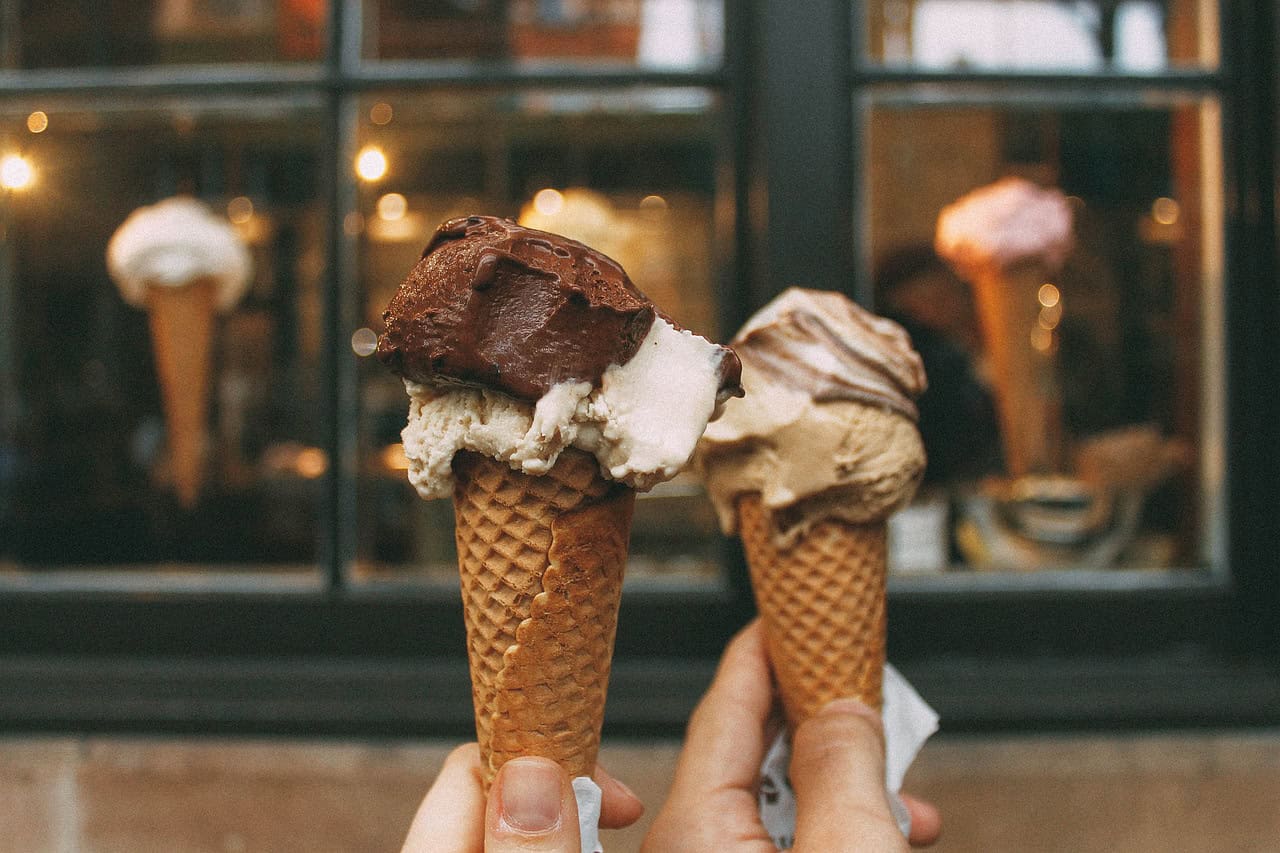
Welcome to Ice Cream 101—your beginner-friendly guide to understanding how this beloved frozen dessert is made, what goes into it, and how you can make it at home, with or without an ice cream machine. Whether you’re just starting out or looking to sharpen your skills, this post is the perfect starting point.
And if you’re hungry for more, be sure to check out my online ice cream course, where I walk you through all the fundamentals, step-by-step. It’s packed with pro tips, easy recipes, and plenty of creamy inspiration! But first, let’s dig into the basics:
What Is Ice Cream?
Ice cream is a frozen dessert made by churning and freezing a mixture of dairy (e.g. milk and cream), sweeteners, and various flavorings to create a smooth, scoopable texture. What sets ice cream apart from other frozen desserts is its air content (called “overrun”) and milk fat percentage, both of which contribute to its rich texture and mouthfeel.
Interestingly enough, the U.S. Food & Drug Administration (FDA) has a legal definition on the books. To be labeled as “ice cream,” it must contain at least 10% milk–fat and 20% milk solids and be churned. But it must also meet a minimum weight requirement of at least 4.5 pounds per gallon to ensure there’s not too much air.
What’s In Ice Cream?
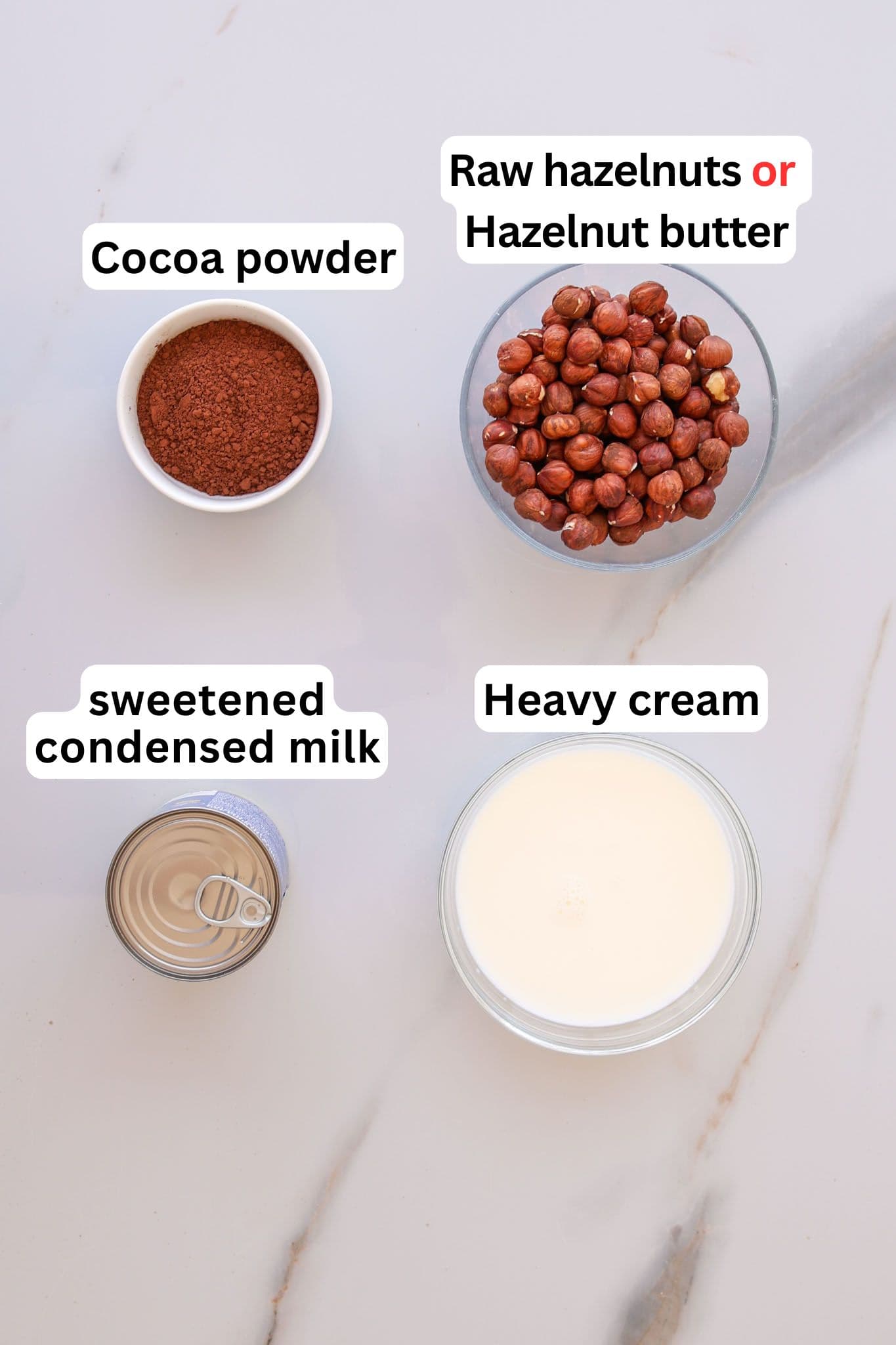
Though recipes vary widely, classic ice cream includes:
- Dairy: Whole milk or buttermilk, heavy cream, cream cheese, or a combination. The fat contributes to richness and smoothness, which is why full-fat canned coconut milk is often used for vegan/dairy-free recipes.
- Sweetener: Granulated sugar and corn syrup are most common, but sometimes brown sugar, honey, maple syrup, or condensed milk are used. Corn syrup (not high-fructose) is often added regardless of the sweetener to help prevent ice crystals from forming.
- Emulsifiers or Stabilizers: Egg yolks in custard-style ice cream, cornstarch in American-style ice cream, or commercial stabilizers in mass-produced ice cream all help create a creamy, cohesive texture.
- Flavorings: This is where your creativity comes in. Vanilla extract (or other flavor extracts), fruit purées, melted chocolate or cocoa powder, ground spices, coffee, matcha powder and more are all fair game.
- Mix-Ins & Ribbons: These inclusions are added near the end of churning or during the packing stage of making ice cream. Think crushed cookies, chopped nuts, cookie dough, caramel sauce, or fudge.
- Air: In the FDA definition of ice cream, air is technically an ingredient, added during churning to keep ice cream soft and scoopable.
Different Types of Ice Cream
Ice cream isn’t one-size-fits-all—just like people, it comes in a variety of styles:
- Custard-style (French) ice cream: Made with an egg yolk base, creating a dense, rich scoop. If you’ve ever wondered what the difference between vanilla ice cream and french vanilla ice cream is, it’s the egg yolks!
- Frozen custard: Like French-style ice cream but potentially even richer—it’s legally required to contain at least 1.4% egg yolk solids in the U.S.
- Philadelphia-style (American) ice cream: Egg-free and easier to make than its French cousin—you only need milk, cream, sugar, cornstarch, and flavor.
- No-churn ice cream: Uses sweetened condensed milk and whipped cream to mimic the churned texture without cooking the base or needing an ice cream machine.
- Gelato: Italian-style ice cream with lower fat content, less air, and a silkier texture.
- Soft serve: Ice cream with higher air content and lower fat, served directly from a machine at a warmer temperature.
- Blender ice cream/nice cream: While it’s not technically ice cream (most of the time there’s no dairy in it at all), frozen banana slices can be blended to create a healthy faux ice cream—perfect for when you’re a sweet tooth on a diet.
Ice Cream vs. Gelato: What’s the Difference?
While ice cream and gelato are both dairy-based frozen desserts, their key differences lie in fat content, air, and serving temperature:
- Fat Content: Ice cream typically contains 10–18% milk fat, while gelato is usually lower—closer to 4–9%. Gelato also typically has fewer egg yolks, or may not have any at all.
- Churning: Ice cream is churned faster, incorporating more air (50-60% overrun), making it lighter. Gelato is churned slowly to incorporate less air (25-30% overrun), resulting in a denser texture. Some ice cream makers come with two paddles—one for ice cream and one for gelato—to help create the right consistency.
- Serving Temp: Gelato is served at a slightly warmer temperature than ice cream, giving it greater flavor intensity and an almost chewy consistency.
In short, ice cream is creamier and airier, while gelato is smoother and more intensely flavored due to its lower fat and air content.
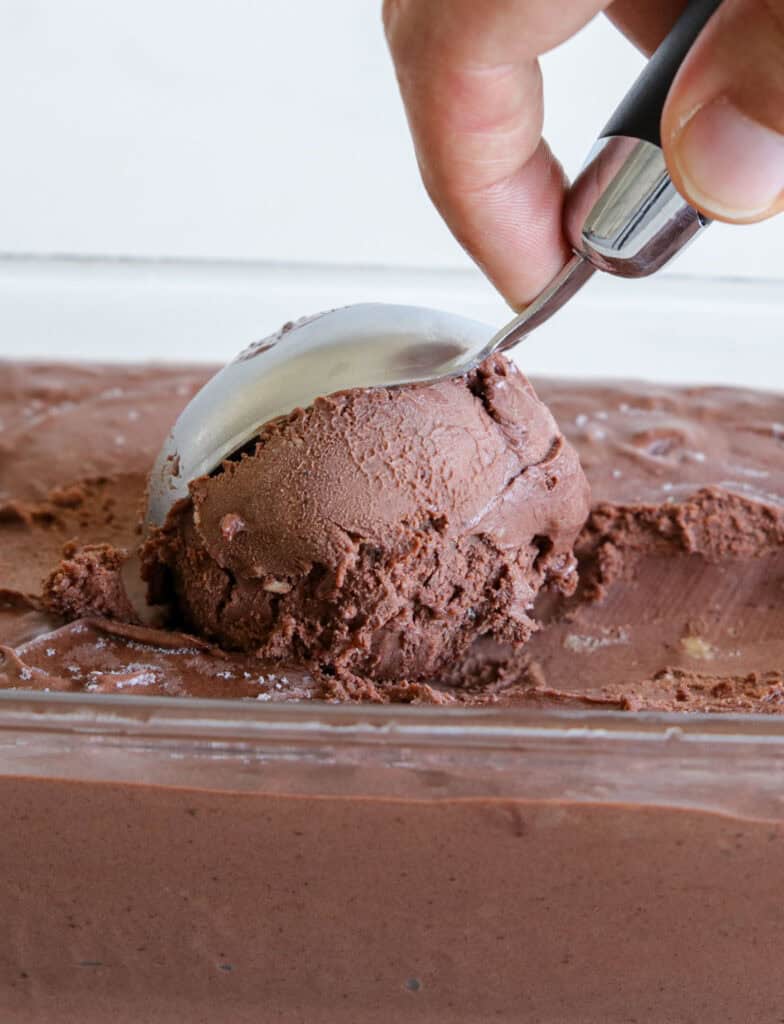
How to Make Ice Cream at Home — 3 Ways
Ready to try making it at home? Here are three popular methods:
1. Custard-Style Ice Cream (Tempering Eggs)
This method makes the richest and smoothest ice cream. It’s also the most time-consuming and expensive!
- How it works: Egg yolks are tempered (gradually brought to temperature with warm milk) to create a custard base. The mixture is cooked until it thickens, then chilled before churning.
- Texture: Dense, creamy, and scoop-shop-worthy.
- Pro tip: Separate your eggs when they’re still cold—the yolks are less likely to break this way. And don’t toss your egg whites—there’s tons of ways to put them to use!
2. American-Style Ice Cream (With Cornstarch)
A quicker, egg-free version that’s great for beginners. As a bonus, there’s no eggs to temper and fewer dishes to wash. (P.S. My no-churn ice cream recipes are all made without eggs, too!)
- How it works: A mixture of milk, cream, sugar, cornstarch, and flavorings is heated until thickened. It’s then chilled and churned like the custard version.
- Texture: Creamy, but lighter than custard-style.
- Pro-tip: Whisk your cornstarch into a slurry with just a few tablespoons of milk before adding it to the pot. This helps prevent clumping.
3. No-Churn Ice Cream
Perfect if you don’t have an ice cream machine or don’t want to turn on the stovetop.
- How it works: Whip heavy cream to stiff peaks, then fold in sweetened condensed milk and flavorings. Freeze until firm.
- Texture: Creamy and soft, thanks to the condensed milk and whipped cream.
- Pro tip: Add a pinch of salt and/or a splash of booze to lower the freezing temperature. This makes it extra scoopable!
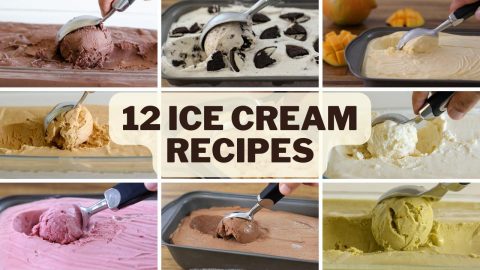
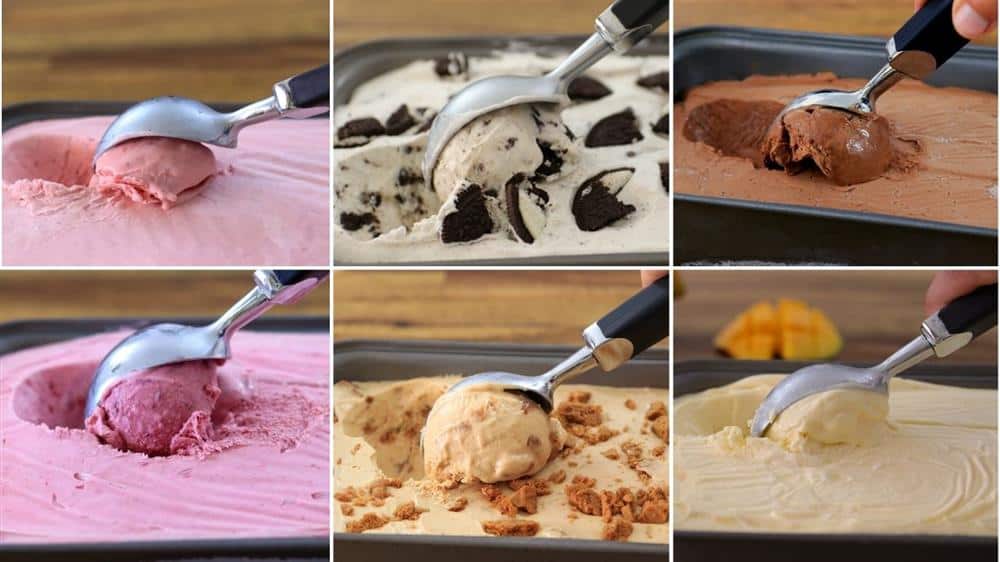
No-Churn Ice Cream Recipes To Try:
- 3-Ingredient No-Churn Blueberry Ice Cream
- 3-Ingredient Lemon Ice Cream Recipe
- Easy Tiramisu Ice Cream Recipe (No Machine)
- Easy Salted Caramel Ice Cream Recipe
- Easy No Churn Peanut Butter Ice Cream
- Easy Homemade Chocolate Ice Cream Recipe (Only 3-ingredients)
- Easy 4-Ingredient Biscoff Ice Cream Recipe
- 3-Ingredient Mango Ice Cream Recipe
- 3-Ingredient Pistachio Ice Cream
- 3-Ingredient Strawberry Ice Cream (Without Ice Cream Maker)
- 4-Ingredient Nutella Ice Cream (Chocolate Hazelnut Ice Cream)
Ready to Get Churning?
Now that you’ve got a solid scoop on the basics, you’re well on your way to becoming a homemade ice cream pro. If you’re excited to keep learning, don’t miss my online ice cream course, where I walk you through each method in detail, troubleshoot common mistakes, and share exclusive recipes and techniques you won’t find on the blog.
Not sure what gear you need to get started? Check out these helpful resources:
- How to Choose the Right Ice Cream Maker – A beginner-friendly guide to picking the best style for your needs and budget. Hint: you can keep it as simple as a zip-top bag!
- The Best Ice Cream Makers of the Year – My top-tested picks, from splurge-worthy machines to budget-friendly favorites.
- My Favorite Tools for Making Ice Cream – From spatulas to storage containers, these are the essentials I reach for every time.
Whether you’re a scoop-it-from-the-carton type or already dreaming up your own flavors, I hope this guide helps you feel more confident and curious in the kitchen. Whether you start with a no-churn recipe or dive into custard-style classics, the key is to experiment, taste often (hard work, I know!), and most of all—have fun. Happy churning!