How to Choose an Ice Cream Maker: What to Consider Before You Buy
This post may contain affiliate links.
If you’ve ever struggled with How to Choose an Ice Cream Maker, you’re not alone. With so many models on the market, it’s easy to feel overwhelmed. Whether you’re looking to make small-batch scoops for two or whip up enough homemade ice cream to feed a party, here’s what to consider before you click “add to cart.”
What Size Ice Cream Maker Should I Buy?
Before you fall in love with a model based on features alone, make sure you have the counter or storage space to accommodate it.
- Footprint: Some compressor models can be as large, heavy and as bulky to store as a stand mixer. Others, like manual or freezer bowl models, are more compact and easier to tuck away.
- Weight: If you’re planning to store your machine in a cabinet and haul it out every so often, check the weight. Compressor models can weigh over 30 pounds, while lighter models hover around 5–10 pounds.
- All Together, Now: If the only space you have in your kitchen to store your ice cream maker is on a high cabinet that requires a stepstool, for example, ask yourself “Am I strong enough to get it down on my own without breaking it or injuring myself?” If not, you should probably consider a different style.
The right size for you depends on how often you’ll use it—and how much real estate you’re willing to give up.
Capacity: How Much Ice Cream Do You Want?
Ice cream makers range in capacity from about 0.5 to 2 quarts per batch. When deciding what size to buy, ask yourself:
- How many people are you making ice cream for?
- Do you want leftovers, or just enough for a one-night treat?
- Do you plan on making back-to-back batches for parties or meal prep?
Some freezer-bowl machines require re-freezing the bowl between batches, so you’re limited to one batch per day unless you have multiple bowls. Compressor-style machines, on the other hand, can churn multiple batches in a row with minimal wait time, which is ideal for feeding a crowd or experimenting with flavors.
Pro Tip: Always check the actual output, not just the bowl size. Some machines need room for expansion as the mixture churns.
Electric or Manual: Hands-Free or Arm Workout?
There are two main styles: electric (automatic) and manual (hand-cranked).
- Electric ice cream machines are push-button easy and ideal for most home cooks. Just add your base, press start, and let the machine do the work. Note that some electric models are somewhat hybrid—the kind that require salt and ice to work will require you to check and refill them a few times per cycle.
- Manual ice cream machines require elbow grease and patience but can be fun for kids or nostalgia-loving cooks. Some are about as big as the freezer-drum models, while others are as small as a pasta bowl or a pint of ice cream. Bonus: there’s no electricity needed!
Manual models can be fun for kids or special occasions, but if you’re planning to make ice cream regularly, an electric model might be the more practical route.
Type: Freezer Drum, Ice & Salt, or Compressor?
This is one of the biggest decisions you’ll make. Each type has pros and cons depending on your budget, storage, and planning style.
- Freezer Bowl: The bowl must be frozen for at least 12–24 hours before use, so you’ll need freezer space and a little foresight. They’re affordable and compact, but not ideal for spontaneous ice cream sessions or making multiple batches back-to-back.
- Ice & Salt Machines: These use ice and rock salt to chill the mixture and mimic old-school churners. They tend to be messier and require replenishing the ice and salt, but you don’t have to pre-freeze any parts. Pro Tip: Adding some water to the ice & salt mixture at the beginning helps with conductivity. Set the machine in a roasting pan before starting to contain any spillover.
- Compressor (Self-Refrigerating): The gold standard for serious ice cream fans. These machines have built-in refrigeration (like a countertop ice maker), so you can churn multiple batches with no prep. They’re pricey and bulky, but also incredibly convenient.
Think about your lifestyle: do you like planning ahead, or are you more of a “what if I want mint chip right now” person?
Price: What’s Your Budget?
You can find a reliable ice cream maker at nearly any price point, from under $50 to nearly $800. Your budget will determine the type of machine and features available:
- Under $50 – You’ll likely find manual models or smaller single-serve freezer-bowl electric machines.
- $50–$150 – This is the sweet spot for many freezer-bowl electric machines with decent performance.
- $150–$800+ – Compressor-style machines dominate this tier, offering faster churn times, better consistency, and multiple cycles without re-freezing.
Curious but not ready to commit? Make ice cream in a bag! Just combine your base in a sealed pint-sized zip-top bag, place it in a larger gallon-sized zip-top bag with ice and salt, and shake for 10–15 minutes for a cheap alternative that doubles as a fun science project.
Pro Tip: Make sure to use freezer-safe bags as they’re thicker and usually have a double-zipper for insulation against leaks.
Is It Worth Getting An Ice Cream Maker?
Ready for a hot take? You don’t need a machine to enjoy incredible homemade ice cream. I have at least a dozen no-churn ice cream recipes (made with whipped cream and condensed milk) that are easy and wildly popular. You can also whip up “nice cream” with just frozen bananas and a food processor.
But if you’re serious about ice cream, or want to recreate traditional custard-style or gelato textures, then an ice cream maker is a worthy addition to your kitchen arsenal. No matter your budget, space, or skill level, there’s a machine that can help you churn out frozen treats like a pro. If you’re ready to take the plunge, be sure to check out my guide to the Best Ice Cream Makers of 2025 where I break down top models by type, performance, and value.
FAQs
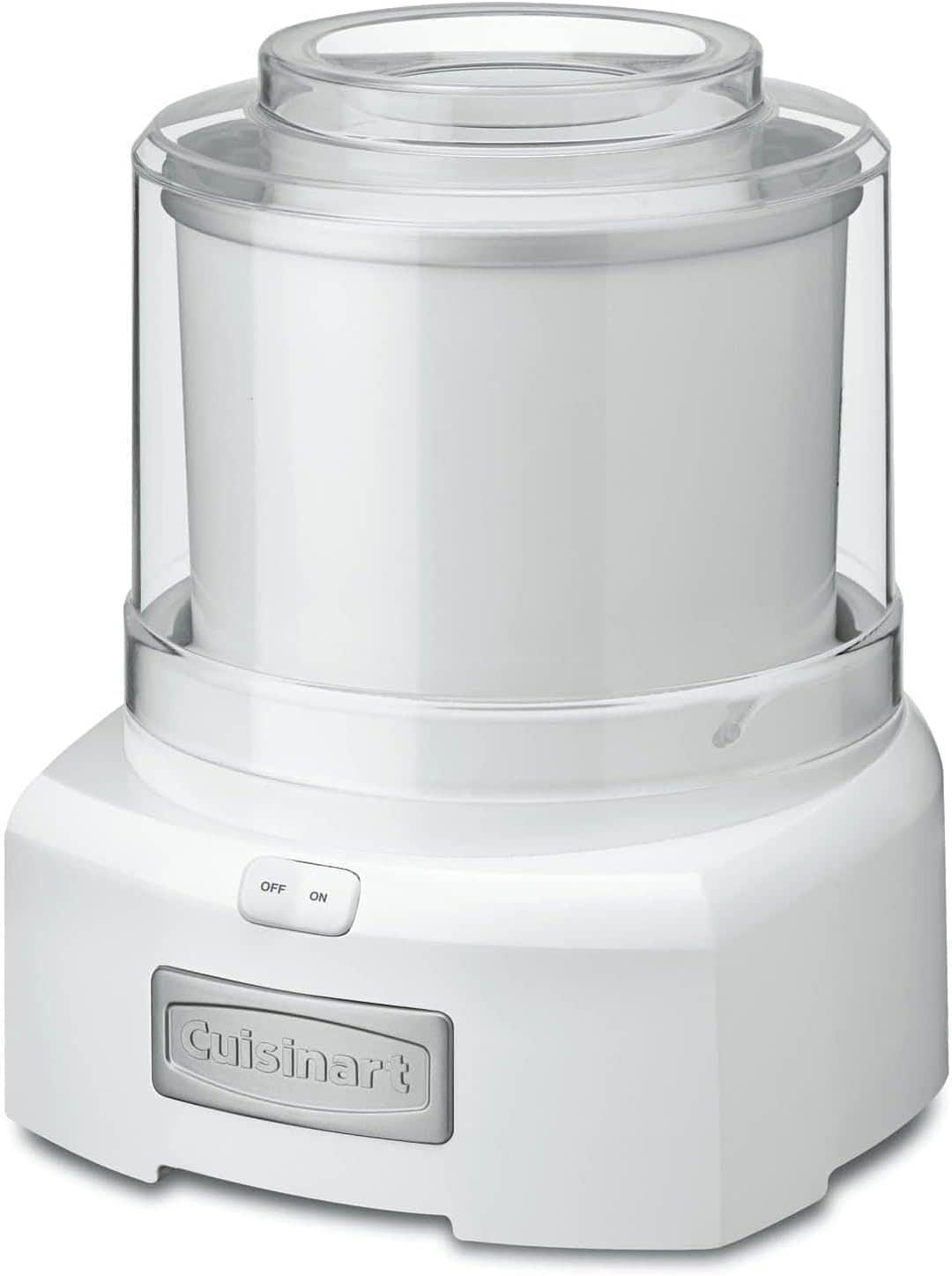
It honestly depends on your needs! If you’re looking for a solid but still budget-friendly option for your first machine, I love the Cuisinart ICE-21P1 1.5-Quart Frozen Yogurt & Ice Cream Maker. If you have a larger budget and like to make ice cream often, a compressor-style model like the Breville Smart Scoop is awesome. Not sure either of those is right for you? Check out my post on the Best Ice Cream Makers around!
A canister ice cream maker (also called a freezer bowl model) uses a pre-frozen bowl to chill and churn your ice cream. You need to freeze the bowl for 12–24 hours before use, which means you have to plan ahead and can usually only make one batch at a time. A compressor ice cream maker has a built-in refrigeration unit, so it chills the ice cream as it churns—no pre-freezing required. It’s more convenient for spontaneous ice cream making or multiple batches, but it’s also larger and more expensive.
More Information About Homemade Ice Cream
- Ice Cream 101: What It Is & How To Make It
- Best Ice Cream Makers of 2025
- Best Tools for Making Homemade Ice Cream
Want to get into the nitty-gritty of making ice cream at home? Consider joining my online Ice Cream-Making course where I cover all the fundamentals of this frozen favorite!