Classic Homemade Eggnog Recipe (With or Without Alcohol)
This post may contain affiliate links.
Rich, creamy, and spectacularly seasonal Homemade Eggnog is the perfect way to get in the holiday spirit. Whether you serve it saucily spiked with your favorite booze or on its own, this festive dessert drink is guaranteed to make your Christmas celebration extra jolly. It’s just as delicious served alcohol-free, making it perfect for kids and non-drinkers.
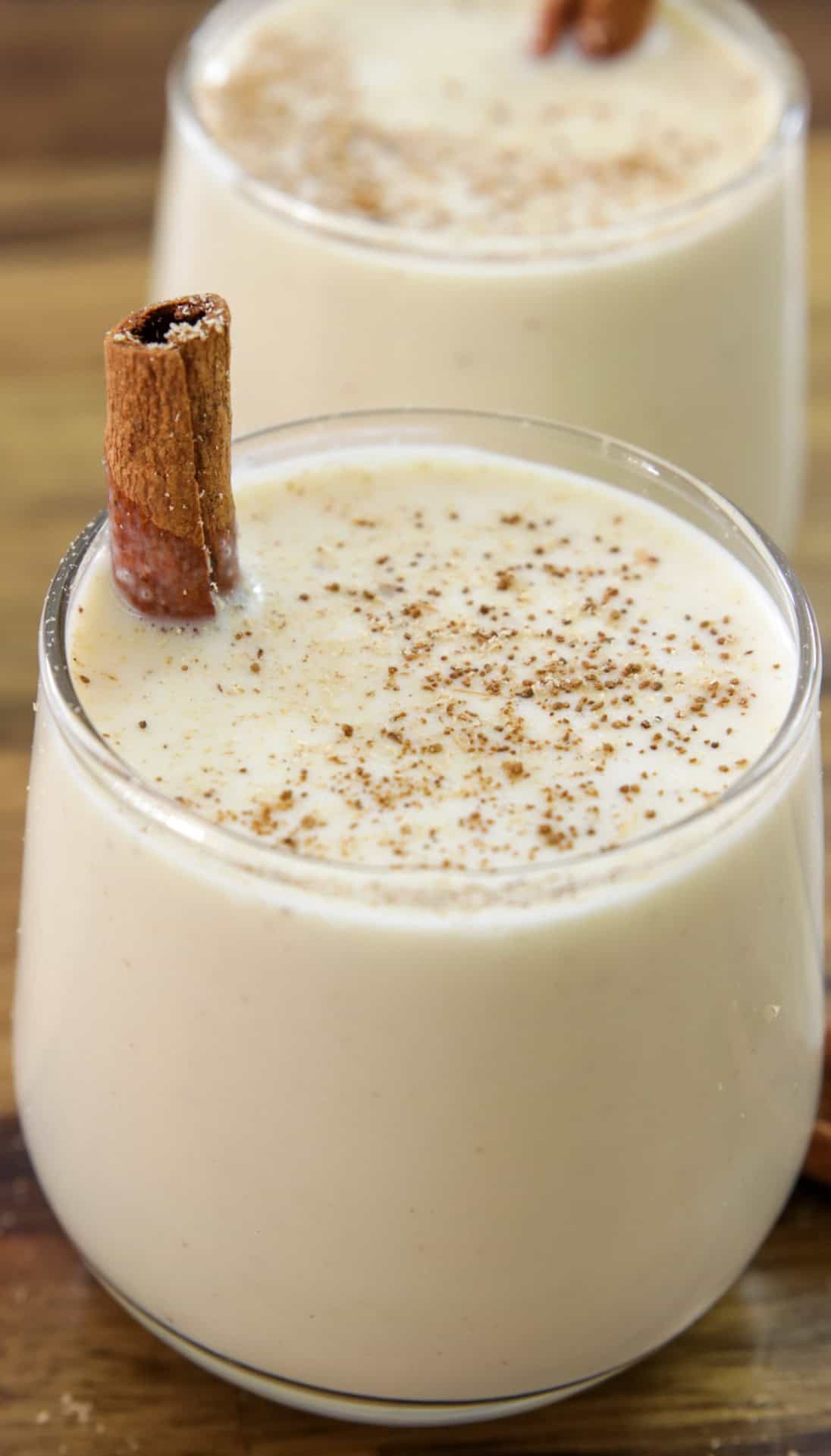
I originally published this recipe in 2020 and have since added new photos and a few more success tips.
Of all the many traditional Christmas recipes, this easy homemade eggnog recipe has to be in my top 3. And, with over 886,000 views and more than 19,000 likes on my YouTube video recipe it’s clear the feeling is shared by tens of thousands of home cooks just like you! Considering you need fewer than 10 ingredients and just 15 minutes of prep, it isn’t hard to see why.
What is Eggnog?
Eggnog is a rich, creamy holiday drink traditionally made from milk, cream, egg yolks, sugar, and warm spices like nutmeg and cinnamon. Originating from old European winter drinks, eggnog became a Christmas staple thanks to its luxurious texture and festive flavor. Today, it’s enjoyed both with alcohol, often rum, bourbon, or brandy, or as a non-alcoholic, family-friendly version, served chilled and dusted with freshly grated nutmeg.
Ingredients & Substitutions
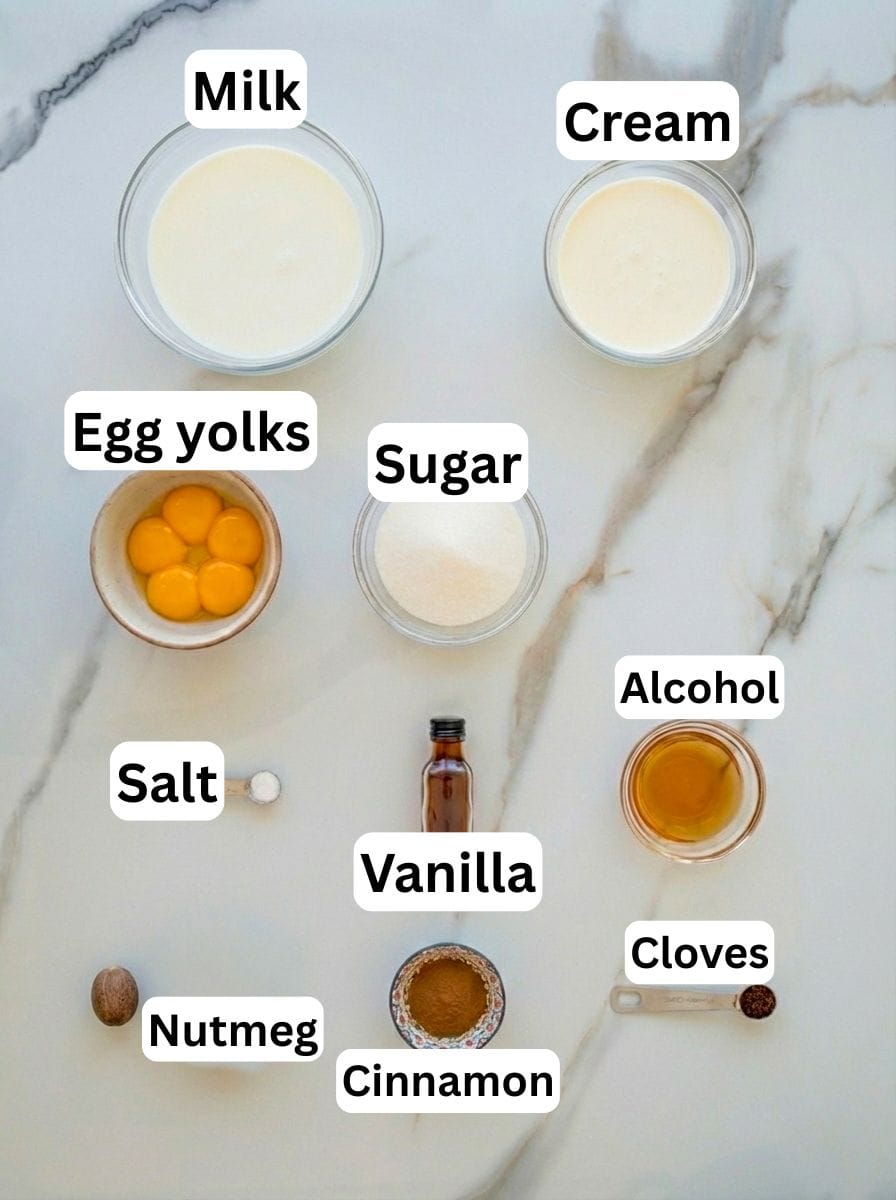
- Milk & Heavy Cream – For a custardy drink like homemade eggnog, fat is your friend! Opt for whole milk and heavy cream for the best results. You can also swap in evaporated milk and slightly lighter whipping cream if needed.
- Egg Yolks – These put the “egg” in “eggnog!” Using just the yolks ensures a wonderfully thick, decadent texture, but don’t toss your whites! There are tons of ways to put leftover egg whites to use. (P.S. Homemade torrone is another Christmas favorite. 🧑🎄)
- Granulated Sugar – White sugar has a neutral sweetness, so the warm spices and eggy richness shine brightly. Cane sugar and caster/superfine sugar are 1:1 substitutes.
- Salt – Just a pinch is all you need to help round out the flavors.
- Vanilla Extract – Make sure you reach for pure vanilla extract for the best flavor. You can also use an equal amount of vanilla paste or the scraped seeds of one vanilla pod.
- Cinnamon, Nutmeg & Cloves – This trio of ground spices is what gives Christmas eggnog its cozy flavor profile. If possible, grate the nutmeg fresh for the most vibrant taste.
- Alcohol of Choice – While spiking is not necessary, boozy eggnog is quite yummy.
This is just a short review of the ingredients; for the complete recipe, including quantities, scroll down to the recipe card 👇
What alcohol goes with eggnog?
Eggnog is one of those rare holiday drinks that plays well with a whole lineup of spirits, so it’s easy to tailor to your preferences. Aged spirits are often used because their warmth and caramel-vanilla notes melt seamlessly into the custardy base. So, which should you use? Here are my favorites:
- Dark or spiced rum is the most traditional pick. Rum’s caramel, molasses, and vanilla notes blend seamlessly with the nutmeg and cream, adding a nostalgic holiday kick.
- Bourbon is another popular option, especially if you prefer a drink with more backbone. Its oaky warmth, hints of vanilla, and subtle smokiness cut through the richness of the eggnog, making it perfect for sipping fireside.
- Brandy offers a smooth, fruity, caramel-infused flavor, giving your eggnog a 1950s holiday party vibe.
- Cognac (a specific type of brandy) lends a luxe dessert-wine depth.
- Irish whiskey adds a lightly sweet, malty depth for a modern spin.
- Mix & Match! Some people like to mix two spirits—like bourbon + dark rum—for a more layered, complex flavor.
How much to add:
No matter which spirit you choose, the general rule is to start light and adjust to taste. I recommend about 1-2 ounces per serving. Feel free to spike the entire batch ahead of time, or set out a punchbowl with several spirits for your guests to spike their own glasses.
NOTE: Homemade eggnog with alcohol tends to mellow as it chills and the flavors mingle. If it tastes a little sharp at first, rest assured that the alcoholic bite becomes smoother with time.
How to Make Homemade Eggnog
Watch the full video recipe to learn how to make the BEST Homemade Eggnog Recipe.
Prefer the written recipe? Scroll down to the recipe box 👇
Optional Variations & Dietary Adaptations
- Dairy-Free Eggnog – Use full-fat canned coconut milk (for richness) combined with your favorite plant-based “barista blend” milk. You may want to add an extra pinch of cinnamon and nutmeg to balance the naturally sweeter profile of plant milks.
- Lightened Up – Swap the heavy cream for half-and-half or evaporated milk, or use a 1:1 mix of whole milk and light whipping cream. Keep in mind that the texture will be slightly less custardy but still delightful.
- Old-Fashioned & Fluffy – Whisk 1-2 of the leftover egg whites into soft peaks and fold them into the cooled eggnog before serving. This gives you a lighter, airier, almost cloud-like texture.
- Non-Alcoholic Eggnog: Simply omit the alcohol for a classic, family-friendly eggnog. The base is rich and flavorful on its own, making this a perfect alcohol-free holiday drink.
Expert Tips & Tricks
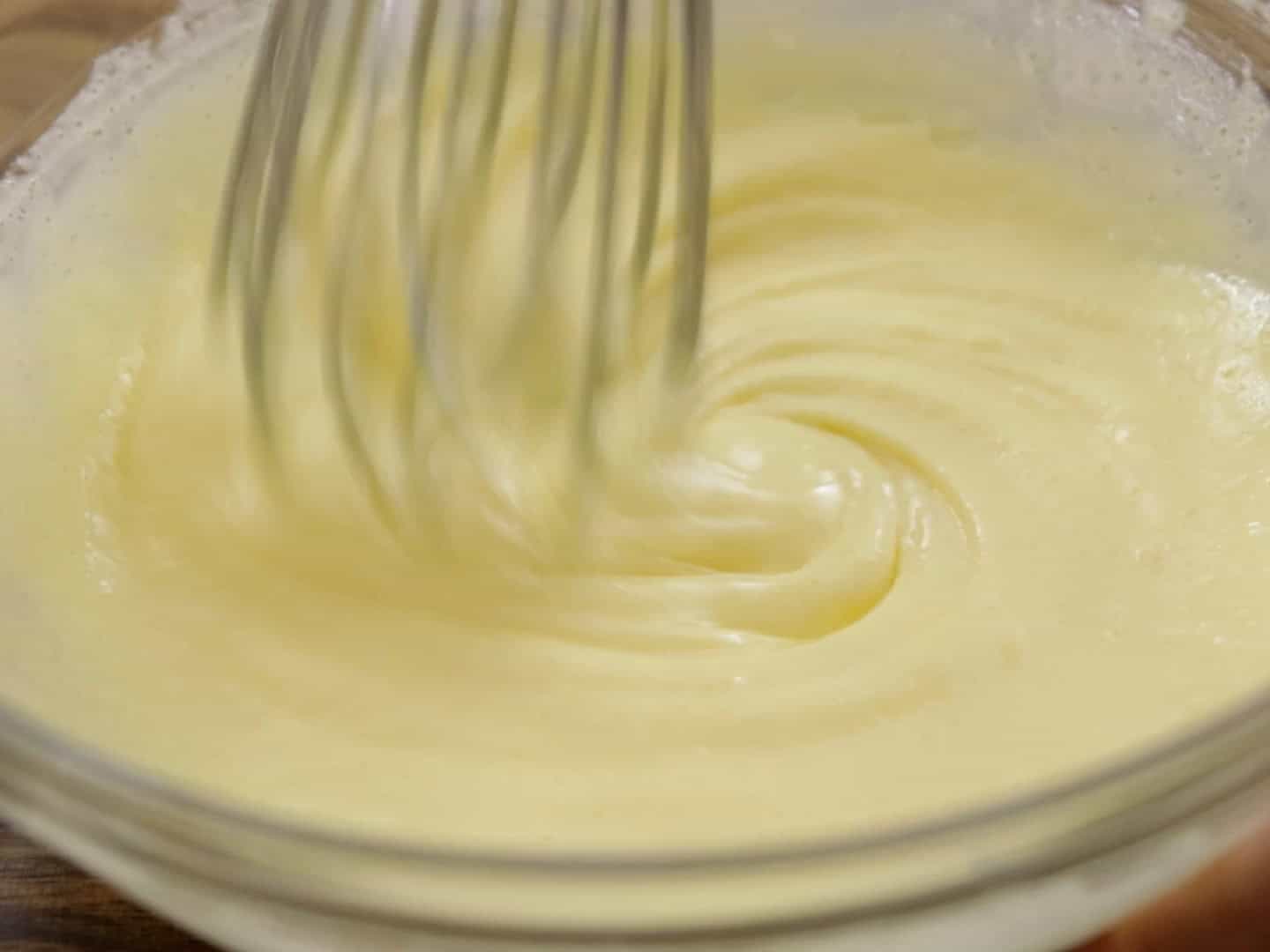
- Temper slowly. When adding the warm milk mixture to the egg yolks, go slowly and whisk constantly. This prevents scrambling and gives you that smooth, custardy texture eggnog is known for.
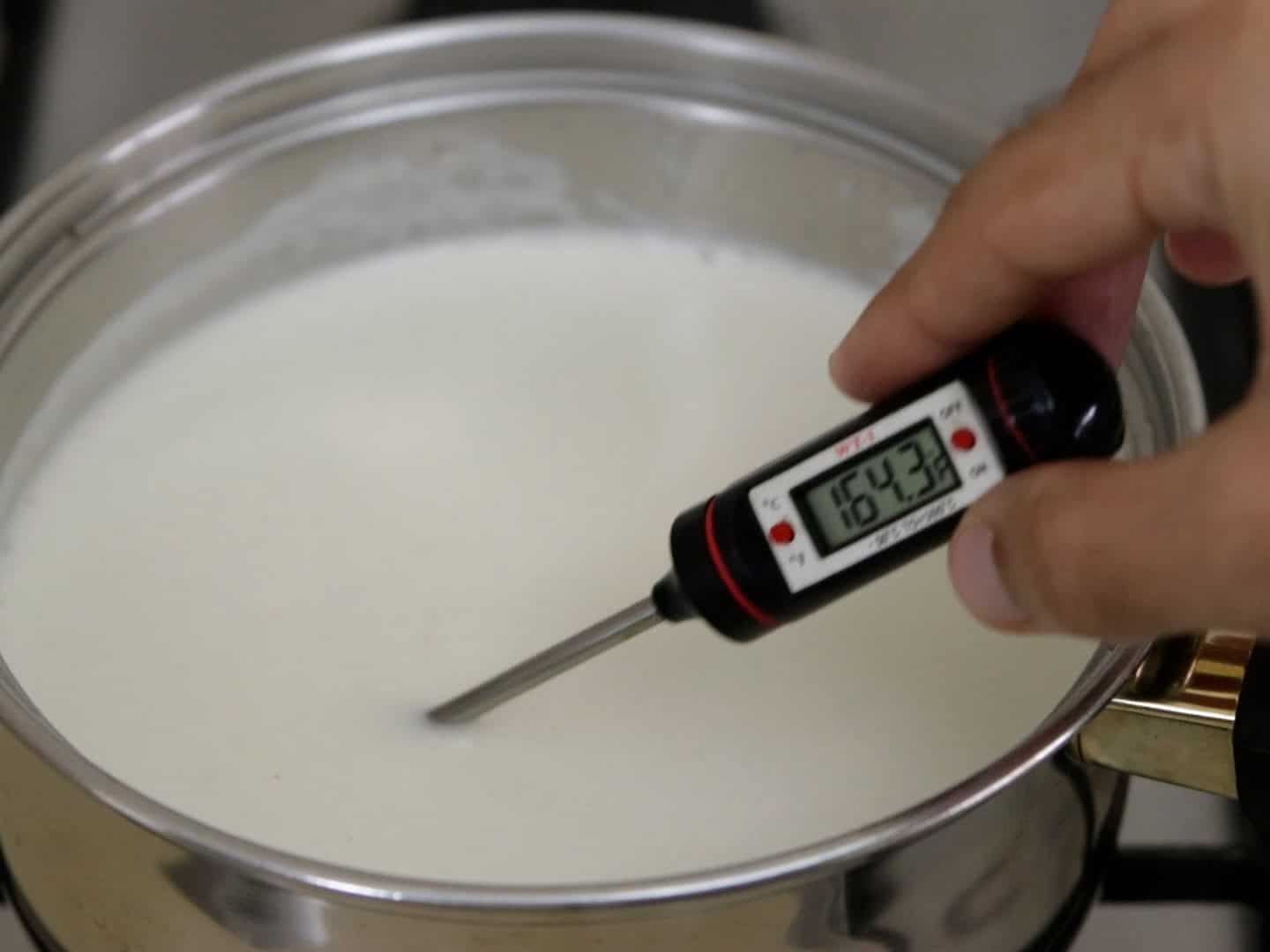
- Cook low and slow. Keep the heat on medium-low as the eggnog thickens. Rushing the process can cause curdling. The mixture is ready when it coats the back of a spoon and reaches about 160-170°F.
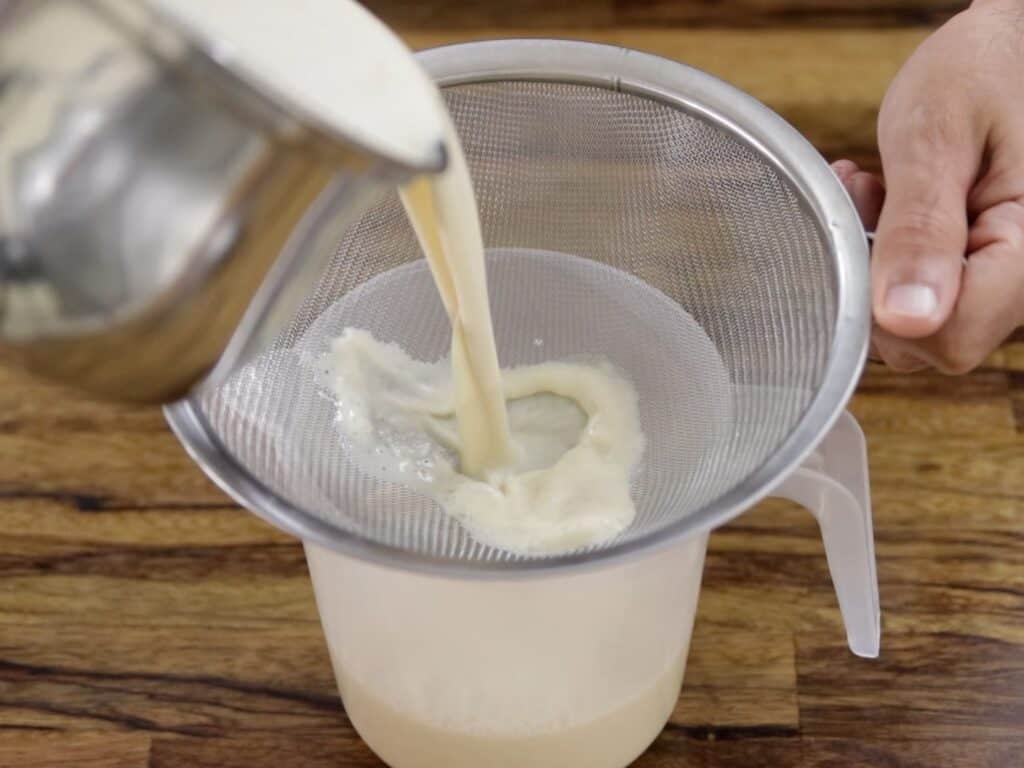
- Strain to make it extra silky. Even if the custard looks smooth, always strain it through a fine-mesh sieve after cooking. This removes any tiny cooked bits and guarantees a velvety finish.
- Serve chilled for the best flavor. Eggnog tastes even better after a rest in the fridge, at least 4 hours, but ideally overnight. This allows the flavors to meld and the consistency to thicken naturally.
- Use freshly grated nutmeg. Fresh nutmeg has a warm, aromatic intensity you simply can’t get from pre-ground. A microplane grater makes it super easy.
- Adjust the flavor after chilling. Eggnog tastes sweeter and spicier when warm, so always do a final taste test after it has chilled. Add a splash of vanilla or an extra pinch of spice if needed.
- Wait to spike it. If adding alcohol, stir it in once the eggnog has cooled to prevent the spirits from cooking off. Starting with a light pour lets you adjust the flavor and strength to taste.
How to Serve Eggnog
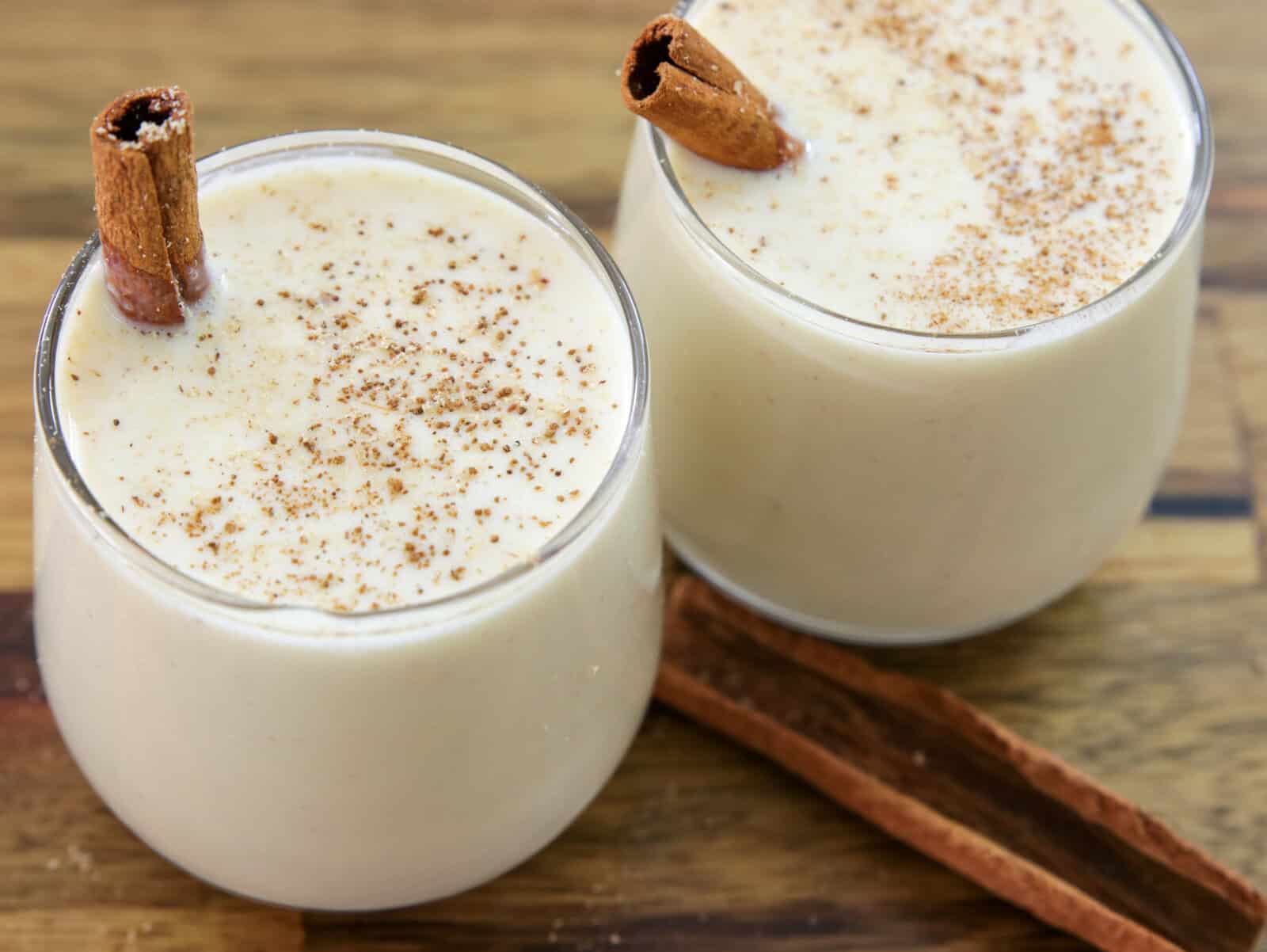
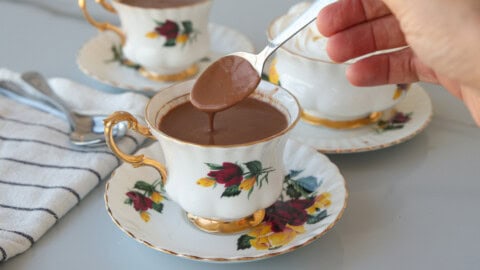
Homemade eggnog is at its absolute best when served thoroughly chilled, ideally after resting overnight so the flavors can fully bloom. Pour it into festive mugs or small punch glasses, then finish each serving with a dusting of freshly grated nutmeg. If you’re feeling fancy, add a cinnamon stick for stirring or a dollop of lightly whipped cream for extra indulgence.
Eggnog is rich and creamy, so consider pairing it with crunchy treats like crispy oatmeal cookies, 2-ingredient coconut cookies, or Danish butter cookies for textural contrast. For parties, set up a small “eggnog bar” with optional spirits, fresh spices, and toppings so guests can customize their glass.
For a cozy morning treat, use it as a festive coffee creamer (coffee and eggnog is awesome!), warm it gently for a hot eggnog latte, or use it as the base for the best French toast. It’s also incredible blended into milkshakes, churned into ice cream, or used as a dairy substitute in baked goods like bread pudding or pumpkin muffins.
How to Store Homemade Eggnog
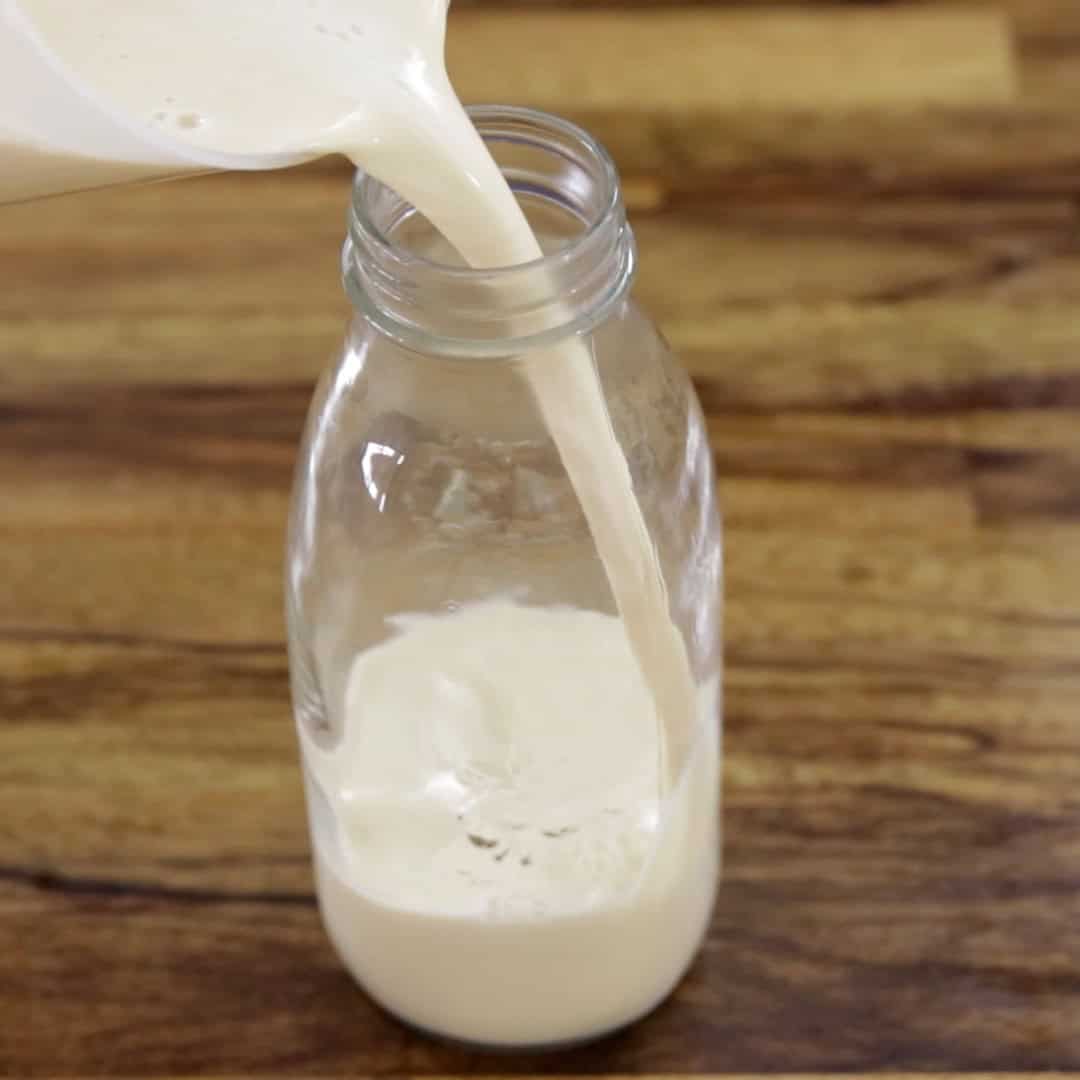
- Refrigeration: For the freshest, safest results, transfer your homemade eggnog to a tightly sealed bottle or airtight container and pop it in the refrigerator right away. Eggnog is best enjoyed within 3-4 days, though a spiked version may keep a little longer thanks to the alcohol’s natural preservative effect. Don’t be alarmed if the mixture separates slightly as it chills, just give it a quick shake or stir before pouring.
- Freezing (Not Recommended): While freezing might seem tempting, it’s not ideal; the custard base can turn grainy or watery once thawed.
More Winter Drink Recipes
Classic Homemade Eggnog Recipe (With or Without Alcohol)
Equipment
Ingredients
- 2 cups (480 ml) Milk
- 1 cup (240 ml) Heavy cream
- 6 Egg yolks
- ½ cup (100 g) Sugar
- Pinch Salt
- 1 teaspoon Vanilla extract
- ¼ cup (60 ml) Cognac/Whisky/bourbon/rum (optional)
- ¼ teaspoon Cinnamon
- ¼ teaspoon Nutmeg
- ¼ teaspoon Cloves
Instructions
- Whisk the yolks: In a large bowl, whisk egg yolks and sugar until pale, thick, and fluffy. Set aside.
- Heat the dairy: In a saucepan, combine milk, cream, salt, cinnamon, nutmeg, and cloves. Heat until just simmering (do not boil).
- Temper the eggs: Slowly pour the hot milk mixture into the egg yolks while whisking constantly to prevent curdling.
- Cook gently: Return the mixture to the saucepan. Cook over low heat, stirring constantly with a wooden spoon, until slightly thickened and coats the back of the spoon, or reaches 160°F (70°C).
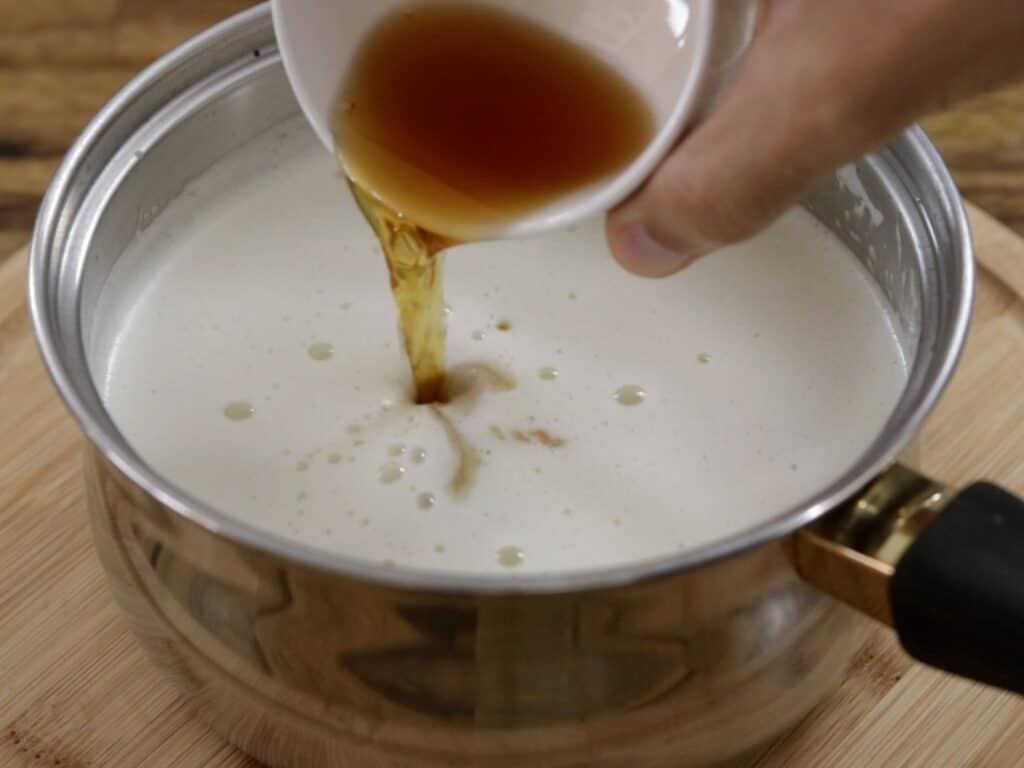
- Finish: Remove from heat. Stir in vanilla and alcohol (if using). Strain through a fine-mesh sieve for extra smoothness.
- Chill: Transfer to a bottle or pitcher and refrigerate for at least 2 hours.
- Serve: Pour over ice (optional) and finish with freshly grated nutmeg and a pinch of cinnamon.
Video
Notes
- Texture & Safety: Cooking the eggnog to 160°F (70°C) ensures the eggs are safe while keeping the texture silky, not scrambled. It will thicken slightly more as it chills.
- Alcohol Options: Cognac adds elegance, bourbon adds warmth, rum adds sweetness, and whiskey gives a bold finish. For a stronger flavor, you can increase alcohol to ⅓ cup, but don’t overdo it.
- Non-Alcoholic Version: For an alcohol free eggnog recipe, simply omit the alcohol. For extra depth, add ½ tsp more vanilla or a splash of maple syrup.
- Storage: Store covered in the refrigerator for up to 3 days. Stir well before serving.
- Make Ahead: Eggnog actually improves after a day in the fridge as the flavors meld, perfect for holiday prep.
- Serving Ideas: Serve chilled, over ice, or warm gently on the stove. Use as a base for eggnog lattes, holiday cocktails, or even in French toast, pancakes, or baked desserts.
- Leftover Egg Whites: This recipe uses only egg yolks, so if you’re wondering what to do with the leftover egg whites, I’ve shared plenty of easy ideas and tips in my What to Do With Leftover Egg Whites guide.
Nutrition
FAQs
Absolutely. This recipe works perfectly as a non-alcoholic eggnog, simply skip the alcohol. The custard base is rich and flavorful on its own, making it ideal for kids and anyone who prefers an alcohol-free holiday drink.
Yes. This eggnog is cooked gently to about 160–170°F (70–75°C), which safely cooks the egg yolks while keeping the texture smooth and creamy. This step eliminates the risk associated with raw eggs.
Freezing eggnog is not recommended. Because it’s a custard-based drink made with milk, cream, and egg yolks, freezing can cause the mixture to separate and turn grainy once thawed. For the best texture and flavor, store eggnog in the refrigerator and enjoy it within a few days.
Eggnog is traditionally made from a rich, custardy base of milk, cream, egg yolks, sugar, and warm spices like cinnamon and nutmeg. Many versions also include vanilla for extra flavor, and some are finished with rum, bourbon, or brandy for a boozy holiday twist.
Your stomach might hurt after drinking eggnog because it’s very rich, high in fat, sugar, and dairy, which can be hard to digest for some people. If you’re lactose intolerant, the milk and cream can cause bloating or discomfort. Overly sweet or boozy eggnog can also upset sensitive stomachs. Drinking smaller portions or making a lighter or lactose-free version often helps.
We drink eggnog at Christmas because it has deep roots in old European holiday traditions. The drink evolved from a medieval British beverage called posset, a warm, creamy mixture enjoyed during winter celebrations. When dairy, eggs, and spices were expensive, serving eggnog was a sign of hospitality and abundance, making it perfect for festive gatherings. As the tradition crossed into America, it became closely tied to Christmas thanks to its cozy, indulgent flavor and the season’s emphasis on special treats.


Can I lighten it up a bit? I imagine that this calls for whole milk. What if I use 2% instead?
Sure, you can use 2% milk.
Best ever eggnog recipe! Thank you!
Glad you liked it.
The best racipe
Thank you 🙂