What to Do with Leftover Egg Whites: Easy Recipes and Ideas
This post may contain affiliate links.
If you’ve ever made a custard, pudding, ice cream base, or even fresh pasta, chances are you’ve found yourself wondering What To Do With Leftover Egg Whites. It’s easy to let them sit in the fridge, planning to “use them later,” only to find them pushed to the back and forgotten until it’s too late. I hate when that happens!
So, instead of tossing them or letting them rot on the shelf, why not treat your whites as the versatile ingredient they really are? Whether you’re trying to reduce food waste or stretch your grocery budget a little further, there are plenty of smart, tasty, and clever ways to use extra egg whites. Let’s dig in!
What Are Egg Whites, Actually?
Egg whites, or albumen, are the clear, viscous part of the egg that surrounds the yolk. While the yolk contains all the fat and most of the nutrients, the white is made up primarily of water and protein—specifically a mix of proteins like ovalbumin, conalbumin, and avidin.
This protein structure is what makes egg whites so useful in cooking. When whipped, they trap air, creating volume and structure. When heated, they firm up and bind, making them useful in everything from meringues to meatballs. In short, they’re a super functional ingredient, NOT just a byproduct to be tossed!
How to Easily Separate Eggs
If you’re starting with whole eggs, separating them doesn’t have to be a chore. Here are a few tips:
- Cold eggs work best. Yolks are firmer and less likely to break when cold, but room temperature egg whites are best for whipping.
- Use three bowls. I know it sounds fussy, but if even the littlest bit of yolk gets into a batch of whites, the whole bowl is at risk of being unwhippable. To prevent this from happening, use one bowl for catching the white as you separate the egg, one bowl for putting the yolk in, and another to dump the whites from the working bowl after each separation. This way, if one of your yolks breaks, you only lose one white (which can still be used for non-meringue uses) instead of the whole batch.
So, what’s the best way to separate them? You have a few options:
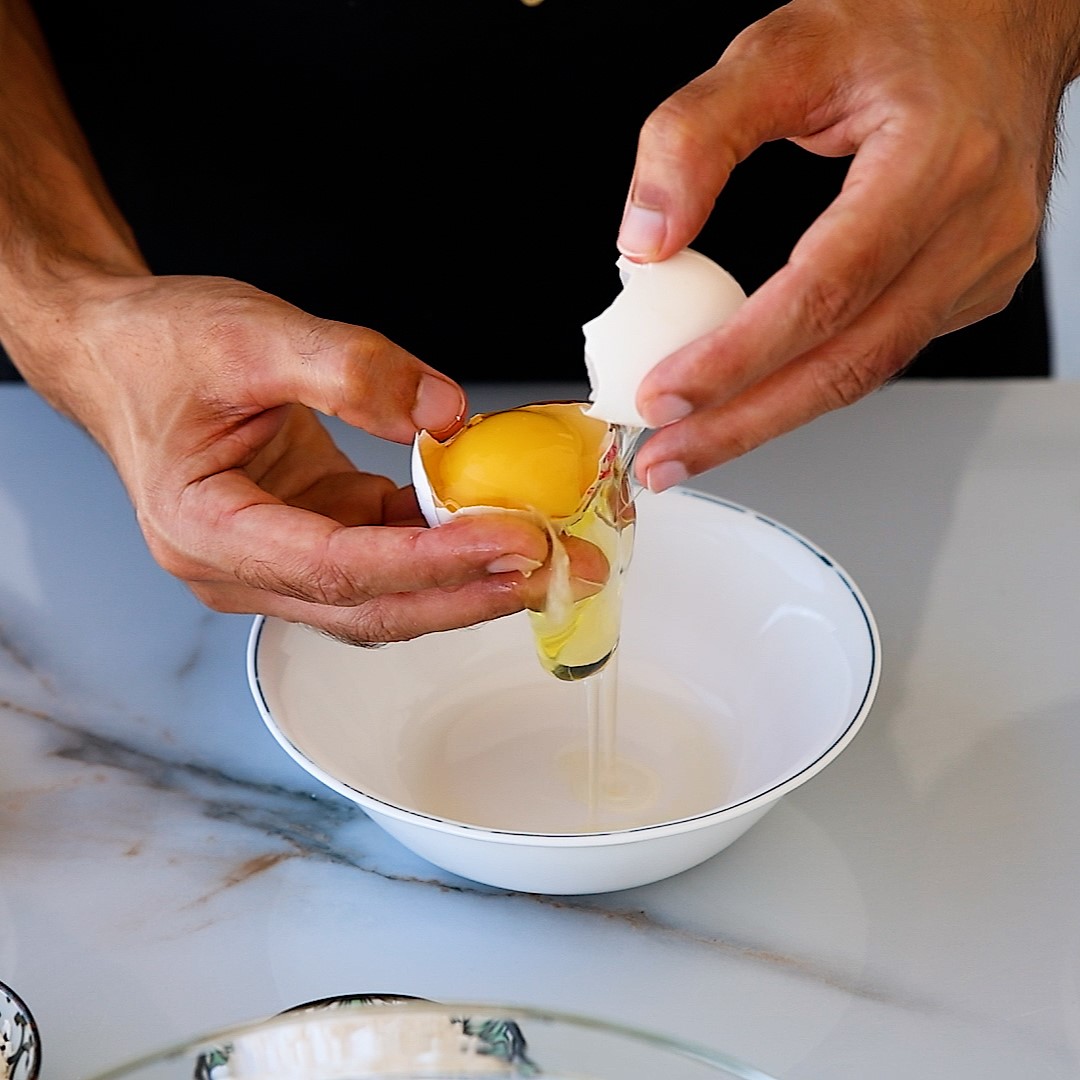
- The shell-to-shell method. Crack the egg and pass the yolk back and forth between the halves, letting the white fall into a bowl. This can sometimes be a little tricky since the edges are sharp, but it’s the way I learned to do it.
- Use your hands. Crack the egg into your clean palm and gently let the white slip through your fingers into a bowl. This is a bit messier (and it can make your fingers really cold!), but with no sharp edges to worry about, it’s the easiest way to prevent broken yolks.
- Egg separator tool. I’m not a huge fan of single-use gadgets that take up space, but I know several people who swear by these things!
How to Store Egg Whites
Egg whites are surprisingly easy to store if you’re not ready to use them right away:
- Refrigeration – Store in an airtight container in the fridge for up to 4 days. Label and date the container with a piece of masking tape to keep track.
- Freezing – Egg whites freeze beautifully. Pour them into a freezer-safe container and label with the date and number of whites inside. They should keep well in the freezer for up to 6 months.
Freezing in ice cube trays – For easy portioning, freeze individual whites in an ice cube tray. Once solid, transfer to a freezer bag and remove as much air as possible. When ready to use, thaw overnight in the refrigerator or in a container submerged in a bowl of cool water.
How Much Egg White Is in an Egg?
Not all eggs are created equal; their size affects how much white you’ll get per egg. Here’s a general guide of how many eggs you’ll need to make approximately 1 cup of egg whites:
- Small = 9 whites
- Medium = 8 whites
- Large = 7 whites
- Extra Large = 6 whites
- Jumbo = 5 whites
So, if a recipe calls for 1/2 cup of egg whites, you’ll need about 4 large eggs.
Recipes With Egg Whites
If you’ve got a few egg whites on hand, here are some classic recipes to use them up.
Baked Goods
Egg whites can be used in dozens of different baked goods, adding structure, lift, and a chewy-crisp texture.
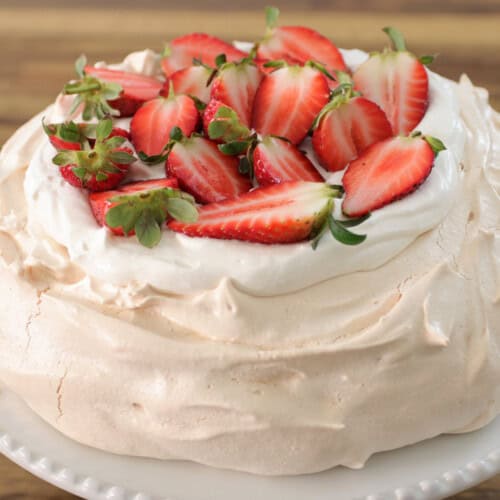
Pavlova Recipe
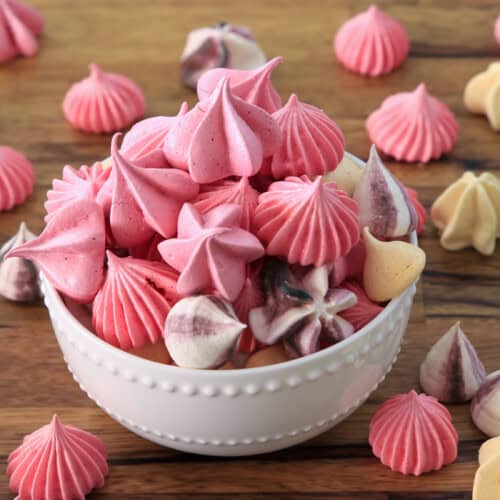
Meringue kisses Recipe | How to Make Meringue Cookies
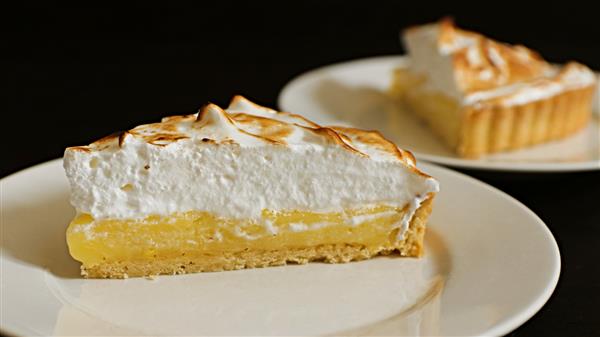
Lemon Meringue Pie Recipe
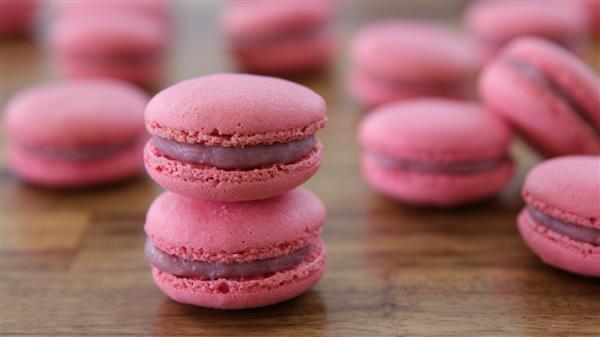
French Macarons Recipe
Almond Cookies Recipe (Soft and Chewy)

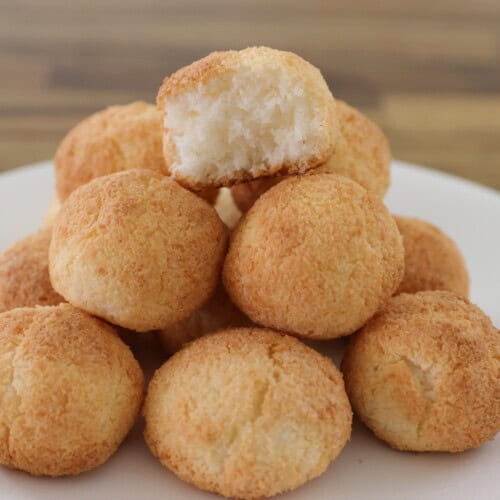
3-Ingredient Coconut Cookies Recipe
Breakfast Dishes
Looking to lighten up your breakfast? Try swapping in low-fat egg whites for whole eggs in your favorite recipes.
Tortilla Omelet Hack | Breakfast Burrito Recipe
Tortilla Omelet Recipe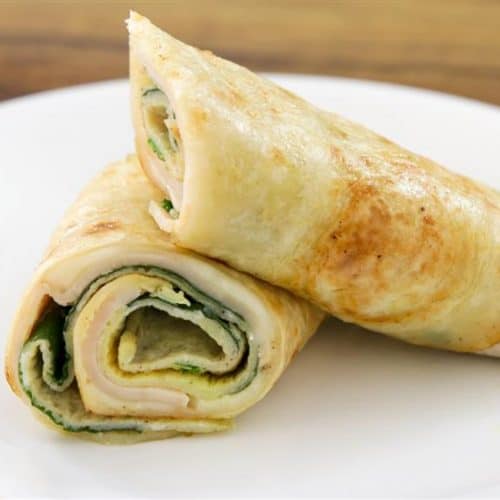
4 Easy Quiche Recipes | How to Make a Quiche
Easy Quiche Recipes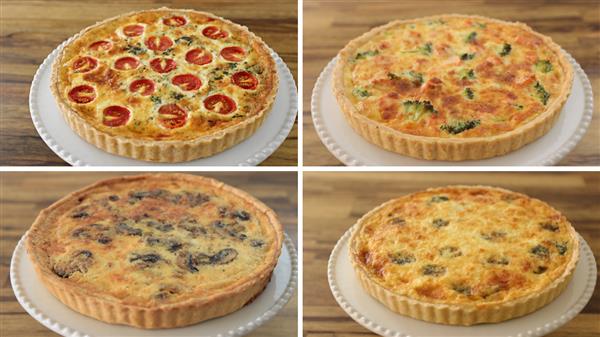
Other Treats
Egg whites aren’t just for baking. They’re also a fantastic ingredient for homemade confections!
Easy Homemade Torrone | Soft & Chewy Italian Nougat

Cocktails
If you want to step up your cocktail game, try using egg whites.
Classic Whiskey Sour Recipe

Other Clever Ways to Use Egg Whites
Even if you’re not baking, there are plenty of surprising ways to use leftover whites:
- Boost protein in oatmeal – Whisk in an egg white or two while cooking oats for a fluffy, protein-rich breakfast.
- Smoothies – Add pasteurized egg whites for a protein boost with zero flavor.
- Frothy cocktails – Classic drinks like Whiskey Sours or Pisco Sours use whipped egg whites for a smooth, silky froth.
- Velveting meat – In Chinese cooking, egg whites are used to coat chicken or beef before stir-frying, making the meat extra tender.
- Clarifying broth – In traditional consommé, egg whites are used to trap impurities, resulting in a crystal-clear broth.
Did I miss one of your favorite uses for egg whites? Let me know in the comments below!
Tips for Using Egg Whites in Recipes
- Room temperature is best for whipping. Whites whip up with more volume when they’re not cold. Let them come to room temperature for about 30 minutes to an hour before you start.
- Avoid yolk contamination. Even a tiny bit of fat from the yolk can prevent stiff peaks. If you got some yolk in there, not all is lost—you can still use that white for scrambles, frittatas, and other non-meringue uses!
- Use a clean, dry bowl. If you’re whipping whites, any grease or residue can ruin the foam.
- Add cream of tartar. Just a pinch helps stabilize whipped whites and keeps them from deflating. If you don’t have any on hand, a little bit of lemon juice or white vinegar will do the trick!
- Label and date your stored whites. Whether you store them frozen or refrigerated, make sure you know how long your leftover egg whites have been there. I always keep a roll of masking tape and a sharpie in my kitchen for just this purpose!
- Measure carefully. If you freeze all your whites together in one container, remember that 2 tablespoons = 1 large egg white.
FAQs
Yep! Hop back up to the storage instructions for further details.
Yes, you can drink egg whites, especially if they’re the store-bought kind sold in cartons. In the U.S., most store-bought eggs (not just liquid eggs) are pasteurized, which means they’ve been heat-treated to kill bacteria like Salmonella, making them safe to consume raw. That said, if your egg whites are farm-fresh and unpasteurized, it’s more of a personal call. Some people are totally fine with the risk, while others prefer to play it safe. I personally don’t mind drinking them straight, but then again, I also eat my eggs over easy. If you’re not fully cooking your yolks anyway, there’s not much difference. When in doubt, go pasteurized.
Whether you’ve got one lonely leftover egg white or a whole cup worth, there’s no reason to let them go to waste. With a little creativity and know-how, they can become the start of your next great dish. As they say, “waste not, want not.” Cheers to you and your budget-savvy, earth-friendly ways!!