
Savory Cabbage Cake | Easy and Healthy Recipe
This post may contain affiliate links.
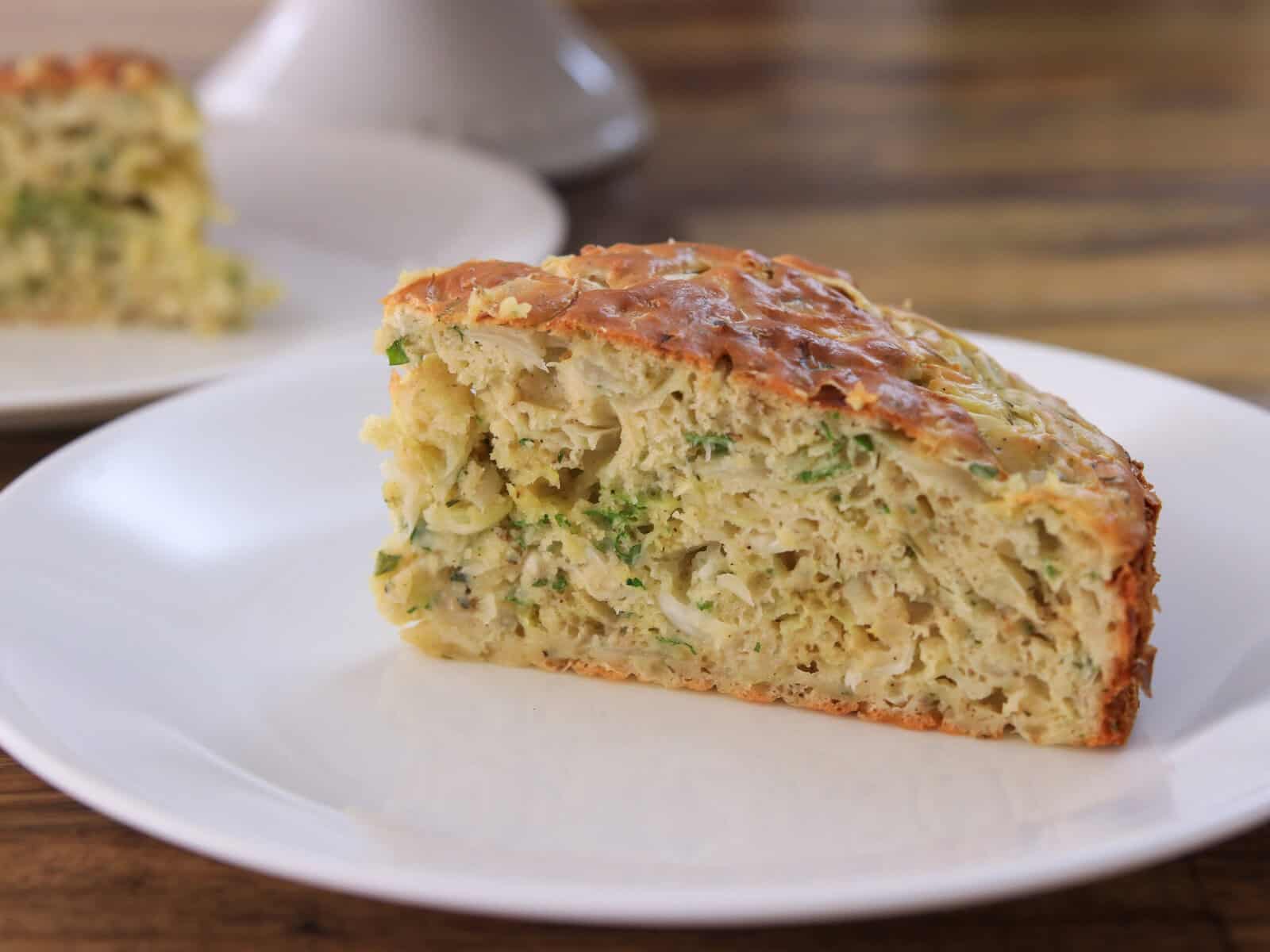
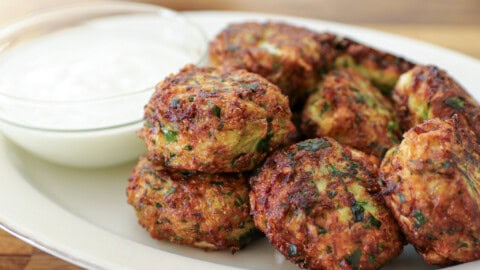
If you’re looking for a cozy, budget-friendly, meal-preppable vegetarian dinner, look no further than my deliciously savory Cabbage Cake recipe! This fluffy, fragrant, and fuss-free meal is essentially a giant baked cabbage fritter, perfect for slicing and serving with a dollop of Greek yogurt.
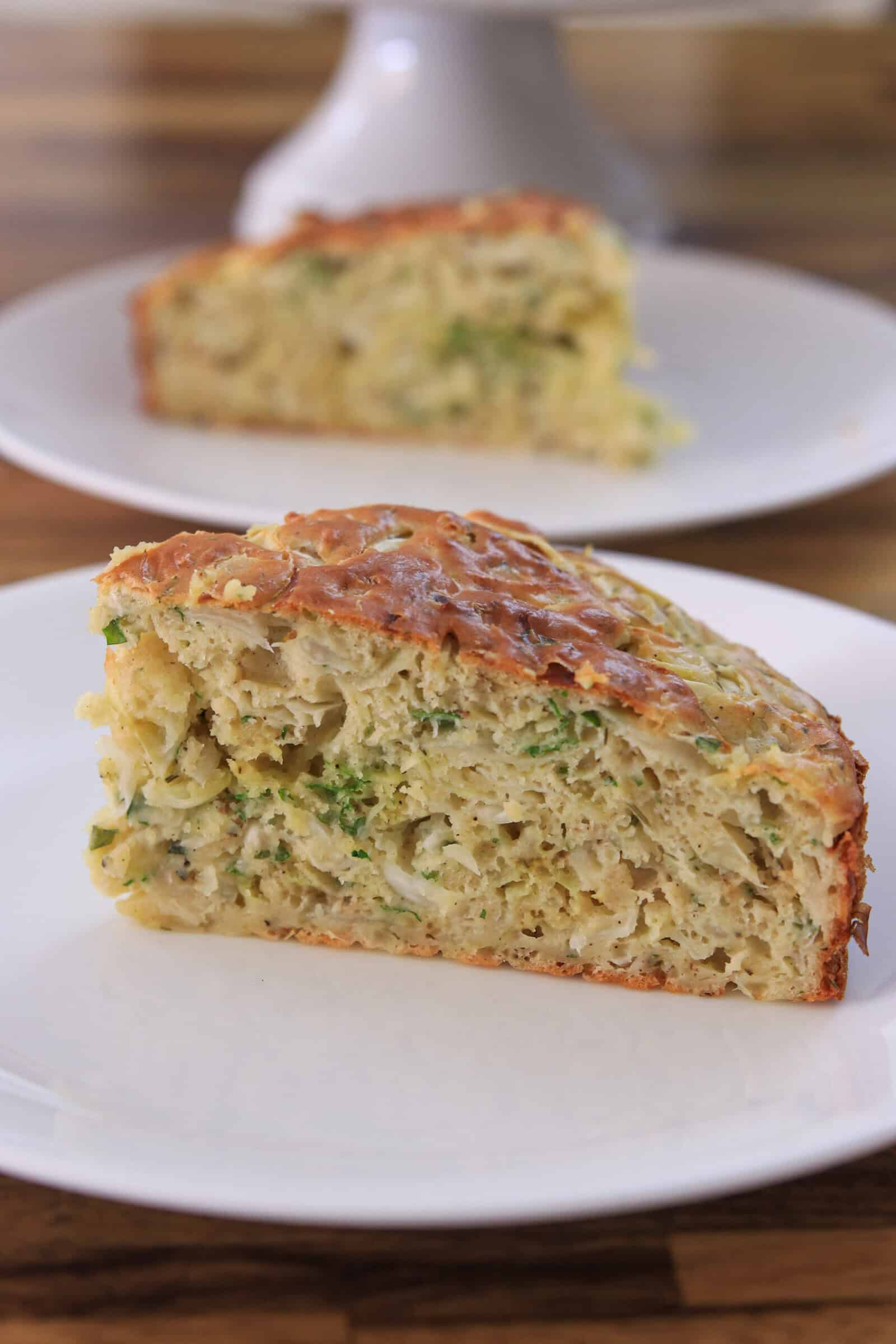
When it comes to affordable, versatile, nutritious ingredients, it’s tough to beat the humble cabbage. A staple the world over, this cheap cruciferous veg is great for long storage and tastes great raw or cooked. From Eastern European favorites like cabbage cakes and classic cabbage rolls to Asian cabbage salad and Russian cabbage pie, there are dozens of ways to turn it into dinner!
Ingredients & Substitutions
- Cabbage – The heart of our recipe. I personally prefer using green cabbage, but red cabbage, Napa cabbage or conehead cabbage all work, too!
- Olive Oil – EVOO adds another layer of savory flavor, but you’re welcome to swap in any cooking oil you prefer.
- Onion & Crushed Garlic – My favorite allium duo! Feel free to use any color of onion or swap in shallots.
- Fresh Parsley – Parsley adds a nice citrusy undertone. If you don’t have fresh, use ⅓ as much dry.
- Plain Yogurt & Large Eggs – These two binders add structure and a nice boost of protein. If you’re using a different size of egg, note that 1 large egg = ¼ cup.
- All-Purpose Flour, Baking Powder & Salt – Together these form self-rising flour, so feel to swap that in if you prefer.
- Baking Soda – This leavener has different chemical properties than baking powder, so they are not interchangeable.
- Black Pepper, Mustard Powder, Thyme & Oregano – Dried herbs and spices round out the flavor with warmth and punchiness. Make sure to use freshly cracked black pepper for the most potent flavor.
This is just a short review of the ingredients; for the complete recipe, including quantities, scroll down to the recipe card 👇
Cabbage Pie vs. Cabbage Cake
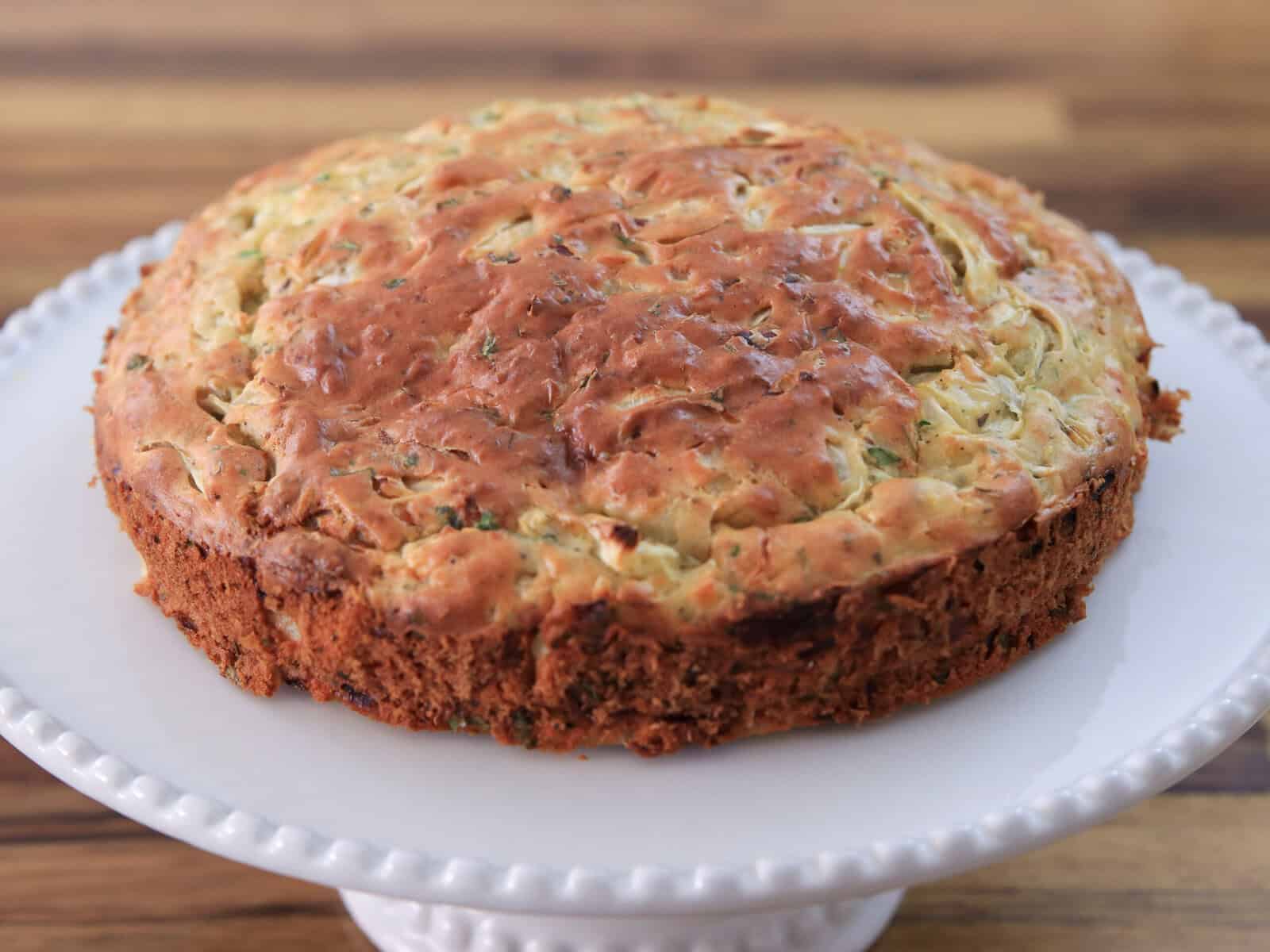
At first glance, cabbage cake and Russian cabbage pie might seem almost the same. In fact, cabbage cake is sometimes even called cabbage pie, which can be confusing. But their preparation, textures, and flavors make them more like distant cousins than siblings.
Russian cabbage pie is a classic Slavic comfort food. The dough, made with mayonnaise, eggs, flour, and baking powder, is poured over a hearty filling of sautéed cabbage, onion, carrot, and bell pepper. It bakes into a slightly bready, casserole-like dish, often topped with sesame or nigella seeds.
Cabbage cake takes a lighter, tangier approach. It uses yogurt instead of mayo, along with garlic, Mediterranean herbs, and mustard powder. With both baking powder and baking soda, the texture is fluffier and more uniform.
So, while both highlight the nutty-sweet flavor of cabbage, they’re quite different. Russian cabbage pie is rich and layered (like a rustic vegetable pie), while cabbage cake is lighter and uniform (closer to a crustless quiche). If you prefer a classic quiche with a flaky base, you can use a proper crust like in my homemade quiche crust recipe.
How to Make Cabbage Cake
Watch the full video recipe to learn how to make the BEST Cabbage Cake recipe.
Prefer the written recipe? Scroll down to the recipe box 👇
Optional Variations & Dietary Adaptations
- Egg-Free – While I haven’t tried it, I think cabbage cake should work well with vegan alternatives. I recommend replacing each egg with a “flax egg” (1 tablespoon ground flaxseed + 3 tablespoons water + 5 minutes to thicken). The flax helps bind the batter and keeps the cake moist while adding a subtle nutty note.
- Dairy-Free – Swap in your favorite vegan yogurt or sour cream alternative.
- Gluten-Free – Use a 1:1 gluten-free all-purpose flour blend instead of regular flour. Make sure your blend includes xanthan gum or another binding agent to help the cake hold together and give the batter 30 minutes to rehydrate before baking.
Once you’ve mastered the base recipe, try mixing things up with these easy, flavorful twists:
- Cheesy Herb Cabbage Cake – Stir ½ cup grated feta, mozzarella, or cheddar into the batter for extra richness. Top with a sprinkle of cheese before baking for a golden, savory crust.
- Spicy Cabbage Cake – Add ½-1 teaspoon chili flakes, smoked paprika, or cayenne pepper to the batter for a gentle heat that balances the tangy yogurt and sweet cabbage.
- Mediterranean-Style – Mix in chopped sun-dried tomatoes, olives, and a pinch of za’atar or rosemary.
- Green Goddess Style – In addition to parsley, mix in fresh dill, chives, and/or cilantro, and serve with a dollop of Greek yogurt or tzatziki on the side for a bright, herby finish.
Expert Tips & Tricks
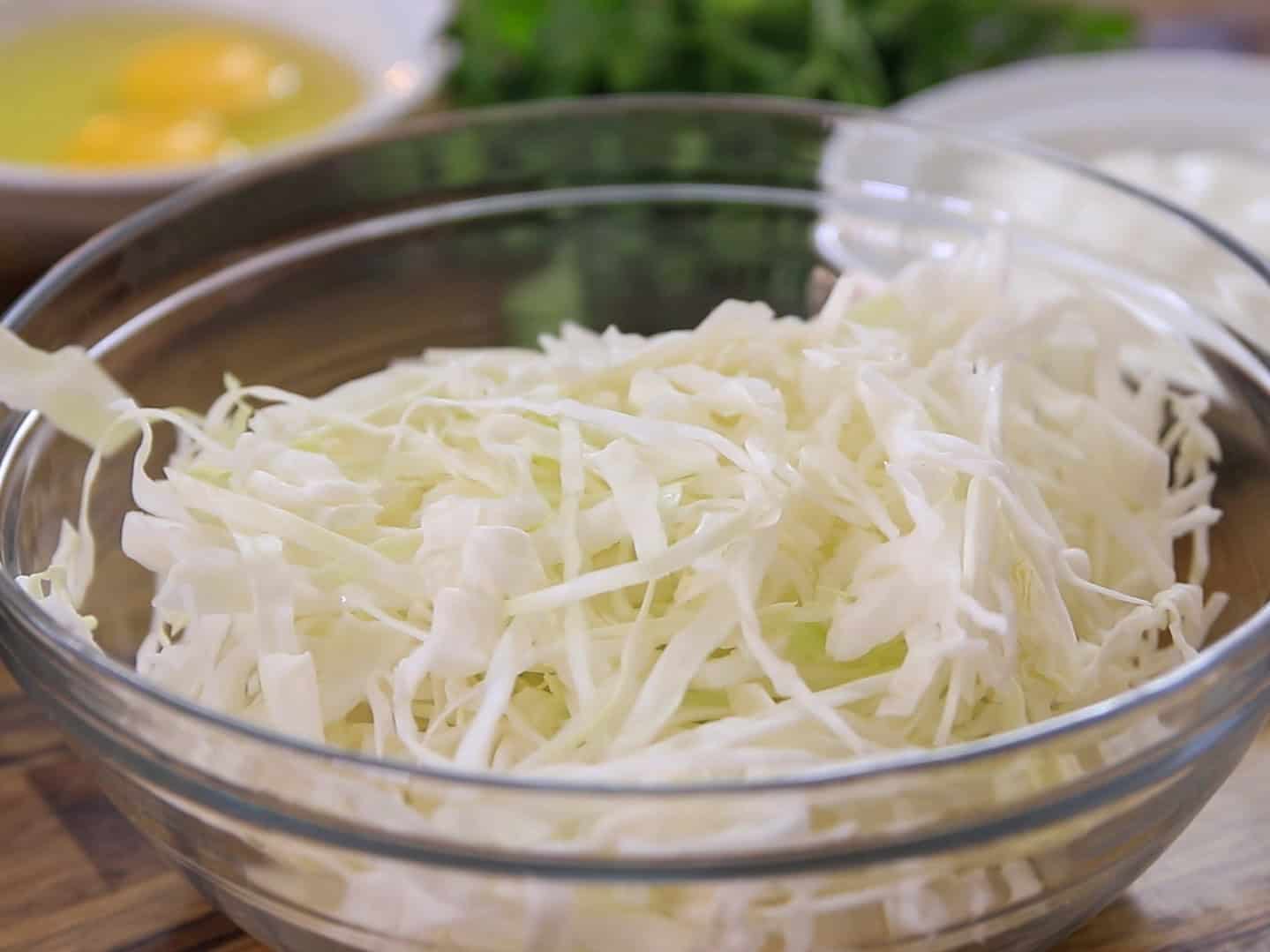
- Slice the cabbage thinly. The thinner the cabbage, the more tender and evenly cooked your cake will be. Aim for fine shreds rather than thick chunks. A food processor makes short work of it!
- Don’t skip sautéing the cabbage and onions. Lightly cooking the vegetables first draws out moisture and builds flavor, so your cabbage cake bakes up rich and savory, not soggy.
- Use room-temperature ingredients. Cold yogurt and eggs can make the batter thicker and harder to mix. Let them sit out for 15-20 minutes before you start.
- Adjust seasoning to taste. Different cabbages vary in sweetness and flavor. Taste your sautéed mixture before combining with the batter and adjust the salt, pepper, or herbs as needed.
- Avoid overmixing. Stir the batter just until combined, or the texture may end up dense instead of soft and fluffy.
- Line your pan with parchment paper. This makes removing the cake a breeze and helps prevent sticking, especially if you’re using a ceramic or glass dish.
- Let it rest before slicing. Give the cabbage cake 10-15 minutes to cool after baking. This helps it firm up slightly, making cleaner slices and better texture.
- Cabbage has layers. If yours has gotten a little wrinkly or sad looking in the crisper drawer, try peeling off a few layers of leaves. Chances are there’s plenty of goodness underneath!
How to Serve Cabbge Cake
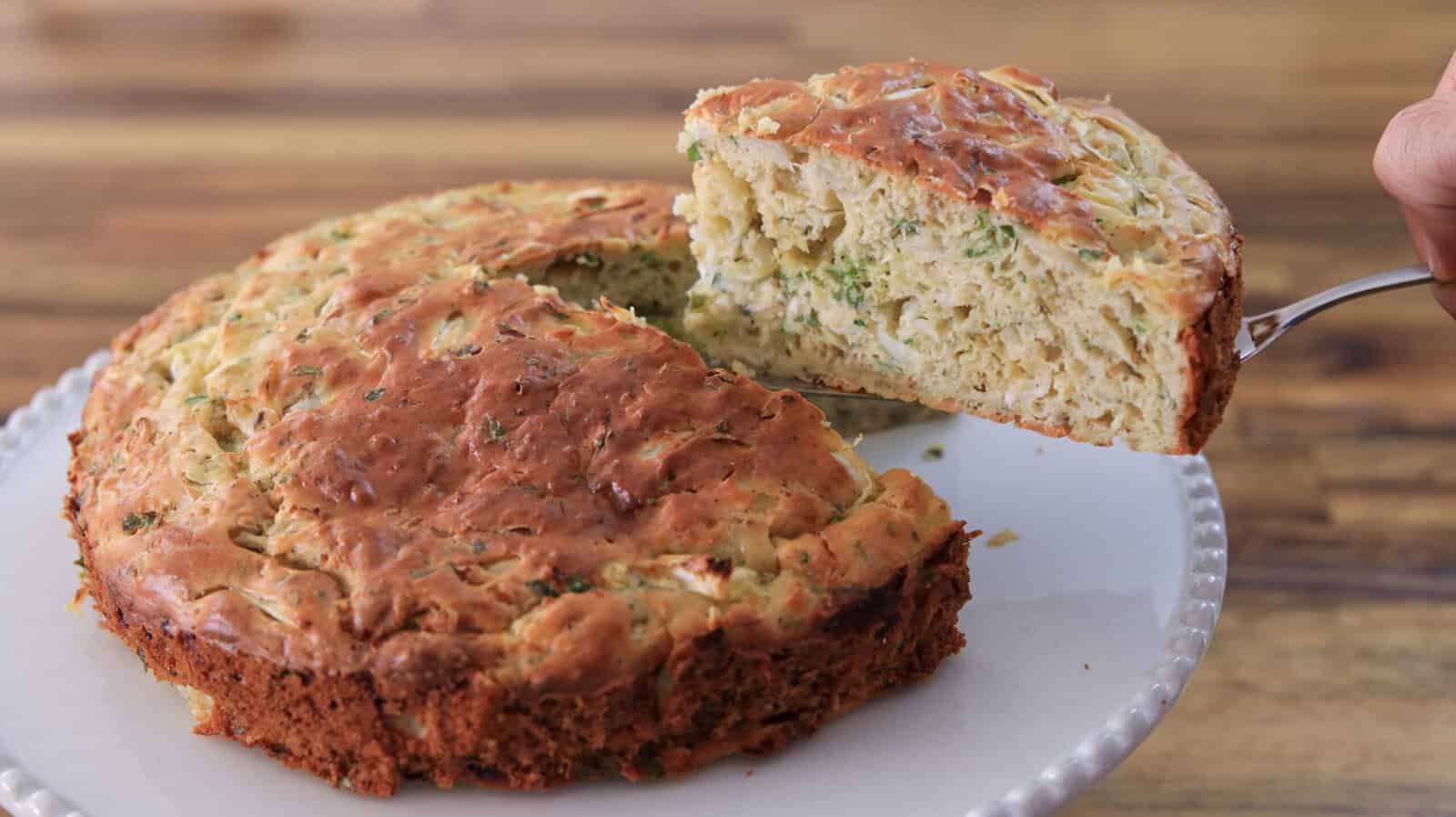
Cabbage cake is one of those rare dishes that’s just as delicious warm, room temperature, or even straight from the fridge. Plus, because the flavors only get better overnight, cabbage cake is perfect for meal prep or easy weekday lunches.
Serve it as a light main course with a crisp green salad, easy tomato soup, or a comforting lentil soup for a cozy meal. It also makes a lovely addition to a brunch spread, pair it with shakshuka , fried or poached eggs, sliced tomatoes, and a dollop of tzatziki for extra richness. For entertaining, cut it into bite-sized squares and serve as an appetizer with creamy tahini sauce, sour cream, or garlic yogurt for dipping.
Storage & Reheating
- Refrigeration: Store leftover cabbage cake in an airtight container in the refrigerator for up to 4–5 days. To keep the texture moist, let it cool completely before covering or sealing.
- Freezing: For longer storage, you can freeze individual slices for up to 2 months. Wrap each slice tightly in plastic wrap, then place them in a freezer-safe bag or container.
- Reheating: When you’re ready to enjoy, thaw in the refrigerator overnight, then reheat in a 350°F (175°C) oven for about 10–15 minutes or in a skillet over medium-low heat until warmed through. If you like a crisp top, pop your slice under the broiler for 1–2 minutes at the end of reheating for that freshly baked finish. Avoid microwaving as it can make the texture a bit rubbery.
More Vegetarian Recipes You’ll Enjoy
Savory Cabbage Cake | Easy and Healthy Recipe
Equipment
Ingredients
- 12 oz (340 g) Cabbage
- 3 tablespoons Olive oil
- 1 large Onion finely chopped
- ¼ bunch Parsley chopped
- 11 oz (315 g) Plain yogurt
- 3 Eggs Large
- 3 cloves Garlic crushed
- 1½ cups (190 g) All-purpose flour
- ½ teaspoon Baking soda
- 1 teaspoon Baking powder
- 1½ teaspoons Salt
- ½ teaspoon Black pepper
- ½ teaspoon Mustard powder
- 1 teaspoon Thyme
- 1 teaspoon Oregano
Instructions
- Preheat oven: Set to 350°F (180°C). Line a 9-inch (23cm) round baking pan with parchment paper or lightly grease it with oil.
- Prepare cabbage: Finely chop the cabbage and place it in a large mixing bowl.
- Sauté vegetables: Heat olive oil in a large skillet over medium heat. Add the chopped onion and cook for 4–5 minutes until soft. Stir in crushed garlic and cook for another 1–2 minutes. Remove from heat and add to the cabbage bowl. Mix in the chopped parsley.
- Make the batter: In a separate bowl, whisk together the eggs and yogurt. Add flour, baking powder, baking soda, salt, black pepper, mustard powder, thyme, and oregano. Mix until well combined.
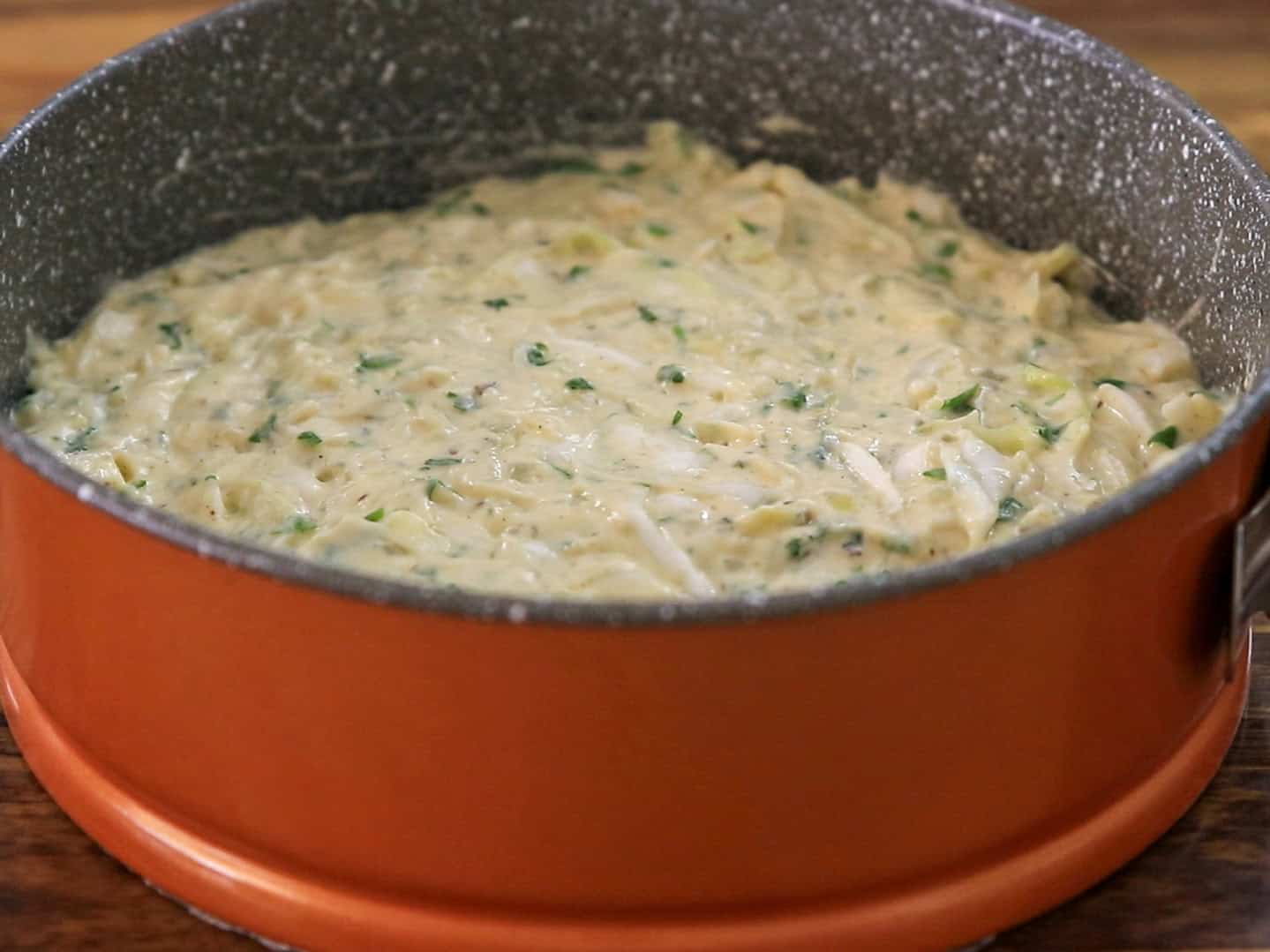
- Combine: Add the cabbage mixture to the batter and stir until evenly incorporated.
- Bake: Pour the mixture into the prepared pan and spread evenly. Bake for about 40 minutes, or until golden brown and a toothpick inserted in the center comes out clean.
- Serve: Allow to cool slightly before slicing. Enjoy warm or at room temperature.
Video
Notes
- Cabbage: Use green or white cabbage. Savoy or Napa cabbage also work, but their texture is slightly softer.
- Add-ins: You can add shredded carrots, chopped spinach, or crumbled feta for extra flavor.
- Yogurt substitute: Greek yogurt or sour cream can replace plain yogurt in the same amount.
- Herbs & spices: Feel free to switch up the herbs — dill, basil, or chives are all great options.
- Baking pan: A 9-inch round or square pan works best. You can also bake it in a loaf pan for a thicker “bread-like” result.
- Serving suggestions: Serve with a side of sour cream or yogurt dip. It pairs wonderfully with soups or salads.
- Storage: Store leftovers in an airtight container in the refrigerator for up to 3 days. Reheat in the oven or enjoy cold.
- Freezing: Once cooled, wrap slices individually and freeze for up to 2 months. Reheat directly in the oven.
Nutrition
FAQs
Soaking cabbage in salt water helps draw out excess moisture and reduce bitterness, which can improve texture and flavor in certain recipes like slaws or stir-fries. The salt also softens the leaves slightly, making them more pliable. However, for this cabbage cake recipe, there’s no need to soak, the cabbage is sautéed first, which naturally tenderizes it and brings out its sweetness.
Cabbage’s flavor really shines when paired with aromatics, herbs, and a touch of acid or fat. Ingredients like onion, garlic, olive oil, mustard, or lemon juice help balance its natural sweetness. Spices and herbs like thyme, oregano, paprika, or dill add depth and complexity. Sautéing or roasting cabbage also enhances its flavor by bringing out a subtle, caramelized sweetness.





Made this last night and it’s already gone! Delicious! made it with spelt flour which added a little nutty taste. I tried it today with topped feta and then heated it in the microwave and it elevated it even more! will definitely make again (with the feta inside next time).
That sounds amazing! So glad you enjoyed it! The feta addition inside sounds delicious, can’t wait for you to try it that way next time!
Just finished baking this pie. I followed the recipe, used half whole wheat flour. The pie is very tasty but I wondered if it was under cooked something like was said above. Maybe that’s the way it was supposed to be. I would make it again regardless.
I made this cabbage pie yesterday afternoon. Even though there are quite a few ingredients, it was very easy to put together. I used Fage Total 2% yogurt, but had to add about 1/3 cup of milk to thin it out because this yogurt is quite thick.
My husband and I loved this savory pie and I will be making it often. It turned out just like your photo shows on your website. I will be making more of your recipes as they look easy and appetizing.
Thanks for this tasty recipe.
My pie was quite soggy despite baking it for an hour. Wonder if I should bake it at 400 degrees. It is delicious!
What are the calories in this?
I was wondering the same thing. I will try to figure it out. And if I do I will let you know. I am sure if I break it down I can figure it out. Cuz this does look really good. But I am restricting my calories. I have lost 60 pounds.