
Cream Cheese Frosting Recipe for Cakes & Cupcakes
This post may contain affiliate links.
Next time you’re baking a cake, cupcakes, sugar cookies, or cinnamon rolls, do yourself a favor and make a batch of my easy Cream Cheese Frosting recipe! This simple upgrade is made with just 4 ingredients in about 5 minutes and is perfect for swiping, piping, dolloping and spooning onto all your favorite goodies.

There’s nothing quite like a bakery-worthy red velvet cupcake or a slice of homemade carrot cake with cream cheese frosting to put a smile on your face. But as much as I love the cakes themselves, the tangy-sweet frosting is my favorite part! This is my go-to vanilla cream cheese frosting for cake, cupcakes, cookies, and more. It’s a snap to make and is always a crowd-pleaser.
Ingredients & Substitutions

- Unsalted Butter – If possible, opt for European-style butter, which has a higher fat content than conventional American butter. I also like to use cultured butter to add another layer of flavor to the mix. I personally find that cream cheese is salty enough on its own, but you’re welcome to use salted butter if you like!
- Cream Cheese – Make sure you’re reaching for full-fat block-style cream cheese for the best results. To make a slightly lighter cream cheese frosting, don’t reach for low-fat or fat-free alternatives, which are loaded with stabilizers and weird artificial add-ins. Instead, reach for Neufchatel cheese, which is a lighter farmer-style cheese that tastes similar to cream cheese and is made with all-natural ingredients.
- Powdered Sugar – This starchy sweetener has a super fine grind that ensures a perfectly silky, grit-free texture. The starch is also important for making pipeable cream cheese frosting that is stable enough to hold its shape. If you don’t have any on hand, you can make your own by blitzing white sugar with cornstarch or potato starch in a 1 cup to 1 tablespoon ratio.
- Vanilla Extract or Paste – Either option will infuse your frosting with the aromatic warmth and sweetness of vanilla. Reach for extract if you want a purer white appearance, or paste if you like little flecks of black vanilla bean throughout.
This is just a short review of the ingredients; for the complete recipe, including quantities, scroll down to the recipe card 👇
Choosing the Right Cream Cheese for Frosting

When it comes to cream cheese frosting, the type of cream cheese you use makes all the difference. Since it’s the star ingredient, it directly impacts the texture, flavor, and overall stability of your frosting.
For the richest, creamiest results, always use full-fat, block-style cream cheese (the foil-wrapped kind). It has a lower moisture content and higher fat content, which gives you a thick, smooth, and pipeable frosting.
Block cream cheese also holds its structure better when mixed with butter and sugar, meaning your frosting will be stable enough for spreading, piping, and layering cakes without becoming runny.
👉Avoid Tub-Style Cream Cheese. Spreadable cream cheese (the kind sold in tubs) contains more moisture and stabilizers, which can make your frosting too soft or slightly runny. This makes it harder to achieve clean swirls and defined edges.
👉Avoid Low-Fat/Nonfat Cream Cheese. They tend to produce a thinner, less stable frosting. If you want a lighter option, Neufchâtel is a better alternative, as it still behaves similarly to classic cream cheese (creamy and spreadable).
Cream Cheese Frosting: Video Recipe
Watch the full video recipe to learn how to make the BEST Cream Cheese Frosting.
Prefer the written recipe? Scroll down to the recipe box 👇
How to Make Cream Cheese Frosting


Cream Cheese Frosting Variations & Flavors
Once you’ve mastered a classic cream cheese frosting, it’s easy to customize it into all kinds of delicious variations.
- Chocolate Cream Cheese Frosting – For a rich, dessert-like twist, add cocoa powder or melted chocolate for a rich twist.
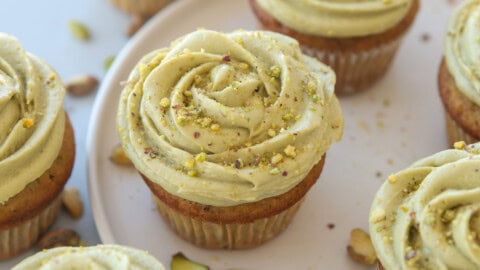
- Pistachio Cream Cheese Frosting – Add a few tablespoons of pistachio paste for a nutty, slightly sweet flavor and a naturally pale green hue. This pairs especially well with pistachio cupcakes, carrot cake, chocolate layer cake, or even vanilla cupcakes.
- Maple Cream Cheese Frosting – Add a splash of maple extract alongside the vanilla. This creates a warm, cozy flavor that’s perfect for fall bakes like maple cake or pumpkin muffins. You can also swap out the powdered sugar for maple syrup if you want a softer, meltier, more spreadable frosting (i.e. for cinnamon rolls).
- Espresso Cream Cheese Frosting – Dissolve a bit of instant espresso powder in a teaspoon of warm water, then mix it in for a subtle coffee flavor. This is especially delicious on chocolate cupcakes or brownies.
- Berry Cream Cheese Frosting – Use thick berry puree or freeze-dried powder for a fruity version.
- Cinnamon Spice Cream Cheese Frosting – Add ground cinnamon (and maybe nutmeg or ginger) for a warm, spiced variation. This is a natural pairing for carrot cake, spiced apple cake, cinnamon rolls with pumpkin, or anything fall-inspired.
- Peanut Butter Cream Cheese Frosting – Mix in creamy peanut butter for a rich, slightly salty-sweet frosting. It’s amazing on chocolate cakes or cupcakes and adds extra body to the frosting.


Expert Tips & Tricks
- Use True Room Temperature Ingredients. Make sure both the cream cheese and butter are soft but not warm. If they’re too cold, your frosting can turn lumpy. Too warm, and it can become loose or greasy. Aim for ingredients that give slightly when pressed but still hold their shape.
- Don’t Overmix After Adding Sugar. Once you add powdered sugar, mix just until combined and fluffy. Overmixing can cause the frosting to become too soft and slightly runny.
- Sift the Powdered Sugar. For the smoothest texture, sift your powdered sugar before adding it. This prevents small lumps and ensures a light, creamy finish.
- Adjust Consistency as Needed. If your frosting is too thick, add a splash of milk or cream to loosen it. If it’s too soft, add a bit more powdered sugar or chill it briefly in the fridge to firm up.
- Chill for Better Structure. If your frosting feels too soft for piping, pop it in the refrigerator for 20-30 minutes. This helps it firm up and hold its shape better for decorating.
- Avoid Overly Warm Kitchens. Cream cheese frosting is sensitive to heat. If your kitchen is warm, work quickly and keep the frosting chilled when not in use to prevent it from softening too much.
- Perfect for Spreading vs. Piping. For spreading, keep the frosting soft and creamy. For piping, make sure it’s slightly firmer, either by adding a bit more powdered sugar or chilling it briefly.
- Adding Heavy Cream (Optional) – Some recipes include a splash of heavy cream to make the frosting lighter and more spreadable. This works well if you want a softer texture for spreading or swirling. However, keep in mind that cream can make the frosting looser and less stable, especially in warm conditions.

Why This Cream Cheese Frosting Uses Less Sugar
Most cream cheese frosting recipes call for 3–5 cups of powdered sugar, which can make the frosting overly sweet and heavy.
In this recipe, I use less sugar to create a frosting that’s lighter, tangier, and more balanced,so you actually taste the cream cheese.
👉 Keep in mind: powdered sugar also helps stabilize the frosting.
If your frosting feels too soft, you can easily adjust it:
- Chill the frosting for 30–60 minutes to firm it up
- Add a few tablespoons of powdered sugar if needed
- Add 1–2 tablespoons butter for extra structure
- Mix in a few tablespoons of cornstarch or a bit of instant pudding mix for stability
- Avoid overmixing, which can make the frosting looser
- Use the reverse mixing method (beat butter + sugar first, then add cream cheese) for a firmer result
Common Mistakes When Making Cream Cheese Frosting
- Overmixing – Beating too long (especially after adding sugar) can make the frosting too soft and slightly runny.
- Using tub-style cream cheese – Too much moisture = unstable frosting. Always use block-style.
- Adding too much liquid – Milk, cream, or puree can quickly thin the frosting. Add sparingly.
- Working in a warm kitchen – Heat softens the frosting fast. Chill it if needed before piping.
Storage Instructions
- Refrigerator: Store cream cheese frosting in an airtight container in the refrigerator for up to 4-5 days. Because it contains dairy, it should always be kept chilled when not in use. Let the frosting sit at room temperature for 15-30 minutes, then give it a quick stir or re-whip to restore its smooth, creamy texture.
- Freezer: Cream cheese frosting can be frozen for longer storage. Place it in a freezer-safe container and freeze for up to 2-3 months. Thaw overnight in the refrigerator, then bring to room temperature and re-whip before using to bring back its fluffy consistency.
- On cakes or cupcakes: Once frosted, baked goods should be stored in the refrigerator, especially if they’ll be sitting out for more than a couple of hours.
What to Use Cream Cheese Frosting For
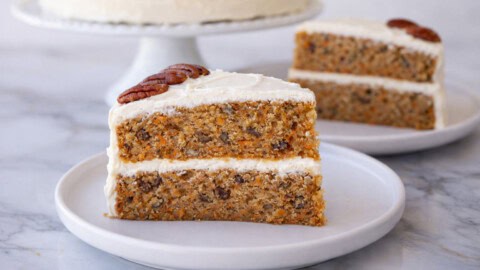
- Carrot Cake – A classic pairing you can’t go wrong with.
- Red Velvet Cupcakes – Rich, tangy, and perfectly balanced.
- Vanilla Cupcakes – Adds a creamy, tangy contrast.
- Carrot Cake Cupcakes – Perfect for piping and decorating.
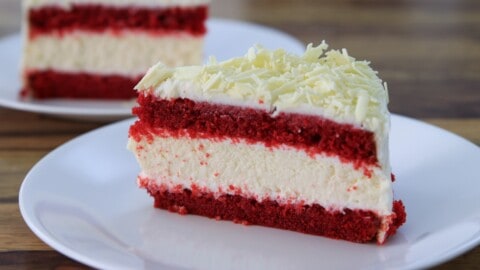
- Red Velvet Cake – Holds well between layers and for light decoration.
- Classic Vanilla Cake – A perfect match, adding a rich, tangy contrast to the soft, sweet vanilla crumb.

How to Make Cream Cheese Frosting
Ingredients
- ½ cup (115 g) Unsalted butter softened
- 8 oz (225 g) Cream cheese room temperature
- 2 cups (240 g) Powdered sugar sifted
- 1 teaspoon vanilla extract
Instructions
- Cream the butter: In a large mixing bowl, beat the softened butter for about 1 minute, until smooth and creamy.
- Add the cream cheese: Add the room temperature cream cheese and beat until fully combined, smooth, and lump-free. Scrape down the sides as needed.
- Incorporate the sugar: Gradually add the powdered sugar, mixing on low speed at first to avoid a mess, then increasing to medium speed until fully incorporated.
- Add vanilla & whip: Add the vanilla extract and beat for another 1–2 minutes, until the frosting is light, fluffy, and silky smooth.
- Adjust if needed: If the frosting feels too soft, refrigerate for 20–30 minutes before using.
- Use as desired: Pipe or spread onto completely cooled cakes or cupcakes.
Video
Notes
- Frosting consistency: If the frosting feels too soft for piping, refrigerate it for 30 minutes to firm up.
- Make ahead: You can prepare this frosting up to 2–3 days in advance. Store it in the fridge and let it sit at room temperature for 15–20 minutes before re-whipping.
- Storage: Store in an airtight container in the refrigerator for up to 4–5 days. Re-whip before using for best texture.
- Freezing: This frosting freezes well for up to 2 months. Thaw overnight in the fridge, then bring to room temperature and re-whip.
- Avoid runny frosting: Make sure both the butter and cream cheese are softened but not warm. Overly soft ingredients can lead to a loose frosting.
-
How to make it more stable: If your frosting is too runny, not firm enough to pipe, or you’re working in a warm environment, there are a few ways to stabilize it:
- Add a few tablespoons of powdered sugar to slightly thicken the texture.
- Chill the frosting for 20–30 minutes before piping.
- Increase the butter by 1–2 tablespoons for a firmer structure.
- Add 1–2 tablespoons of instant pudding mix (vanilla works best) to help stabilize and hold its shape.
Nutrition
FAQs
You sure can! It should keep well in an airtight container for 2-3 months. Hop up to the storage instructions for more details.
If you want a less tangy option, try making cream cheese frosting with mascarpone. It’ll be milkier and slightly softer, but should still pipe well. Alternatively, Neufchatel cheese is good if you prefer a tangy flavor like cream cheese but are trying to cut back on fat and calories.
To thicken cream cheese frosting, the easiest fix is to add more powdered sugar a little at a time until you reach your desired consistency. You can also chill the frosting for 15-20 minutes, which helps it firm up naturally.
Yes, cream cheese frosting should be refrigerated because it contains dairy and can spoil if left out too long. At room temperature, it’s generally safe to sit out for about 2 hours (or closer to 1 hour if your kitchen is warm). After that, it should be returned to the fridge to prevent bacterial growth and keep the frosting stable. If your cake or cupcakes are frosted with cream cheese frosting, it’s best to store them in the refrigerator and only leave them out briefly when serving.
Yes, you can reduce the sugar, but it will affect the texture. Using less powdered sugar gives you a frosting that’s less sweet and more tangy, which many people prefer. However, it will also be softer and slightly less stable.
Yes, you can add a small amount of heavy cream to make the frosting lighter and easier to spread. However, it will also make the frosting softer and less stable, so it’s best used when spreading rather than piping. It works especially well for cakes, as I did in my vanilla cake, where you want a smooth, creamy finish.




This is a solid recipe, and not overly sweet. I don’t like classic buttercream frostings, and this is a great solution. I used this recipe for carrot cake cupcakes.
Thanks again, David.