
Easy Homemade Gravlax (Cured Salmon)
This post may contain affiliate links.
Bring the taste of Scandinavia to your table with my authentic Gravlax recipe. This traditional cured salmon is a staple in many Northern European households, partially due to how easy it is to make. All you need are 6 simple ingredients, about 10 minutes of prep, and a bit of patience!
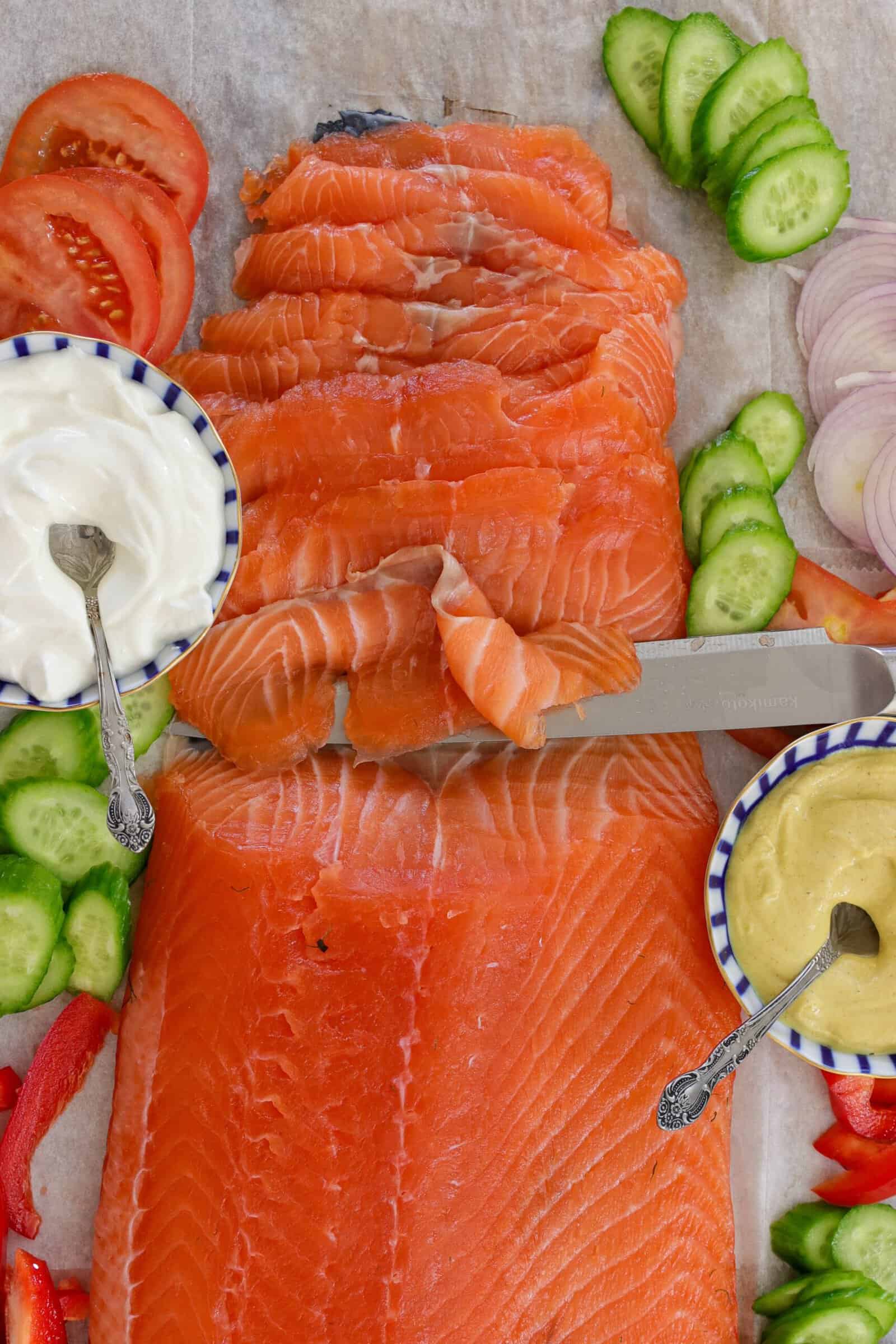
I originally published this recipe in 2019 and have since updated it with new photos, improved instructions, and extra success tips.
If you’ve yet to experience the culinary joy of freshly made salmon gravlax, hold onto your hats. This buttery soft sugar and salt-cured salmon has a texture similar to cold smoked salmon, but with a lighter, brighter, herbier flavor profile that’s divine. Better yet, you don’t need any fancy equipment (like a smoker) to make it. All it takes is a dry brine, a refrigerator, and time.
Ingredients & Substitutions
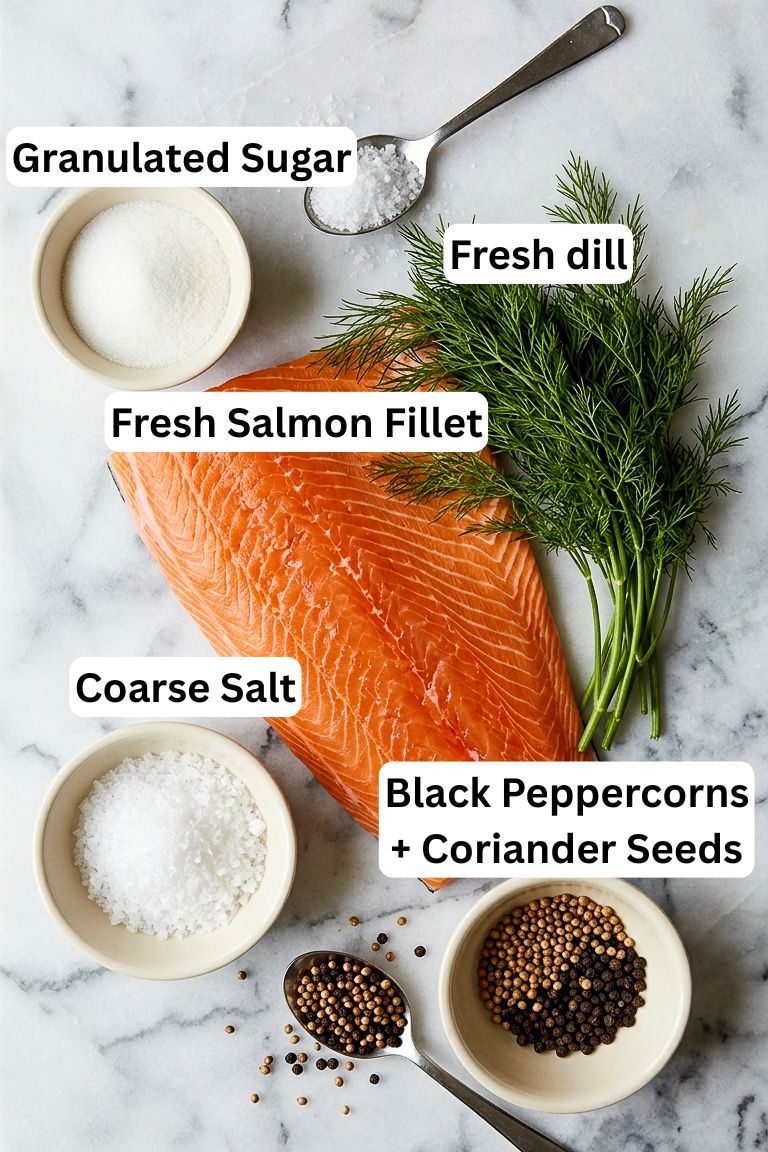
- Fresh Salmon Fillet – If you can get a side of salmon with the skin on, that’s perfect! Make sure to remove the pinbones with tweezers before getting started.
- Coarse Salt – Larger granules of salt dissolve more slowly, which is essential for even seasoning as the salmon cures. It also prevents a rubbery texture, which fine salt can yield.
- Granulated Sugar – Sugar is an excellent preservative, plus it balances the flavor and keeps the cured salmon from being too salty or tangy. Additionally, it helps to counteract the moisture extraction of salt, keeping the gravlax moist and lush. Make sure to stick to neutral white sugar to keep the flavor clean.
- Black Peppercorns – Whole peppercorns give a brighter flavor profile than pre-ground pepper thanks to a larger amount of essential oils. For a milder flavor, swap in white peppercorns.
- Coriander Seeds – Optional, but recommended for a zippier, more citrusy flavor profile.
- Fresh Dill – This classic Scandinavian addition gives a grassy, fresh flavor. Feel free to omit it for a plain cured salmon flavor.
This is just a short review of the ingredients; for the complete recipe, including quantities, scroll down to the recipe card 👇
Gravlax vs. Lox vs. Smoked Salmon: What’s the Difference?
While they look similar on a bagel, gravlax, lox, and smoked salmon are prepared differently:
- Gravlax is raw salmon cured with salt, sugar, and dill, then pressed for 2-3 days—no smoking or cooking involved, giving it a silky texture and fresh, herbaceous flavor.
- Lox is also salt-cured but uses a heavier brine and no sugar or herbs, resulting in a saltier, firmer texture. It’s not smoked either, but it specifically calls for salmon belly and is traditionally brined for months at a time.
- Smoked salmon is brined and then either cold-smoked (which keeps it silky like gravlax) or hot-smoked (which cooks the fish, making it flaky).
Salmon Gravlax Video Recipe
Watch the full video recipe to learn how to make the BEST Home Cured Salmon.
Prefer the written recipe? Scroll down to the recipe box 👇
How to Make Gravlax (Homemade Cured Salmon)
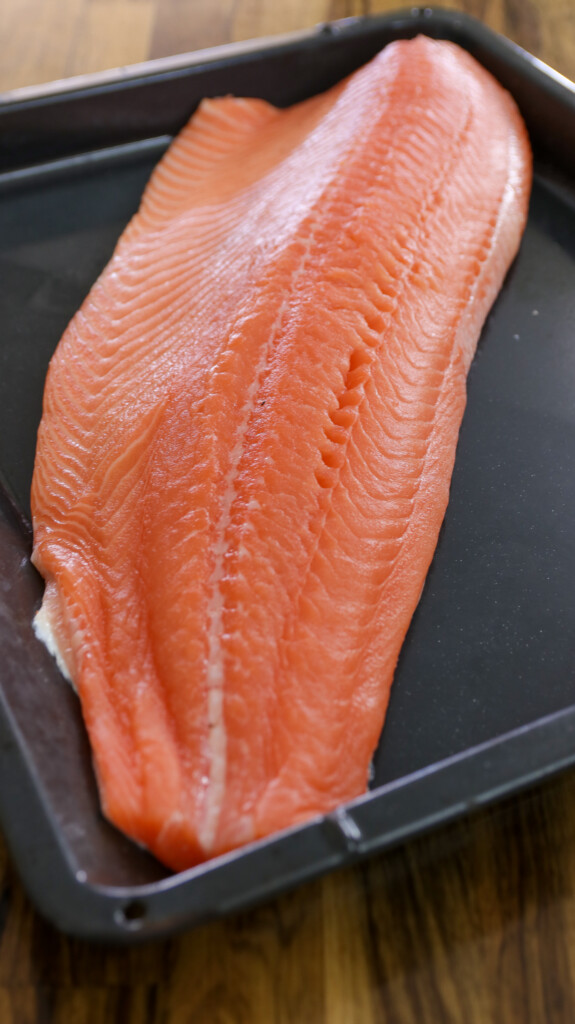
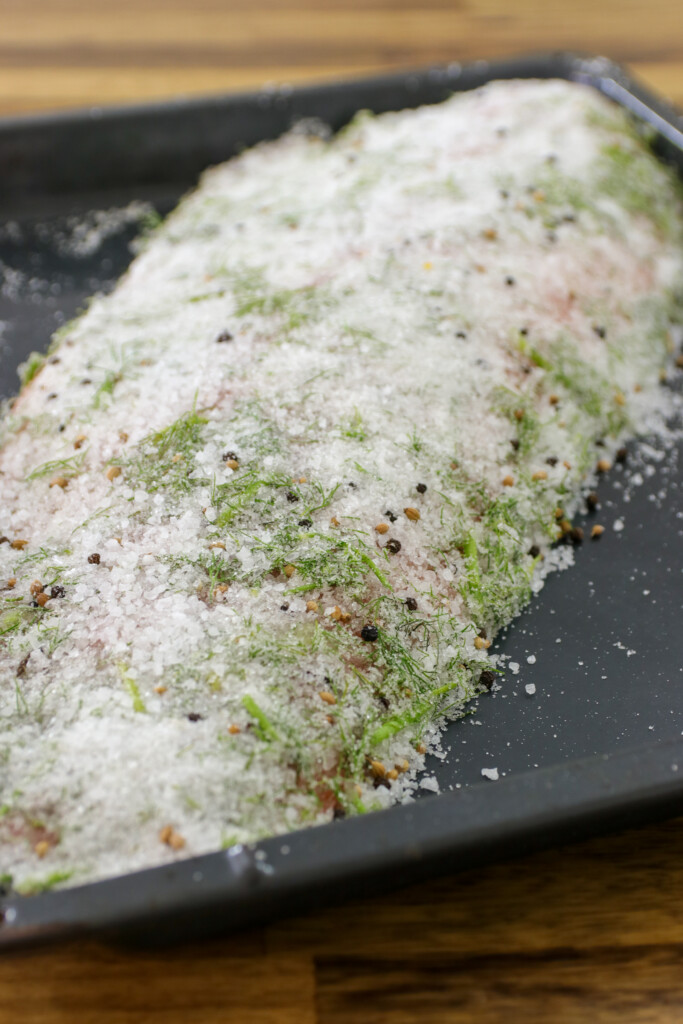
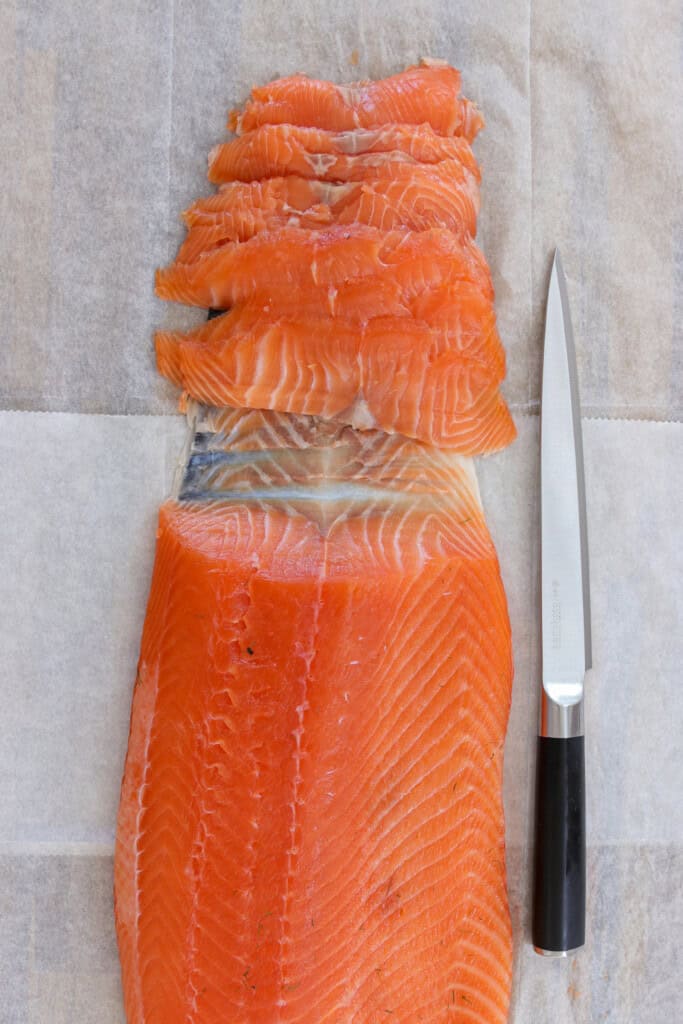
- Prepare the salmon. Remove any pin bones and pat the salmon dry with paper towels.
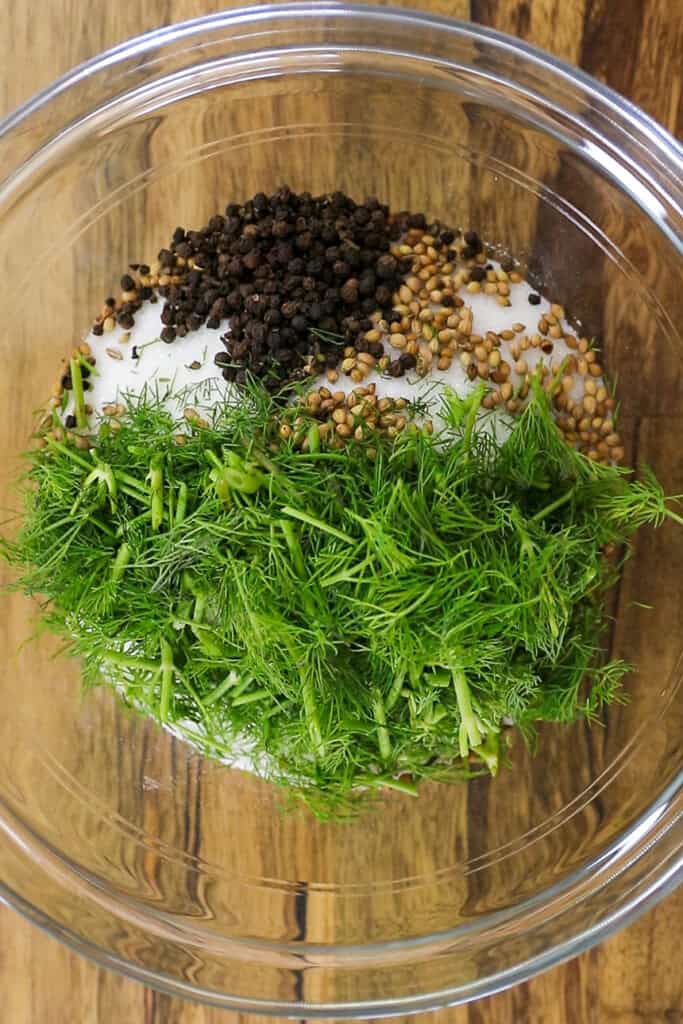
- Make the curing mixture. Combine the salt, sugar, crushed peppercorns, coriander seeds, and chopped dill.
- Coat the fish. Spread the curing mixture evenly over the salmon and wrap it tightly in plastic wrap.
- Weight and refrigerate. Place the wrapped salmon on a tray, add a weight on top, and refrigerate.
- Flip during curing. Turn the salmon once or twice while it cures so the flavors distribute evenly.
- Rinse and dry. Once cured to your liking, rinse off the cure and pat the salmon completely dry.
- Slice and serve. Thinly slice the gravlax against the grain and enjoy on bagels, rye bread, salads, or appetizers.
Optional Variations & Dietary Adaptations
- Citrus Gravlax – Add the zest of 1 lemon, 1 orange, or 1 grapefruit to the cure mixture for a bright, aromatic twist. The citrus oils complement the salmon’s richness without overpowering the delicate flavor.
- Beet Gravlax – Mix 2-3 tablespoons of grated raw beet into the cure for a stunning magenta color and subtle earthy sweetness. This Nordic variation is as beautiful as it is flavorful.
- Gin or Aquavit Gravlax – Drizzle 2-3 tablespoons of gin or aquavit over the salmon before applying the cure. The botanicals add complexity and a hint of juniper that pairs beautifully with dill.
- Spiced Gravlax – Add 1 teaspoon fennel seeds, a pinch of crushed red pepper flakes, or a few juniper berries to the cure for a more aromatic, warming profile.
- Herb Swap – Replace dill with fresh tarragon, cilantro, or a mix of parsley and chives for a completely different flavor direction while keeping the classic curing method intact.
Expert Tips & Tricks
- Choose the freshest salmon possible. Since gravlax is cured, not cooked, quality matters. Look for sushi-grade or previously frozen salmon to minimize any food safety concerns, and buy from a reputable fishmonger.
- Remove all pinbones before curing. Run your fingers along the fillet to find them, then pull them out with fish bone tweezers. It’s much easier to do this before curing than after.
- Use the right salt. Use coarse kosher salt or coarse sea salt. Avoid fine table salt, which can make the salmon overly salty.
- Use a heavy weight for even curing. Place the wrapped salmon on a rimmed baking sheet and top it with a cutting board or plate weighted down with cans or a cast-iron skillet. This presses out moisture and ensures the cure penetrates evenly.
- Flip the salmon daily. Turn the fillet over once a day during the curing process to redistribute the liquid and cure mixture. This promotes even flavor and texture throughout.
- Pat dry before slicing. After curing, rinse off the cure mixture under cold water and pat the salmon completely dry with paper towels. This makes slicing cleaner and prevents excess saltiness.
- Slice thinly on the bias. Use a long, sharp knife (I recommend using a long salmon slicing knife for the cleanest, thinnest slices) and slice at a shallow angle against the grain. Thin slices showcase the silky texture and make the gravlax easier to serve on crackers or bagels.
- Size matters. You can use a smaller piece of salmon if desired, but not too small. I don’t recommend using a fillet smaller than 400 g (14 oz), as very small pieces cure too quickly and can become overly salty and firm. Simply use enough curing mixture to fully cover the fish. Smaller fillets may cure a little faster, so start checking after 10–12 hours.
How Long Should You Cure Gravlax?
The curing time affects both the texture and flavor of your homemade gravlax. A shorter cure produces a softer, more delicate cured salmon, while a longer cure creates a firmer texture and a more concentrated flavor.
- 12 hours (Light Cure): Soft and silky, similar to sashimi.
- 18–24 hours (Medium Cure): My preferred texture, firm but still tender.
- 30–36 hours (Firm Cure): Denser, saltier, and closer in texture to smoked salmon.
For most gravlax recipes, 18–24 hours delivers the best balance of texture, flavor, and moisture.
Choosing the Best Salmon for Gravlax
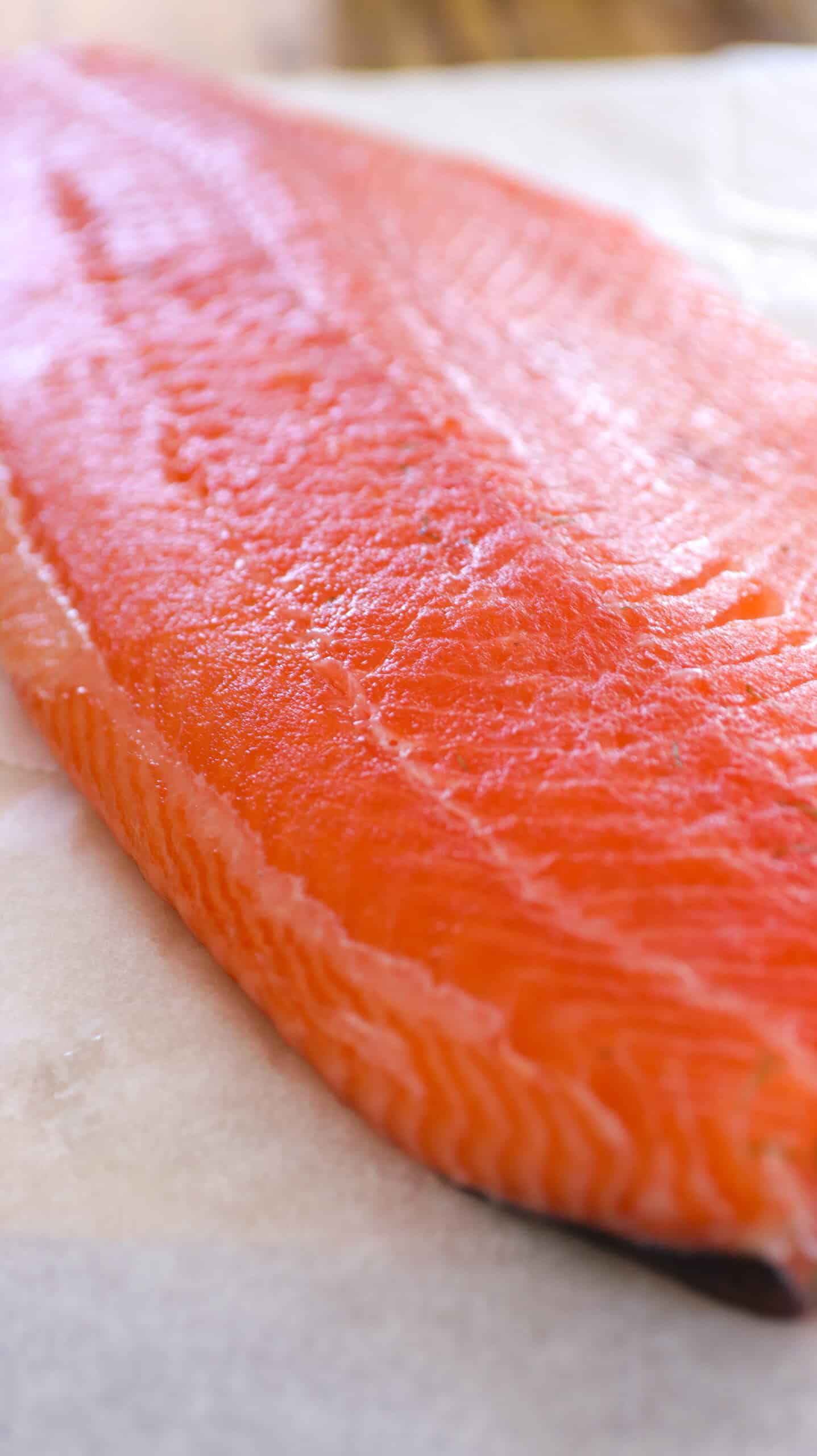
Since gravlax is cured rather than cooked, starting with high-quality salmon is essential. Look for the freshest salmon available from a trusted fishmonger. Many people prefer sushi-grade salmon, though previously frozen salmon is often recommended because freezing helps reduce the risk of parasites. Atlantic salmon, king salmon, and sockeye salmon all work well, though fattier varieties generally produce the most luxurious texture.
Avoid salmon with a strong fishy smell, dull color, or dry-looking flesh, as these are signs the fish is no longer at its best.
Recipes with Gravlax

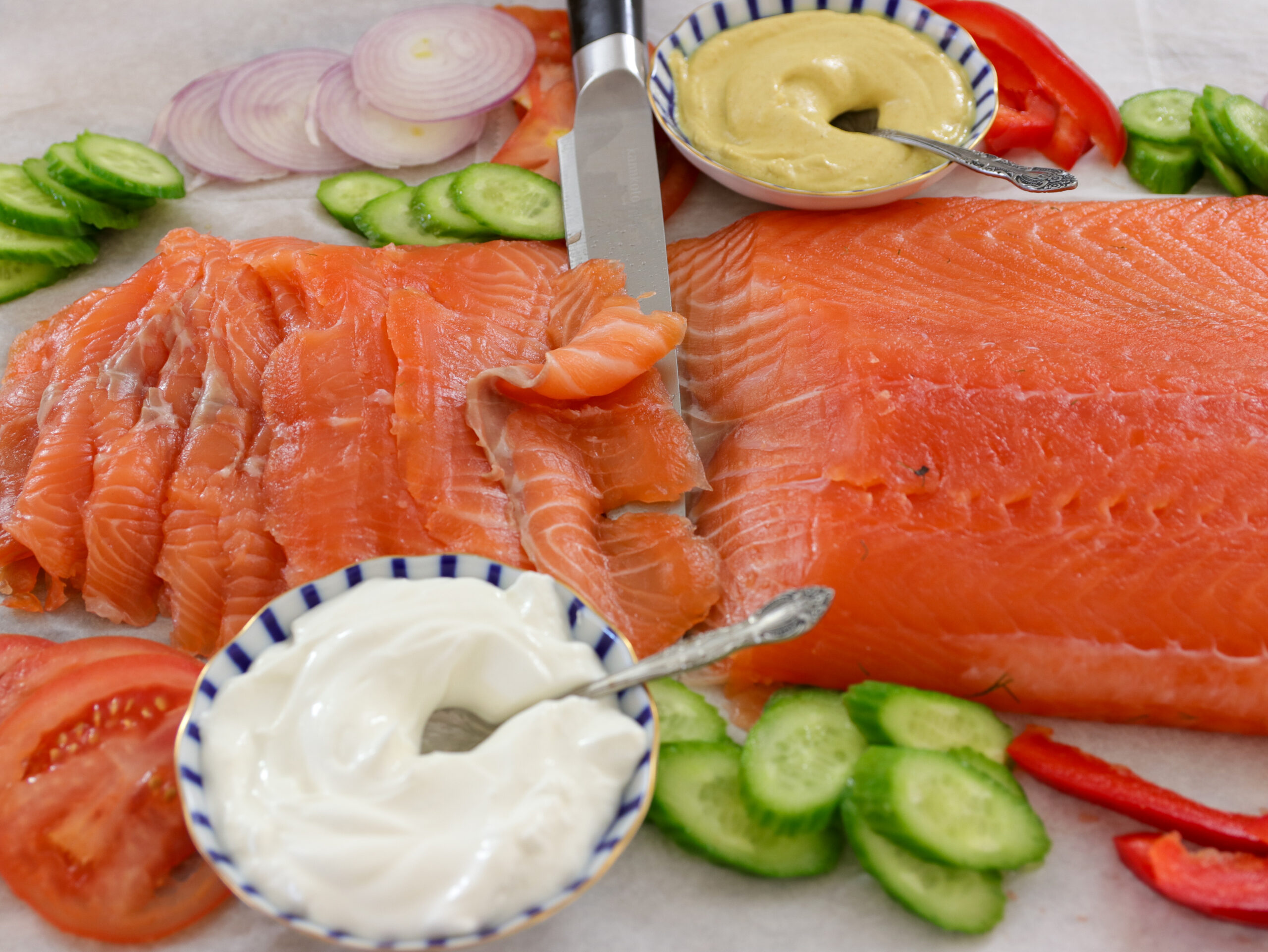
For a classic Scandinavian presentation, serve thinly sliced gravlax on buttered rye bread or crispbread with a dollop of mustard-dill sauce, capers, and thinly sliced red onion. It’s simple, elegant, and one of the most traditional ways to enjoy homemade cured salmon.
Gravlax is also delicious served as a lox-style bagel. Layer it over a classic bagel with cream cheese, capers, cucumber, and red onion for a New York-inspired breakfast. For a higher-protein option, try it on my Cottage Cheese Bagels, or serve it on a Jerusalem Bagel for a unique Middle Eastern twist.
If you’re entertaining, arrange the gravlax on a platter with lemon wedges, cream cheese, capers, fresh dill, pickled onions, and sliced cucumbers. Pair it with Deviled Eggs, Potato Latkes, or a refreshing Creamy Cucumber Salad for an impressive brunch spread. It also works beautifully alongside a slice of Quiche Lorraine.
Beyond breakfast and brunch, gravlax can be added to salads, grain bowls, and poke bowls. Try it in my Smoked Salmon Poke Bowl for a fresh and flavorful meal, or take inspiration from my Tuna Poke Bowl and create your own cured salmon version.
How to Store Homemade Gravlax
- Refrigeration: Wrap the cured salmon tightly in plastic wrap or store in an airtight container in the refrigerator for up to 5 days.
- Freezing: For longer storage, slice the gravlax first, then wrap it well and freeze for up to 2 months. I recommend portioning the slices with pieces of parchment paper. This way, you can remove and thaw only the amount you need while keeping the rest in the freezer.
More Salmon Recipes
Homemade Gravlax (Cured Salmon)
Ingredients
- 4.4 lb (2 kg) Fresh salmon fillet skin-on, pin bones removed
- 1 ¼ cups (250 g) Coarse salt
- 1 ¼ cups (250 g) Sugar
- 1 tablespoon Black peppercorns
- 1 tablespoon Coriander seeds optional but recommended
- ½ cup Fresh dill roughly chopped (see notes)
Instructions
- Prepare the Cure: Lightly crush the peppercorns and coriander seeds using a mortar and pestle or the bottom of a heavy pan. In a bowl, mix the salt, sugar, crushed spices, and chopped dill.
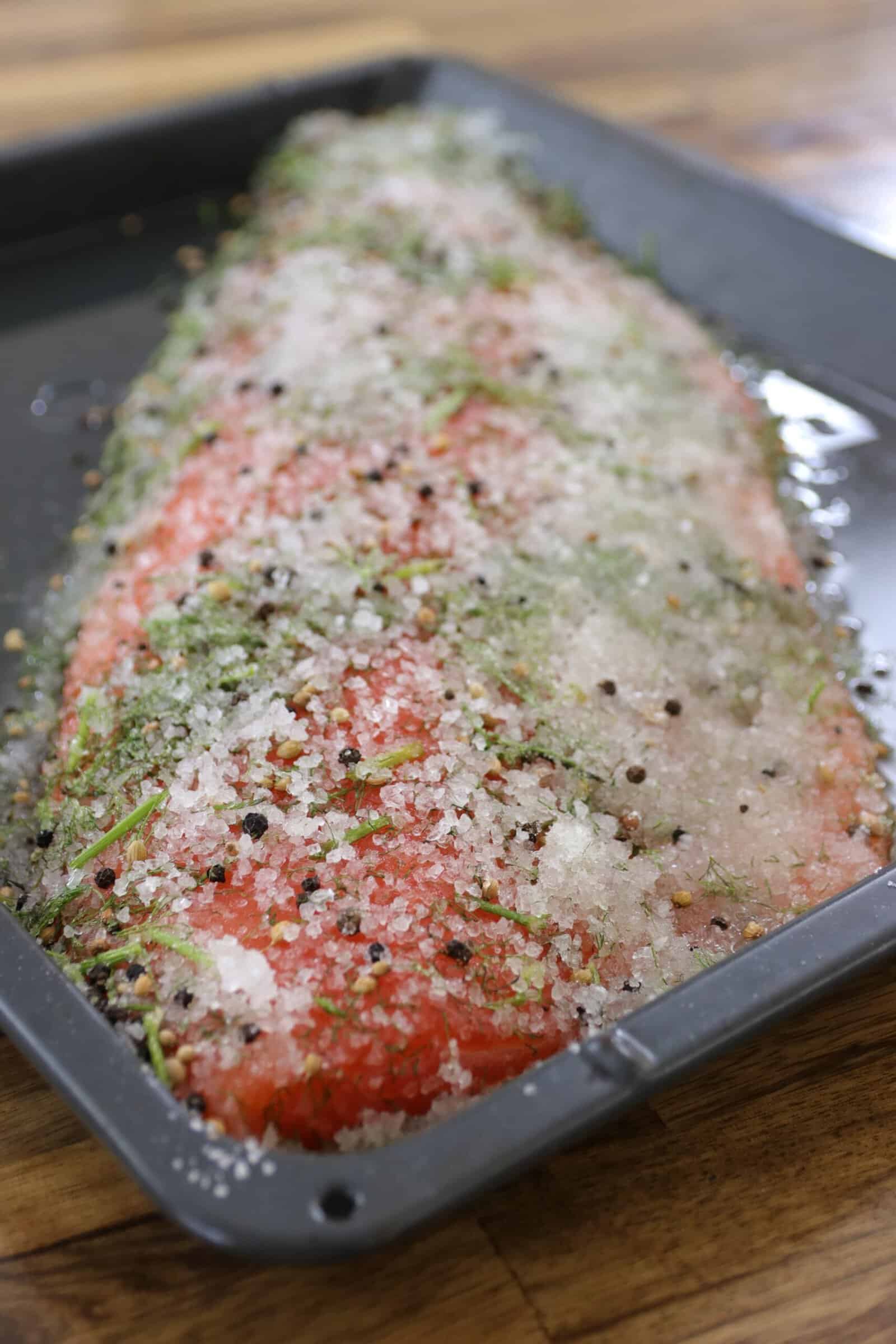
- Cure the Salmon: Place the salmon in a shallow dish or baking tray, skin-side down. Spread the curing mixture evenly over the entire surface of the fish, pressing it gently so it adheres well.
- Cover tightly with plastic wrap. Place a plate or small tray on top and weigh it down lightly with a few cans or a skillet.
- Refrigerate for 12–36 hours, depending on how firm you like the texture (see Notes for a curing time guide). If curing for longer than 12 hours, turn the salmon once halfway through for more even curing.
- Rinse and Dry: Remove the salmon from the dish. Some liquid will have accumulated; this is completely normal.
- Scrape off the curing mixture, rinse the salmon briefly under cold water, and pat very dry with paper towels.
- Slice and Serve: Using a long, sharp knife, slice the salmon very thinly on a slight angle, cutting away from the skin.
- Serve with bagels or rye bread, cream cheese, red onion, capers, and fresh dill.
Video
Notes
- Use the Right Salmon: Because gravlax is cured but not cooked, use the freshest, highest-quality salmon possible. Sushi-grade salmon or commercially frozen salmon that has been thawed is recommended.
- Salt: Use coarse kosher salt or coarse sea salt. Avoid fine table salt, which can make the salmon overly salty.
- Remove Pin Bones: Run your fingers over the fillet and remove any remaining pin bones with kitchen tweezers.
- Curing Time Guide: The longer the salmon cures, the firmer and more intensely flavored it becomes.
- 12 hours (Light Cure): Soft and silky, similar to sashimi.
- 18–24 hours (Medium Cure): My preferred texture, firm but still tender.
- 30–36 hours (Firm Cure): Denser, saltier, and closer in texture to smoked salmon.
- Herbs: I like to add fresh dill because it gives gravlax its classic Scandinavian flavor and a fresh, aromatic taste. You can also use fennel fronds, parsley, or a combination of herbs. If you prefer a cleaner, more traditional cured salmon flavor, you can omit the herbs entirely.
- Optional Flavor Variations: Add finely grated lemon or orange zest, a splash of gin, or a small amount of aquavit to the curing mixture for extra flavor.
- Storage: Wrap the cured salmon tightly in plastic wrap or store in an airtight container in the refrigerator for up to 5 days. For longer storage, slice the gravlax first, then wrap it well and freeze for up to 2 months. This way, you can remove and thaw only the amount you need while keeping the rest in the freezer.
- Portion Size: You can use a smaller piece of salmon if desired. I don’t recommend using a fillet smaller than 400 g (14 oz), as very small pieces cure too quickly and can become overly salty and firm. Simply use enough curing mixture to fully cover the fish. Smaller fillets may cure a little faster, so start checking after 10–12 hours.
Nutrition
FAQs
Gravlax is cured with a mixture of salt, sugar, and herbs (typically dill), giving it a balanced, fresh flavor and silky texture, while lox is cured in a heavy salt brine without sugar or herbs, resulting in a saltier, firmer product. Neither is smoked, but gravlax has a more delicate, herbaceous taste compared to lox’s straightforward saltiness.
Somewhere in the middle. Gravlax is raw salmon that has been cured with salt and sugar, which firms the texture and preserves the fish, but it is not cooked with heat.
Gravlax has a fresher, more delicate flavor than smoked salmon, with herbaceous notes from dill and a balance of salt and sweetness, while smoked salmon has a distinct smoky, richer taste from the smoking process.
Gravlax is traditionally served with mustard-dill sauce, rye bread or crispbread, capers, and red onion, or enjoyed on bagels with cream cheese and cucumber. For more ideas, hop back up to the serving suggestions section!
Gravlax is not cooked, but properly cured. For best results, use high-quality salmon from a reputable source. Many people choose previously frozen or sushi-grade salmon when making homemade gravlax.
Yes! Gravlax freezes surprisingly well. For best results, slice the cured salmon first, then place pieces of parchment paper between the slices and store them in an airtight container or freezer-safe bag. Freeze for up to 2 months. Thaw overnight in the refrigerator before serving. This makes it easy to enjoy homemade gravlax whenever you want without having to thaw the entire batch.







Dear David, thank you for this recipe! Question – if I use only 2 lbs of salmon, do I need to adjust the salt and sugar mixture amount accordingly or it doesn’t matter since most of it will be discarded after curing? Also, would it be ok to use wild salmon instead? Thank you so much!
Hi Julia,
If using 2 lbs of salmon, you can reduce the salt and sugar mixture proportionally. You don’t need to be extremely precise, the most important thing is to have enough mixture to evenly cover the entire piece of fish so it can cure properly.
And yes, you can use wild salmon! Just keep in mind that wild salmon is usually leaner than farmed salmon, so the final gravlax may be slightly firmer and less buttery, but still delicious. Just make sure to use high-quality salmon that’s suitable for curing.
Hope you enjoy it!
Thank you so much for the additional instructions!
I’ve always assumed gravlax was something you had to buy from a specialty shop. The instructions were easy to follow, and the salmon turned out very flavorful, and not overly salty. I cured mine for about 24 hours and served it on bagels with cream cheese, capers, and red onion.
I am going to freeze most of it and use as needed. Thank you.